
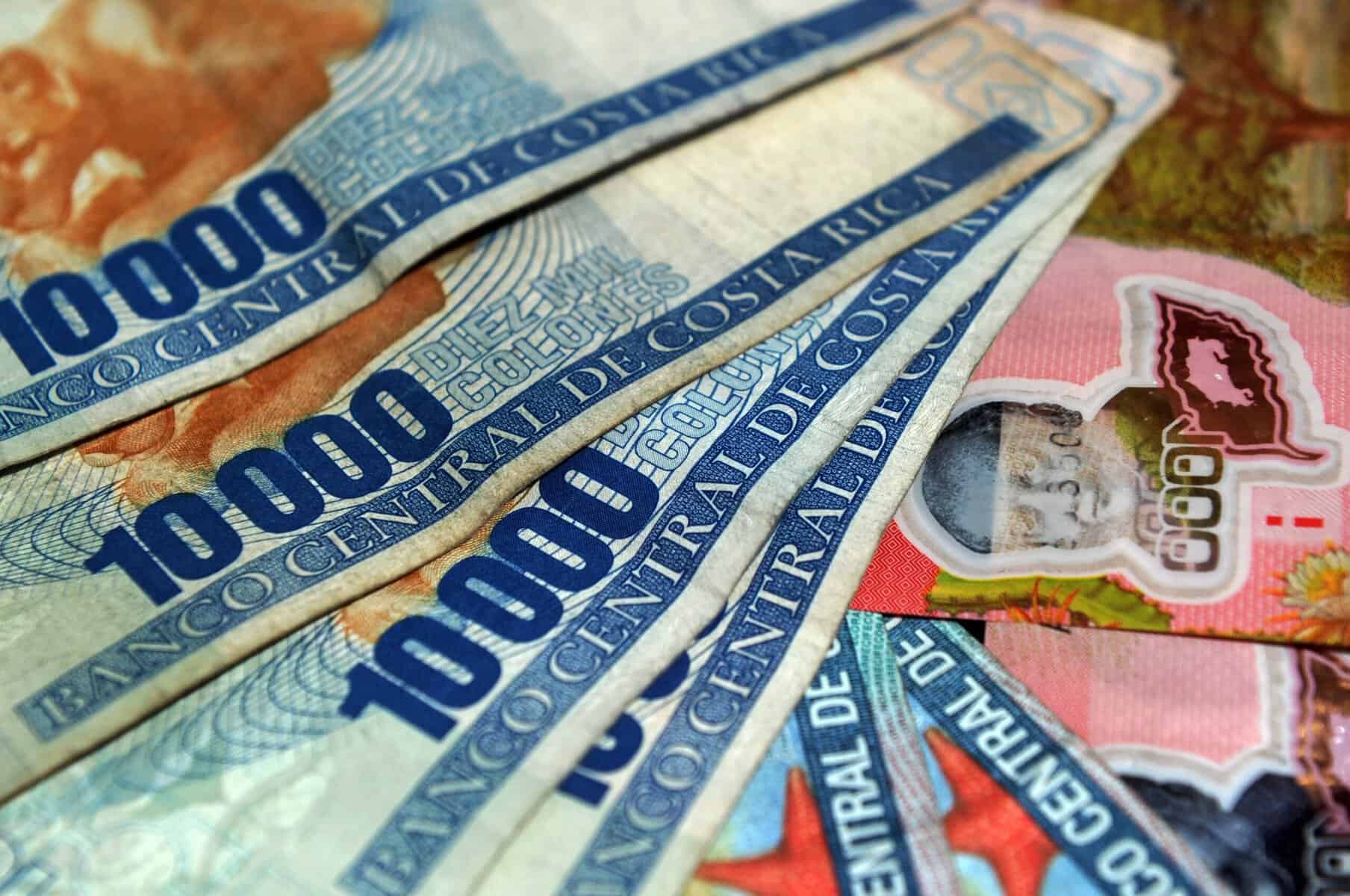
A Guanacaste municipality accepted 29.3 million colones (about $64,600) in cash for a property tax bill after its bank refused to deposit the money. The municipality held the cash until judicial agents seized it, according to internal audit documents. The Municipality of Nandayure, on the Nicoya Peninsula, received the payment on March 4. A man came to the counter to pay a corporation’s property taxes on two properties, covering 2023 through the first quarter of 2026. He paid in bundles made up mostly of 10,000- and 20,000-colón bills. He also handed over copies of his identification, a sworn statement, the company’s legal registration, a trust agreement, a loan contract and a promissory note. Municipal staff tried to deposit the cash at Banco Nacional that same day and again on March 6 at the bank’s Jicaral branch. Each time the bank turned it away and asked for a withdrawal slip or other proof of where the money came from. On the March 6 trip, the cash went by municipal vehicle with no police escort and no transit insurance, the documents show. The money stayed under municipal control until March 10, when agents of the Judicial Investigation Agency (OIJ) seized it. The municipality’s Internal Audit has since sent its documentation to the OIJ, which is working to establish the origin of the funds. According to the audit findings, municipal accountant Xinia María Cambronero and cashier Lilliam Artavia warned that the cash should not be accepted without proof of its origin. Artavia told auditors she asked Mayor Teddy Zúñiga Sánchez directly what to do. She said he told her to accept the money and issue a receipt, and assured her she would not face problems. She described the situation as unprecedented at the municipality. Cambronero said she warned the mayor the bank would likely reject the cash. She said he told staff to accept it because municipal taxes must be honored. The documents also note that the municipality had no security cameras, no permanent security staff and no protocol for handling large cash payments. Zúñiga denied giving a specific order to the finance department or the accountant. In a written response, he described the matter as an institutional consultation for the responsible department to resolve. In other official communications, the mayor said he had asked for more documents, including a withdrawal slip, and that the cash should have stayed in the municipal safe. He argued that the municipality acts as a tax collector, not a financial institution. Zúñiga also said he does not know the people involved and was not part of the receiving process. He said the municipality is cooperating with the investigation and has annulled the 29.3-million-colón receipt, so the tax debt is pending again. The mayor said the judicial case is against an unidentified person and that, as far as he knows, no criminal investigation targets municipal officials. He said the taxpayer may have filed a constitutional appeal but that he had not confirmed it. The Public Prosecutor’s Office said in April that the case was being investigated against an unidentified person and did not involve municipal employees at that stage. That same month, the Comptroller General’s Office closed a separate administrative complaint over the payment because a judicial authority was already handling the matter. The cash payment is one of two matters at the Nandayure municipality now before judicial authorities. On Nov. 4, the OIJ and prosecutors raided the town hall in an unrelated case and detained two officials. One is an inspector surnamed Venegas. The other works in the Maritime-Terrestrial Zone Department, which handles beachfront concessions. The two are suspected of concusión, a crime in which a public official uses the position to demand an improper payment. According to the court file, the inspector allegedly used WhatsApp to ask a resident for 4 million colones (about $8,800) to speed up a land concession process. He allegedly also offered privileged information about other lots in the area. The resident wanted to buy a lot from a third party and did not know it was a concession inside the maritime zone. The events date to June 12, and the case began with the resident’s complaint. The court file points to possible involvement by other officials, who have not been named. The municipality confirmed the detentions and the seizure of files related to the case. It said it is cooperating with judicial authorities, recently made changes in the Maritime-Terrestrial Zone Department, and that procedures for concession holders and applicants will continue as normal. No connection between the two cases has been reported. No one has been charged in either matter. Under Costa Rica’s maritime zone law, the strip of land within 200 meters (656 feet) of the high-tide line is public. The first 50 meters (164 feet) cannot be privately held, and local governments grant concessions on the remaining 150 meters (492 feet). That makes municipal concession offices one of the most consequential public counters along the country’s coast.
Guanacaste Town Hall Took 29 Million Colones in Cash Its Bank Refused
Full Article
Original Source
Read the full article at Ticotimes →KhanList aggregates and links to publicly available news content. We do not host full articles from third-party sources. Always verify important information with original sources.