
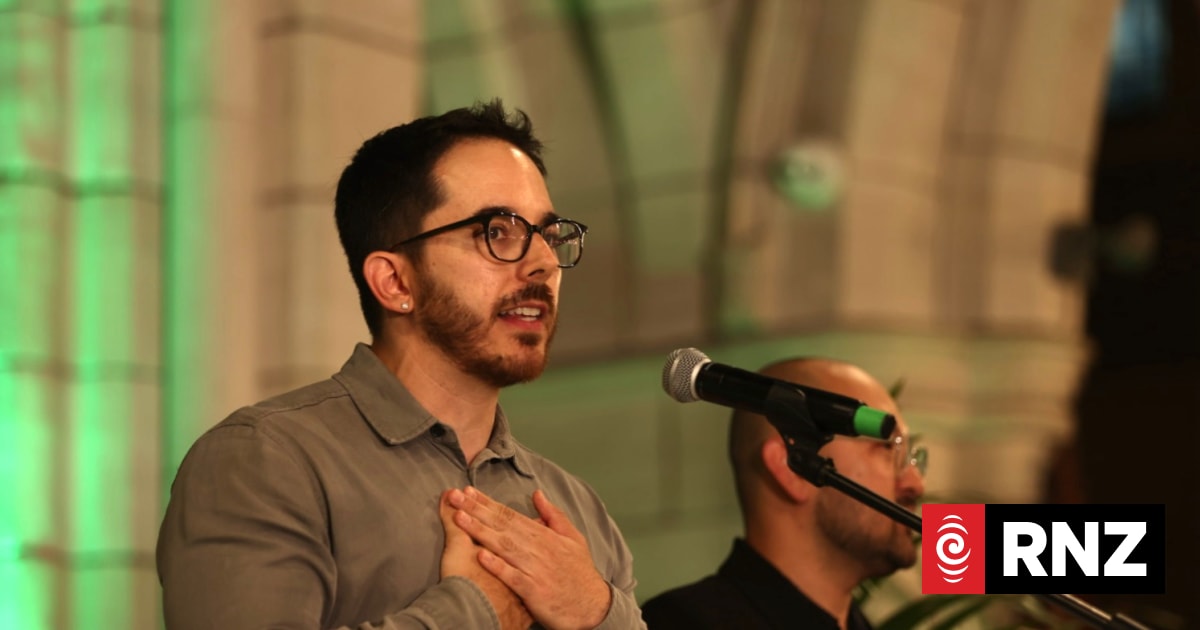
The Greens' are concerned about an immigration rule change which stops parents being granted a residence visa if their child is in New Zealand unlawfully.Green MP Ricardo Menedez March says the change - only announced during the caretaker government period - will be "life ruining for families with disabled children."But Immigration Minister Erica Stanford said the change is about ensuring consistency in immigration outcomes.From November 12, parents can no longer be granted New Zealand residence if their dependent child is living in New Zealand unlawfully.It is a change to Immigration New Zealand's rules it says is designed to prevent situations where parents obtain residence while their child remains in the country without a valid visa.Prior to this change, a parent can be granted residence even if their dependent child is unlawfully in New Zealand.This can happen when a child has been brought to New Zealand on a short-term visa, but is then unable to meet visa requirements for longer term visas, such as the Acceptable Standard of Health (ASH)."Once the parent has residence, the child's unlawful status can be more difficult to resolve," according to Immigration New Zealand."This creates a difficult situation, where different family members have different immigration outcomes."Late last year, a Nelson nurse told RNZ he was living in fear as he tries to stop the deportation of his autistic child.Immigration New Zealand had denied 5-year-old Aidhan Nithin a pathway to live in New Zealand, after finding he was likely to impose significant costs or demands on health and education services.Menendez March, the Greens' immigration spokesperson, told RNZ the rule change would effectively mean parents are prevented from being able to obtain residency and then use legitimate means to be able to regularise their disabled children who, "under the current coalition, have faced additional discrimination to stay in the country."He described those means as the Immigration Protection Tribunal or ministerial interventions, which have been sought in the past to stop deportations.Menendez March said Stanford was creating additional hurdles for disabled children and sends a "chilling message" to all disabled children there is a government that is actively willing to strip people of their rights and their ability to remain with their parents in the country."The reason why people cannot afford a home or access healthcare in this country isn't because of neurodivergent migrant children."It is because of political decisions that have actively starved our public services, and to now put in place policies during the caretaker period that will destroy families' lives is completely immoral, unjustified, and will wreck families' lives."He said Stanford should have sought a public mandate for the changes, and other political parties should have been consulted.The Labour party was also unaware of the changes, with immigration spokesperson Phil Twyford saying his party hadn't been consulted."With the government now in caretaker mode, it's up to them to explain what advice they're working on to not defer these changes until after a government has been formed."Twyford also said Labour was committed to reviewing the Acceptable Standard of Health rules to ensure they are fair and fit for purpose.But Stanford told RNZ the decision was made in October - prior to the election - rather than during the caretaker period.Once the decision was made, the instruction changes needed to be developed and approved by the Minister so the it had only just been released.Stanford said the change to immigration instructions reinforced the expectation that parents are responsible for ensuring that dependent children are in New Zealand lawfully."Where a child is in New Zealand unlawfully a residence application for the rest of the family will not be able to be approved, until the child's immigration status has been resolved."This ensures that the status of all family members is considered holistically and immigration outcomes are consistent."Stanford said it wasn't fair for some family members to be granted residence while a child remains unlawful and with no clear immigration pathway.She explained people would still have the ability to appeal declined resident applications if they believe special circumstances apply.The decision was expected to impact a small number of applications (less than 35 per year), she added.
Greens raise concern about immigration rule change
Full Article
Original Source
Read the full article at Rnz →KhanList aggregates and links to publicly available news content. We do not host full articles from third-party sources. Always verify important information with original sources.