
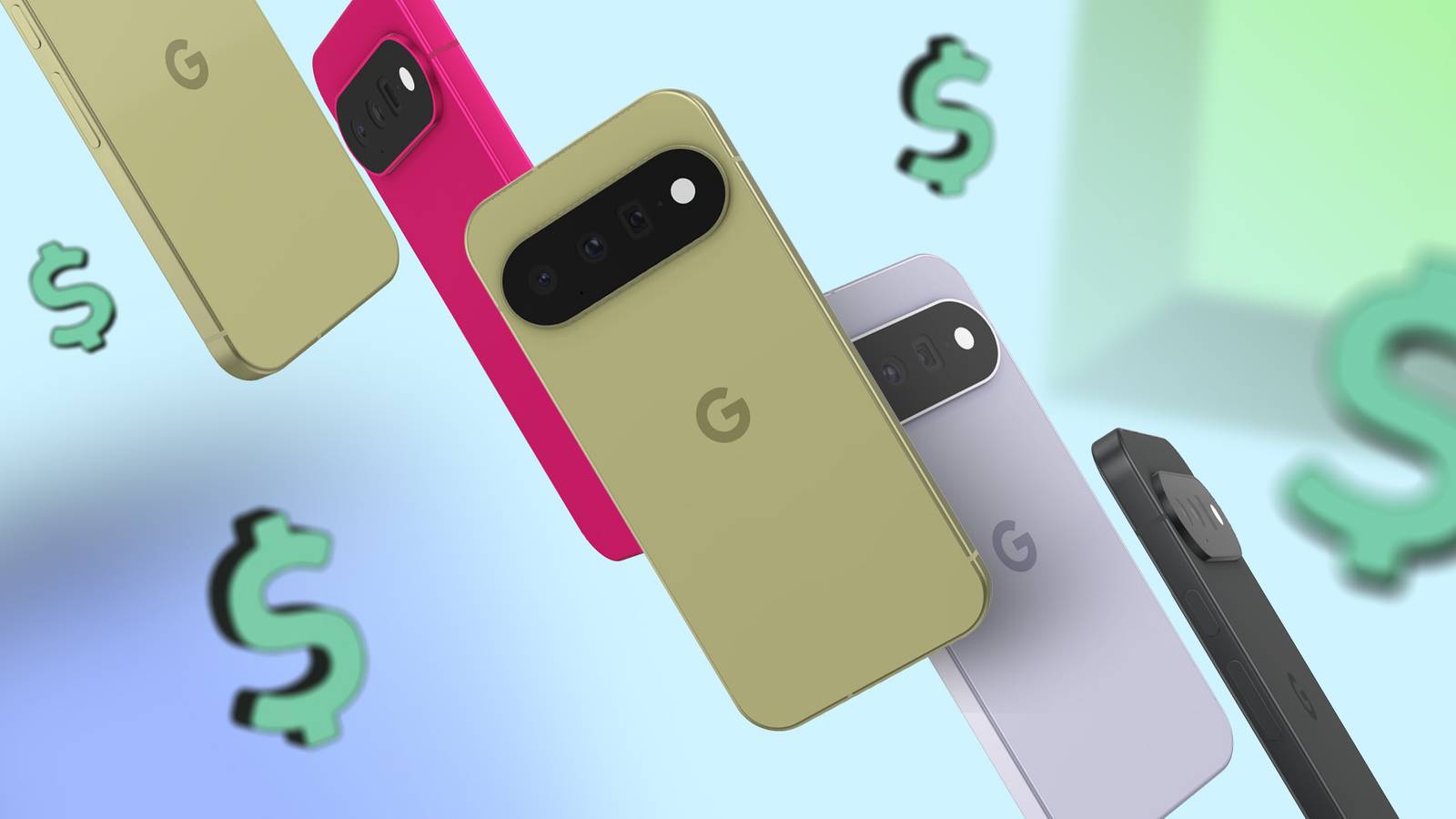
Published Aug 26, 2026, 6:00 AM EDT I’ve been covering Android since 2023, when I joined Android Police, mostly focusing on AI and everything around Pixel and Galaxy phones. I’ve got a bachelor’s in IT with a major in AI, so I naturally view technology differently. I usually take a pro-consumer angle instead of the marketing hype, which you’ve probably noticed in my writing. Google launched the Google Pixel 11 this August at $900, a flat $100 more than the base Pixel 10. Let that number sink in. Android's whole US pitch for almost a decade was that you could get flagship hardware for meaningfully less than Apple charged. A $900 floor for a non-Pro Pixel effectively ends that. Now, half of this comes down to a genuine supply crisis. Companies raise prices all the time. What's rare is being able to raise them across a whole lineup, pass on every dollar, and know full well that nobody's leaving. Blame AI for it; RAM is expensive now Data centers outbid your next phone Credit: Lucas Gouveia / Android Police Building a capable phone has become more expensive over the past year. Reported LPDDR memory prices spiked 250% as suppliers redirected production toward AI data center demand. Google Devices VP Shakil Barkat acknowledged the fallout, saying hardware economics had changed and that pricing would move to match supply chain conditions. When the cost of a gigabyte of RAM more than quadruples, a manufacturer either raises the sticker or guts the spec sheet. Google isn't alone here. Samsung pointed to the same memory shortage in July when it confirmed a $100 increase on its latest foldables. Analysts expect Apple to do the same with the iPhone 18 line. OnePlus's exit was the canary Perhaps they couldn't survive this bill of materials Credit: Canva free use So the cost pressure is industry-wide. The open question is how the cost will be split between the manufacturer and you. The brand that historically forced that question is gone. OnePlus confirmed its exit from the United States and Europe in mid-July as part of parent company Oppo's global restructuring. The timing tells you something. OnePlus built its following on "Never Settle," meaning top-of-the-line specs at aggressively undercut prices. That model probably became structurally uneconomic in a market where components cost what they now cost. Meet the Big Four, your only options in the US The brands that could've competed were never here Credit: Lucas Gouveia / Android Police Let's not overstate what OnePlus's departure removed. Its US share was small, and Samsung and Apple set the American flagship ceiling years before Oppo pulled the plug. But look at who's standing. Counterpoint Research's Q2 2026 numbers show a Big Four of Apple, Samsung, Motorola, and Google holding the retail market. US market segment, Q2 2026 Year-over-year sales change Big Four (Apple, Samsung, Motorola, Google) Combined -4% Others Up to -45% The Big Four dipped 4%. Everyone else fell much harder as smaller manufacturers failed to absorb component inflation. Numbers like that are how alternatives die. And the thing about US Android is that it never had many alternatives to spare. Xiaomi, Oppo, Vivo and Honor were never sold here, and Nothing and TCL hold negligible share. Paying more for a downgrade Every configuration eats the full hundred Credit: Lucas Gouveia / Android Police The base Pixel 11 is $899, and Google got there by putting the 128GB option out of its misery. Call that the silver lining. The rest of the picture is worse. Every model's entry price got the full $100, and the Pro models lost RAM on top. The base 256GB Pixel 11 Pro and Pro XL ship with 12GB, down from 16GB in last year's equivalents. More money and less memory, on phones Google keeps telling you are built for on-device AI. And Google could do all of it because no credible rival was positioned to punish it. Once prices go up, they stay up The ratchet has never once turned back Credit: Lucas Gouveia / Android Police Memory prices are cyclical. Supply catches up, data center buildouts plateau, and the cost of a gigabyte of LPDDR eventually falls back. It would be nice to believe smartphone prices will follow it down, but history says they won't. Smartphone MSRPs behave like a ratchet. So if memory costs ever normalize, expect a spec recovery rather than a price cut. RAM and storage tiers will likely grow more generous again, with the big four banking the difference and marketing the correction as progress. Making peace with the new entry price You can stop waiting for the cheap, uncompromised Android flagship. It's off the roadmap. Component costs supplied the excuse, and a market of four serious brands supplied the freedom to charge you for all of it. The options for a buyer right now are narrow, so let's be honest about them. First is to trade in aggressively. If you'd rather keep a backup phone, you can go midrange with Motorola or Samsung's A-series and take the hit on cameras and support. Finally, you can pay the $900 and stop thinking of it as a markup, because it's the entry price now.
Google's $900 Pixel 11 killed the cheap Android dream we all believed in
Full Article
Original Source
Read the full article at Androidpolice →KhanList aggregates and links to publicly available news content. We do not host full articles from third-party sources. Always verify important information with original sources.