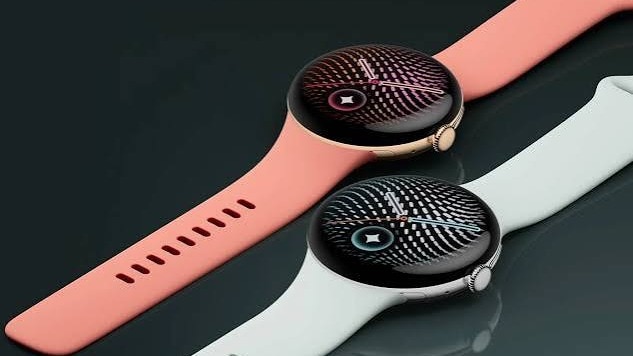
Google has introduced Insulin Resistance Trends on the Pixel Watch 5 to estimate longer-term metabolic changes from wrist-based data. The feature is positioned as an early warning tool rather than a diabetes diagnosis or glucose monitor.Pixel Watch 5 brings a new blood-free way to track insulin resistance trends and metabolic health. (Image cedit: Google Store)Google has added a new health feature to the Pixel Watch 5 that could make it easier to spot changes in metabolic health without drawing blood. Called Insulin Resistance Trends, the feature uses data collected by the smartwatch to estimate whether insulin resistance is moving higher or lower over time. The feature is part of Google's Health Guardian suite and is also coming to the Pixel Watch 3 and later models, as well as Fitbit devices. However, it will not be available on day one. Google says the rollout is planned for September.What is insulin resistance?Insulin is a hormone that helps the body move glucose from the blood into cells, where it can be used for energy. When the body becomes resistant to insulin, it needs to produce more of the hormone to handle the same amount of glucose. Over time, unmanaged insulin resistance can contribute to weight gain and increase the risk of developing Type 2 diabetes. The problem is that it can develop quietly, with many people unaware that their metabolic health is changing. Google says roughly 40 per cent of adults are unaware that these changes are happening, which is why catching longer-term trends could be useful.The feature could be especially relevant for Indians because the country faces a big burden of diabetes and metabolic health problems. The country also has an estimated 77 million adults with Type 2 diabetes, while nearly 25 million are prediabetic, according to WHO. The Pixel Watch feature could offer an early nudge by spotting longer-term changes in metabolic health through everyday signals such as sleep, movement and heart rhythm. It could encourage users to review their diet, activity and sleep before problems become more serious. However, it is a wellness tool, not a diagnostic test. How does Pixel Watch 5 track it?The interesting part is that there is no needle and no direct blood sugar reading involved. Google says the feature analyses multi-week physiological data collected by the wearable and looks for changes in signals linked to metabolic health. These include factors such as heart rhythm, sleep and daily movement.The idea is not to tell you what your blood sugar is after a particular meal. Instead, the watch looks at patterns over time and estimates whether your insulin resistance is trending higher or lower. Google says it validated the underlying algorithm against blood samples and published its findings in a peer-reviewed study in Nature.It is not a replacement for a glucose monitor There is an important distinction here. Pixel Watch 5 is not offering non-invasive blood glucose monitoring. It will not continuously show your blood sugar level like a continuous glucose monitor (CGM), which uses a sensor inserted under the skin. It also cannot diagnose diabetes or confirm that someone has insulin resistance.Instead, Google describes the feature as a kind of early warning system. It needs at least a week of data and looks at trends over a month. If it detects sustained changes suggesting higher insulin resistance, it can nudge the user to pay attention to habits such as nutrition, sleep and physical activity. That makes the feature less about obsessively checking numbers and more about noticing a pattern that might otherwise go unnoticed.The bigger question is how accurately a smartwatch can estimate something as complex as insulin resistance using signals from the wrist. Google has not yet revealed exactly how its optical sensors and algorithms produce the estimate.- EndsPublished By: Ankita GargPublished On: Aug 13, 2026 15:15 IST
Google Pixel Watch 5 can track insulin resistance, alert users at risk of diabetes
Full Article
Original Source
Read the full article at Indiatoday →KhanList aggregates and links to publicly available news content. We do not host full articles from third-party sources. Always verify important information with original sources.