
Published Aug 24, 2026, 8:15 AM EDT Parth is a technology analyst and writer specializing in the comprehensive review and feature exploration of the Android ecosystem. His work focus on productivity apps and flagship devices, particularly Google Pixel and Samsung mobile hardware and software. He provides expert guidance on productivity software, system optimization, and the advanced functionalities that allow users to maximize their device's potential. His analyses are crucial resources for readers seeking to master complex operating system features and streamline their digital workflows. When he is not busy with technical analysis and software evaluation, Parth dedicates his time to watching K-dramas, studying mobile technology trends and the role of artificial intelligence. A new Google Pixel Pro is usually an easy way to get Google's latest hardware without digging into the fine print. That's why I expected the Pixel 11 Pro to be a straightforward upgrade. But one look at the base configuration gave me a reason to hold back. The Pixel 10 Pro started with 16GB of RAM, while the Pixel 11 Pro drops that to 12GB unless I move up to the 512GB version. The Pixel 10 Pro set the right precedent Pro memory for Pro price The Pixel 10 Pro got one thing right. If I were paying Pro money, I'd expect Pro hardware from the start. I didn't have to move up the storage ladder or study the fine print to make sure I was getting the best memory configuration. Even the base model comes with 16GB of RAM, which felt appropriate for a phone carrying the Pro badge and a premium price tag. That matters to me because I don't see RAM as an optional luxury on a flagship anymore. I am paying extra over the standard Pixel because I want more headroom, better longevity, and fewer compromises. Google quietly changed the equation with the Pixel 11 Pro 12GB isn't bad, but that's not the point This is where the Pixel 11 Pro started losing me. Google hasn't removed 16GB of RAM from the lineup entirely, but it has changed who gets it. The base model now starts with 12GB, while I need to step up to the 512GB version to get 16GB again (more on that in a minute). I don't want to pretend that 12GB of RAM suddenly makes the Pixel 11 Pro a slow or incapable phone. For most Android users, 12GB is plenty. Apps will open quickly, multitasking should be fine, and I doubt the average buyer will notice the missing 4GB during normal use. But that isn't really my issue. I am comparing a new Pro flagship against the Pro flagship it replaces. If I am paying premium money for the newer model, I don't expect one of its core specifications to move backward. RAM also feels like the wrong place to cut corners right now. Smartphones are doing more than keeping a few apps alive in the background. Google continues to push Gemini, on-device intelligence, local LLMs, smarter assistant features, and other AI-heavy experiences as major reasons to buy a Pixel. When I am jumping between Gemini, Chrome, Maps, the camera, Gmail, social apps, and editing tools, I would rather have additional memory available than wonder whether Android is becoming more aggressive about clearing apps in the background. The bigger reason I care about 16GB is that I don't buy a flagship based only on what it needs on day one. I think about how that hardware will hold up several years down the road. Android will evolve, apps will get heavier, AI features will become more ambitious, and the workload I put on my phone will increase too. That's why extra RAM is valuable. I see it as headroom. I don't need 512GB of phone storage Thanks to my Samsung SSD Some of you may argue that the solution is simple: Buy the 512GB Pixel 11 Pro and get 16GB of RAM. I could do that, but it would mean paying extra for storage I don't need. I choose the base storage configuration for my phone because it keeps the price down, and I already have a more flexible solution for large files. I carry a 2TB Samsung T7 Shield SSD most of the time, so internal storage matters less to me. If I shoot a bunch of 4K videos or notice my phone getting close to its storage limit, I can plug the SSD into the Pixel's USB-C port, move those files, and free up dozens of gigabytes in minutes. I don't need to keep every large video or download on my phone permanently. That's why the 512GB upgrade feels wasteful in my case. Google made the wrong compromise The Pixel 11 Pro may be the newer phone, but this change makes the base model harder for me to recommend over its predecessor. I don't need 512GB of internal storage, and I don't want to pay extra to get back the 16GB of RAM that came standard on the Pixel 10 Pro. My 2TB SSD already handles large videos and other bulky files whenever I need more space. I can't upgrade RAM later. That's ultimately why I decided to skip the Pixel 11 Pro.
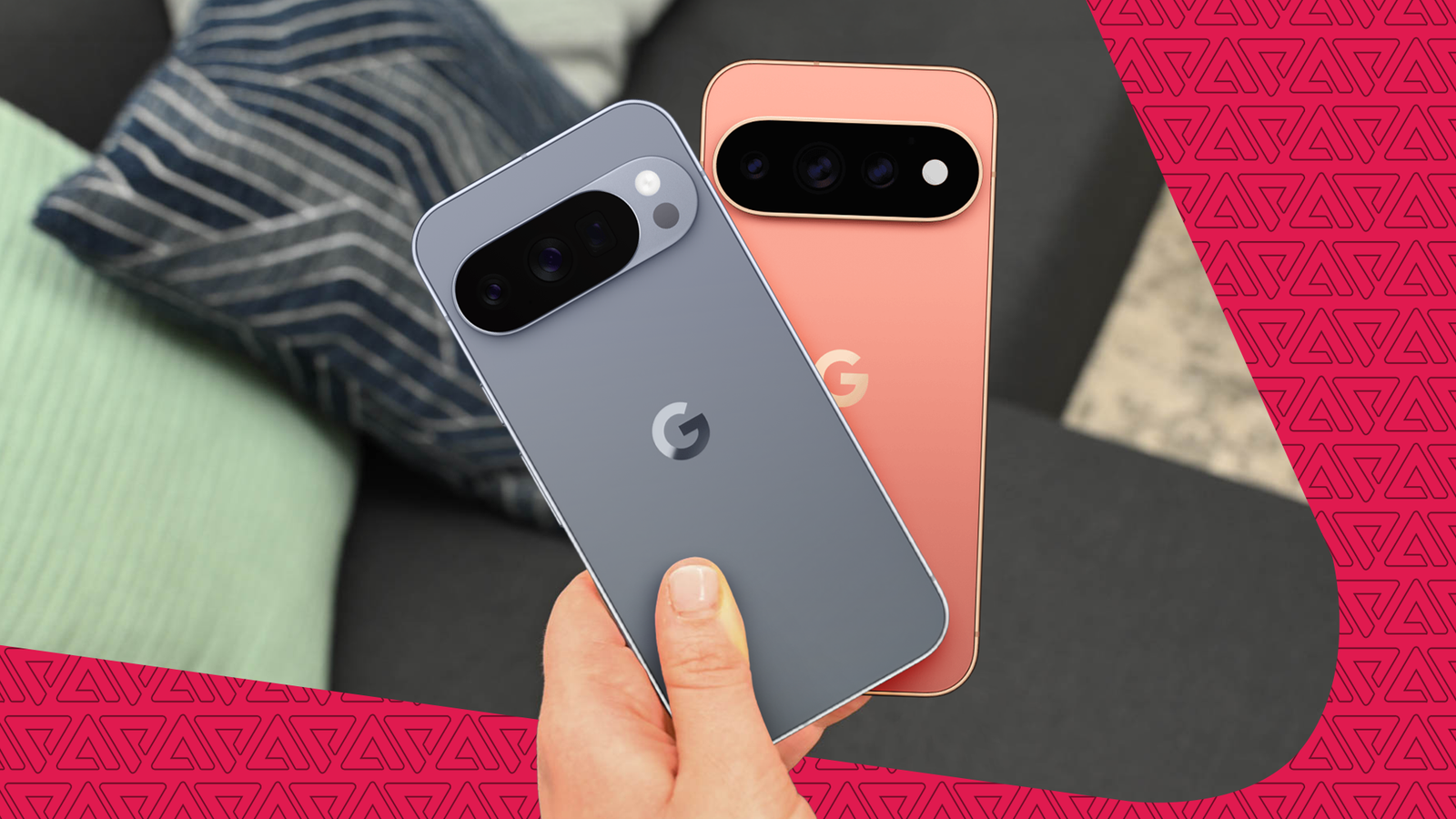
Google Pixel 11 Pro is a major downgrade to Pixel 10 Pro in one key area; that's why I didn't buy it
Full Article
Original Source
Read the full article at Androidpolice →KhanList aggregates and links to publicly available news content. We do not host full articles from third-party sources. Always verify important information with original sources.