
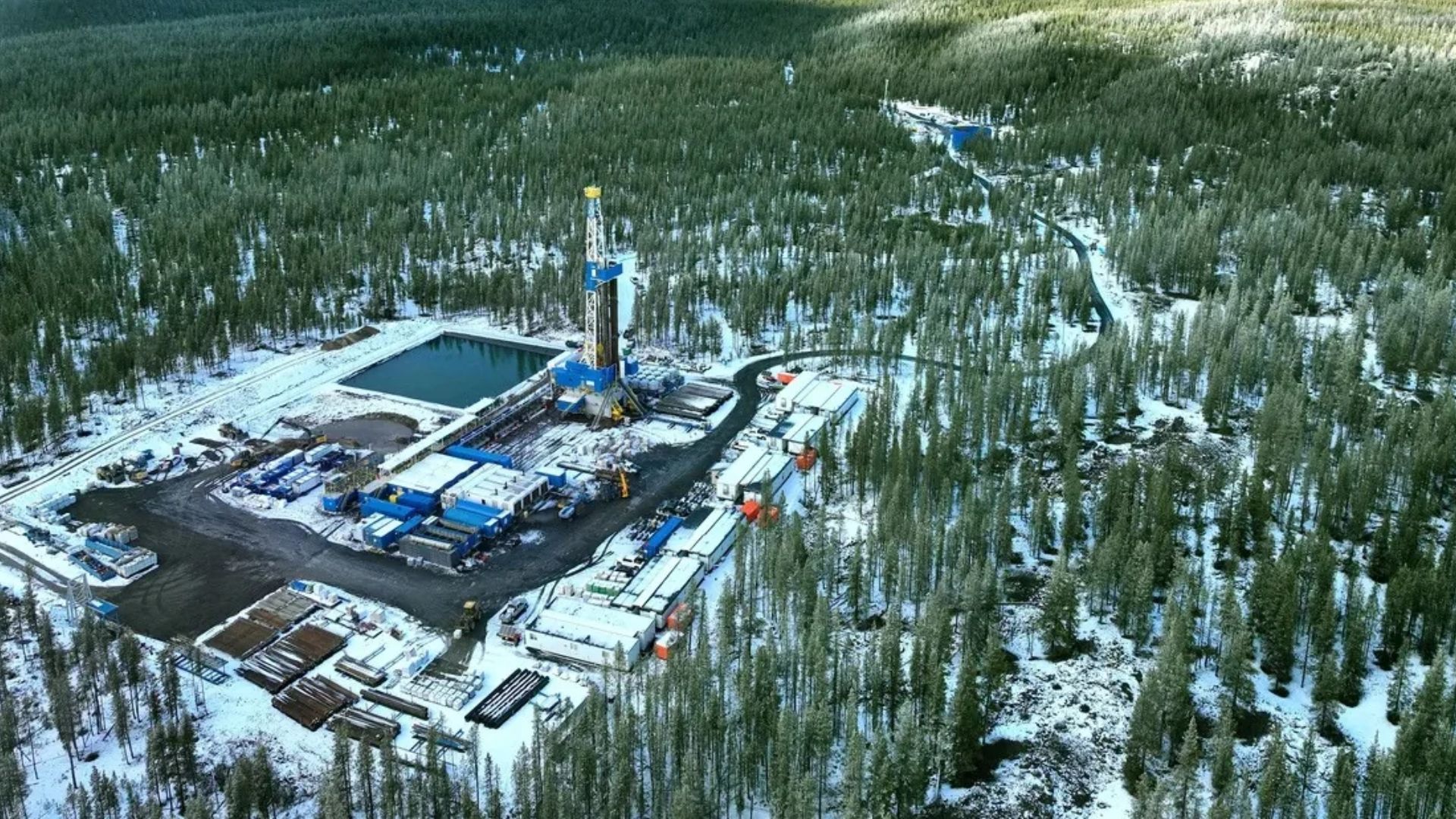
Key TakeawaysThe always-on, carbon-free electricity will power Google’s data center operations in The Dalles, Oregon.Project Obsidian is projected to create 200 to 400 construction jobs.The deal follows Quaise Energy’s $180 million Series B funding round in August 2026. Most geothermal plants merely skim the Earth’s upper crust for scalding water. But now a new alliance aims to unlock the extreme heat buried miles below. Google has signed a power purchase agreement (PPA) with Quaise Energy for 50 megawatts (MW) of superhot geothermal power from Project Obsidian in Central Oregon. As per a recent announcement, it is slated to begin delivery as early as 2030. This round-the-clock, carbon-free electricity will help run Google’s data center operations in The Dalles. It would also feed into the surrounding regional grid. Vaporizing rock to power data centers Typical geothermal plants are restricted to regions with naturally occurring underground water reservoirs below 600°F. Quaise Energy overcomes this geographic limit with Enhanced Geothermal Systems (EGS) that tap extreme subsurface heat, generating up to 10 times more clean power per well. Originating from MIT nuclear fusion research, Quaise’s millimeter-wave drilling uses a vacuum-tube gyrotron to beam high-frequency electromagnetic waves down a borehole. Rather than grinding rock with steel drill bits that melt under extreme heat, the beam vaporizes rock molecules directly while a purge gas clears out the ash. After drilling over 100 meters through granite in Texas field tests, with more trials underway, the company is now taking a step toward commercial power with Project Obsidian. Project Obsidian will launch in two distinct phases, beginning with conventional drilling rigs to tap superhot geothermal conditions at commercial scale. Following that initial rollout, the site will host the world’s first commercial deployment of millimeter-wave drilling, which retrofits existing rigs to vaporize deep basement rock using high-frequency energy. “We started Quaise to make the Earth’s most abundant energy source universally accessible — and this agreement marks a critical next step, not just for Quaise but for the entire clean energy sector,” said Carlos Araque, CEO and President of Quaise Energy. “Together with Google, we are building the commercial foundation for superhot geothermal and cementing the United States as the global leader in geothermal power.” AI power crunch Compared to weather-dependent solar and wind energy, AI data centers require uninterrupted, round-the-clock power. With geothermal currently supplying only a small part of the world’s electricity, this partnership could transform a niche energy source into a reliable grid staple. For Google, the deal accomplishes two goals: securing reliable electricity for its massive computing infrastructure while shielding local ratepayers from grid strain. Across its three Oregon data center campuses, the tech giant already runs on 83% carbon-free energy and directly funds the grid infrastructure its expansion requires. “Google data centers are long-term investments in the communities we call home,” said Lucia Tian, Head of Advanced Energy Technologies at Google. “This collaboration with Quaise on superhot geothermal will help fuel local economic growth while helping to build a more robust and affordable energy future for Oregon.” Momentum behind Quaise has accelerated rapidly after a $180 million Series B funding round closed in August 2026, including a $35 million stake from drilling giant Nabors Industries. Construction at Project Obsidian is projected to support between 200 and 400 jobs, followed by more than 50 permanent roles in engineering and plant operations. Get the latest in engineering, tech, space & science - delivered daily to your inbox.Mrigakshi is a science journalist who enjoys writing about space exploration, biology, and technological innovations. Her work has been featured in well-known publications including Nature India, Supercluster, The Weather Channel and Astronomy magazine. If you have pitches in mind, please do not hesitate to email her.
Google locks in 50 megawatts of superhot geothermal energy in Central Oregon
Full Article
Original Source
Read the full article at Interestingengineering →KhanList aggregates and links to publicly available news content. We do not host full articles from third-party sources. Always verify important information with original sources.