
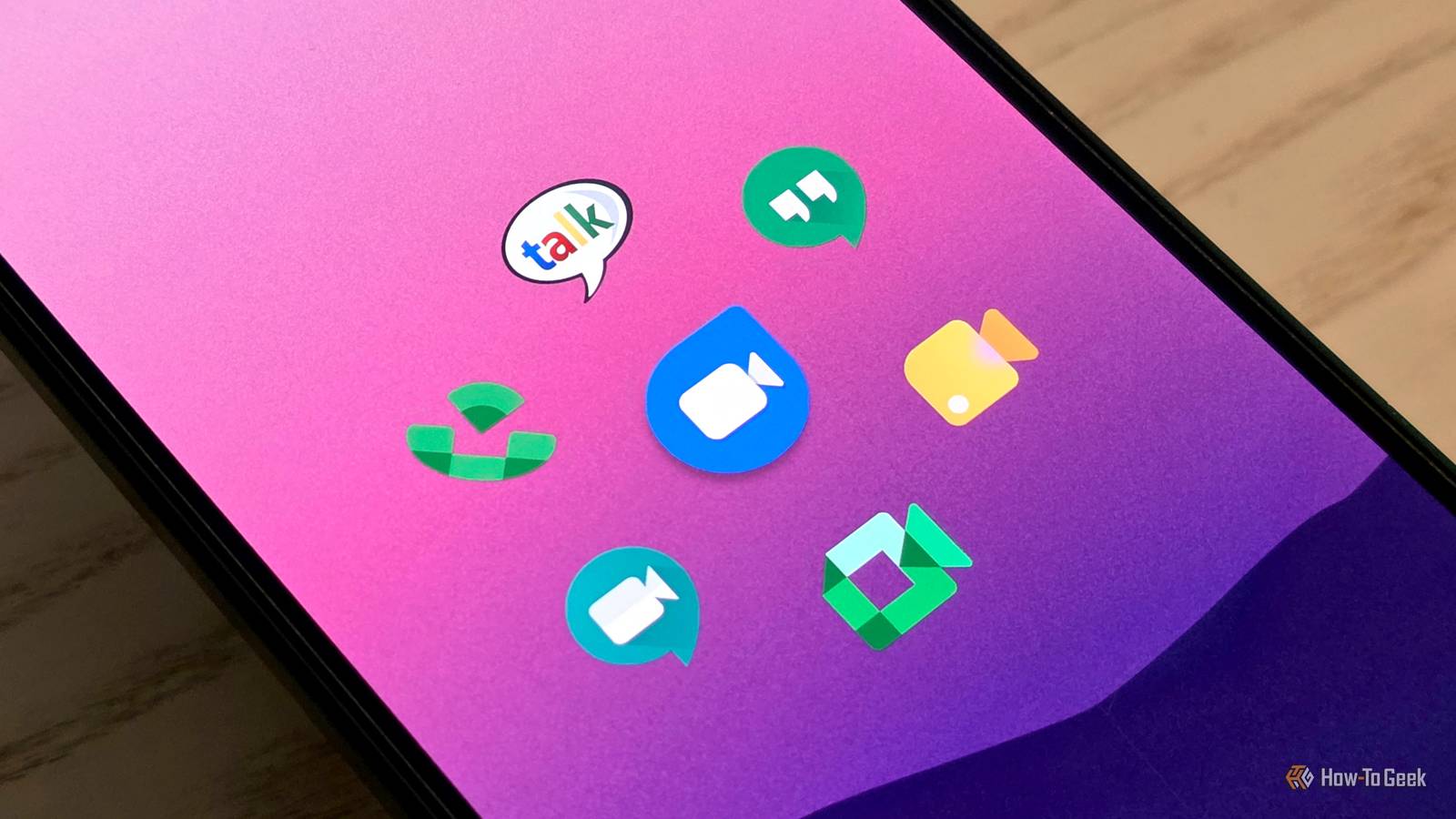
Published Sep 17, 2026, 3:30 PM EDT Joe Fedewa has been writing about technology for over a decade. Android and the rest of the Google ecosystem have been a focus for years, as well as reviewing devices, hosting podcasts, filming videos, and writing tutorials. Joe loves all things technology and is also an avid DIYer and food blogger. He has written thousands of articles, hundreds of tutorials, and dozens of reviews. Before joining How-To Geek, Joe worked at XDA-Developers as Managing Editor and covered news from the Google ecosystem. He got his start in the industry covering Windows Phone on a small blog, and later moved to Phandroid where he covered Android news, reviewed devices, wrote tutorials, created YouTube videos, and hosted a podcast. From smartphones to Bluetooth earbuds to Z-Wave switches, Joe is interested in all kinds of technology. After several years of jailbreaking and heavily modifying an iPod Touch, he moved on to his first smartphone, the HTC DROID Eris. He's been hooked ever since. Despite Google’s many attempts, Android has never had a solid iMessage or FaceTime equivalent. 10 years ago, it made a big play with two apps named Allo and Duo. Only the latter survived into the 2020s, and video calling on Android has never really recovered. If there’s one thing Android fans can agree on, it’s that Google’s approach to messaging has been messy. Most people remember the long list of failed text messaging apps, but it has had just as much luck with video calling. Duo was the company’s best attempt — and it was killed. The Pre-Duo Era Remember Hangouts? Google’s journey with video calling started in 2008 with Gmail. The company added Google Talk to its email service a month after the first Android phone launched. However, Google didn’t offer a video calling app for Android until 2011. That app was Google Talk, which had been included on every Android device since 2008. Not many people actually got a chance to use it, though, since it relied on having the newly released Android 2.3 Gingerbread. In classic Google fashion, it launched a competing product just two months later: Hangouts. To this day, Hangouts is Google’s best attempt at a unified messaging platform. It started as the group video calling part of Google+, the company’s infamous social media flop. Eventually, it replaced Google Talk video calls in Gmail, and later became its own standalone app with text messages and video calling in one. Google fleshed out Hangouts from 2013 to 2016. The Android app gained support for SMS, including the ability to send and receive from a browser. Google Voice was also integrated into Hangouts. Everyone who had a Google account could use Hangouts — it didn’t rely on phone numbers. Duo arrives to fix what isn’t broken And it almost works I was writing about Android back when Hangouts came and went. I remember how much people in the Android community loved it. For the first time, it felt like Google had a genuinely unified approach to messaging. Instant messaging between Google accounts, SMS with desktop sync, and video calling — all in one app. Sadly, Google didn’t feel the same way. At Google I/O 2016, the company announced two new apps: Allo and Duo. It was a two-prong approach to text messaging and video calling (and our first introduction to Google Assistant). Hangouts existed alongside them for a year until it was rebranded and split into two for enterprise customers. Credit: Google Now, Allo turned out to be a bigger failure than Google+ — the company abandoned it only two years after launch. Duo, on the other hand, stuck around much longer. Android’s messaging situation was a mess, but Duo created a much cleaner solution for video calling. Duo could be used with a phone number or a Google account. Contacts who had access to Duo were labeled, making it easy to know who you could call. Duo offered both video and audio-only calls, supported screen sharing and desktop, and it had a nifty feature called “Knock Knock” that showed the caller a live preview before they answered. The app also worked extremely well with low-bandwidth, rating higher than all its competitors. Before Duo, it wasn’t obvious to the average Android user which app they should use for video calling. Google was maintaining Hangouts, Hangouts Meet, Messenger (SMS), Voice, and GChat — none of which were clearly intended for basic video calls. Duo was the FaceTime equivalent Android so desperately needed. Google makes video calling boring again But maybe that’s okay Duo made it all the way until 2022 before Google decided to make a change yet again. It had been rumored that Google was going to fold Duo into Meet for a couple of years, and it finally happened. Duo had established itself as a simple, focused video calling app — all that went out the window with Meet. I mentioned that Hangouts was rebranded and split into two in 2017. Those two apps were Hangouts Chat and Hangouts Meet. For reasons unknown, Google decided to use a consumer-facing brand name for enterprise apps. Hangouts Meet was a Zoom-like video conferencing app for enterprise customers. In 2020, “Hangouts” was dropped, and it became “Google Meet.” It was still a Zoom competitor. Then, in 2022, the aforementioned Duo merger happened. The Duo app became “Google Meet,” and for a comically long time, there were two apps named “Google Meet” in the Play Store. Not complicated at all. Credit: Joe Fedewa / How-To Geek Mercifully, the original enterprise-friendly Google Meet app was removed in 2024. Since then, all of Google’s video calling and conferencing is contained within the Meet app. It has Duo’s one-on-one video calling features and Zoom-like conference calling. The situation is pretty clear-cut now. If you want to do anything video call-related through Google, Meet is the app to open. It’s simple, but it also feels like Google gave up. Duo was a fresh, fun approach to video calls. Meet technically works, but it has all the pizzaz of Zoom — and no one wants to use Zoom to make personal calls. In the end, boring is better than complicated. I would have preferred to keep Duo around for video calls and Meet for conferencing, but Google had other ideas. Hopefully, we don’t have another shake-up on the horizon.
Google killed Duo, and Android video calling has never really recovered
Full Article
Original Source
Read the full article at Howtogeek →KhanList aggregates and links to publicly available news content. We do not host full articles from third-party sources. Always verify important information with original sources.