
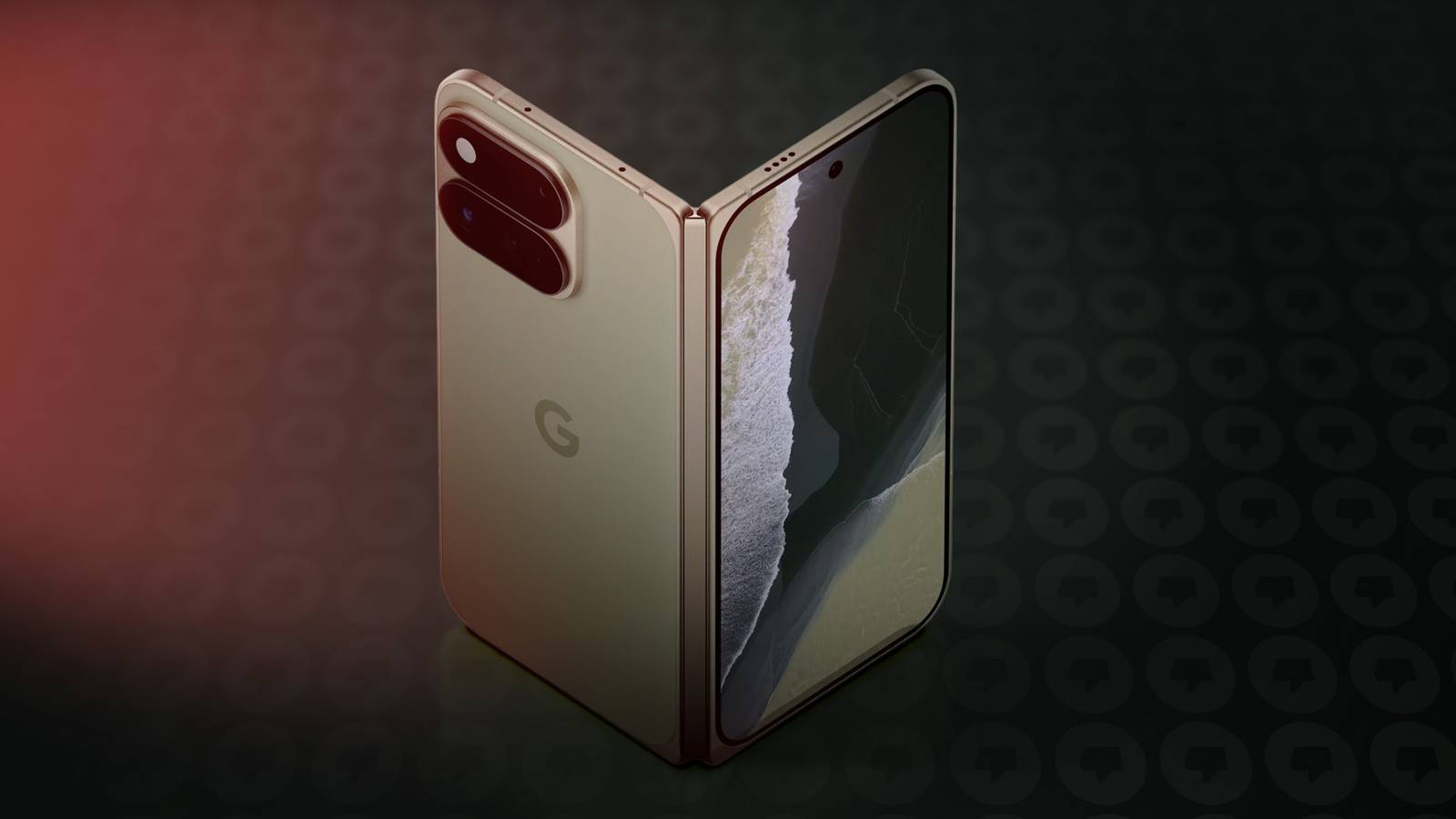
Published Aug 27, 2026, 7:00 AM EDT Jade Bryan is a Feature Author at Android Police with over a decade of tech reviews and news reporting experience, stretching back to the Symbian era and the early days of Android. He covers the breadth of the mobile industry, specializing in operating system deep-dives, app testing, and hardware analysis. In his spare time, you can find him tinkering with his Android devices and wearables, seeking ways tech can improve daily life. He also enjoys playing MMORPGs, traveling, or feeding stray cats and dogs. Samsung's Galaxy Z Fold 8 series launched last month, introducing the new base Galaxy Z Fold 8, which has become more popular than the Ultra model. Its new form factor is the main reason it has been winning over buyers, and after a quick hands-on in a store, I can see why people are switching. Google followed suit with the Pixel 11 Pro Fold launch this month. It's a fantastic device. But coming from a Galaxy Fold and currently owning Flip and Pixel phones, I found this year's Pixel 11 Pro Fold less exciting than earlier generations. It's essentially a minor change with a few sensible upgrades. That's not automatically a bad thing. Plenty of companies can relate. The real problem is that Google hasn't addressed the old frustrations with its foldable phones. And with Google having been in the foldable game long enough, I worry about its future if it keeps using the same formula. Samsung is pulling ahead But Google is still closing the gaps I used the Galaxy Z Fold 5 for a long stretch, and it felt like a phenomenal foldable. Compared to this year's Fold 8, the differences are meaningful across the board. Upgrading from the latest generation brings a more durable build, a thinner design, a larger camera sensor, a larger battery, and much more mature foldable software. These are the kinds of improvements you expect when a company knows how to make a solid foldable. The Pixel 11 Pro Fold is competent. It's thinner and lighter than before, has a higher ingress protection rating, and the Tensor G6 SoC is a step-up in power. But it still feels like Google avoided the harder problems. It could have used this generation to address the fundamental flaws in its foldable devices, but it chose not to. As a result, the Pixel 11 Pro Fold is less impactful than earlier Pixel Folds. Is the Pixel 11 Pro Fold really sturdier? Lab tests suggest otherwise The Pixel 11 Pro Fold brings what might be Google's least inspiring year-over-year update. It keeps the same basic look introduced with the Pixel 9 Pro Fold, adds a larger main camera sensor, a more efficient chip, and faster wireless charging. All of that is fine. But none of it feels decisive, especially considering where foldables were two or three years ago. While Google doesn't need to reinvent the exterior every year, genuine improvements in overall durability remain a sticking point. In contrast, Samsung has steadily reinforced its hardware over the years, but Google is still playing catch-up. Google claims the Pixel 11 Pro Fold is sturdier than ever, but official lab stress tests tell a different story. The standardized EU energy and durability label assigns the Pixel 11 Pro Fold the same drop rating as its predecessor, despite the switch to supposedly tougher ceramic glass. YouTuber JerryRigEverything also put the new Pixel Fold through extreme durability testing, and the frame failed in the same structural weak spots as the previous models. While these bend tests don't mirror real-life use, that is no excuse when Samsung and OnePlus have overcome these foldable flaws. The 2023 OnePlus Open survived the same test, as did the thinner Galaxy Z Fold 8 Ultra, leaving Google no excuse to fail the assignment. Spending $1,900 becomes a hard sell when you know the risks baked into the hardware. No real display innovations Where is the stylus support? Credit: Lucas Gouveia / Android Police | Motorola I was a huge fan of the S Pen on my Z Fold 5, as it was handy for jotting down quick notes or sketching ideas when inspiration struck. The stylus support made the foldable feel like a legitimate tablet replacement. When Samsung dropped S Pen support on the Fold 7 for a thinner and lighter chassis, I was disappointed. That decision gave Google the perfect opening to add a killer productivity feature to the Pixel 11 Fold. Instead, it settled for a slightly brighter panel and little else, while competitors like the Motorola Razr Fold packed both a slim design and full stylus capabilities. If the Pixel 11 Pro Fold were significantly thinner and lighter than either of those phones, the lack of stylus support would be easier to forgive. This leaves no genuine breakthrough in the Pixel 11 Pro Fold's display, and that's a hard sell if you're paying the same premium as the competition with a better offering. Battery life is moving in the wrong direction It actually took a step backward in 2026 Battery life was one of the major complaints I had with my old Galaxy Fold. I was glad when both the Pixel 9 Pro Fold and 10 Pro Fold arrived with steady battery improvements. They packed larger batteries to offset their expansive inner displays and overheating chipset. With the Pixel 11 Pro Fold, Google trimmed the battery capacity down to around 4,800mAh from 5,000mAh. Raw battery numbers don't always tell the full story, but in this case, the smaller cell puts the Pixel 11 Pro Fold at about 45 hours on official EU battery tests. In contrast, that's down from the 48 hours of last year's generation. It also trails behind the Galaxy Z Fold 8 Ultra and Motorola Razr Fold, which exceed 51 and 59 hours, respectively. Google has had plenty of generations since the original Pixel Fold to nail down battery longevity, yet it chose to take a step backward on its latest flagship. Google needs to improve the software, too A better foldable UI is long overdue After several hardware generations, Google still has not fully figured out what makes a folding phone compelling and optimized for everyday power users. While Google has gradually improved Android for large screens, it still lacks the polish and versatility Samsung baked into One UI. Split-screen and customizations in the Pixel Launcher remain limited, and there is a lot of screen estate wasted, far from the utilitarian experience I had on Samsung's Galaxy foldables. The inner screen is not the only area that needs attention. Google also needs to refine the outer display experience. The experience is less seamless than it should be. Plus, useful flex and tabletop features, such as a dedicated touchpad mode and broader app scaling compatibility, are still missing. Using the Pixel 11 Pro Fold means you're stuck with the same interface as the slab Pixel counterpart except for the smaller touches. Google's foldable priorities are entirely backward Software limitations are only part of the problem. Google needs to stop focusing on spec bumps. Rather, it needs to get the fundamentals right, including folding durability, battery consistency, and actual display breakthroughs. Google doesn't need to bring a copy of Samsung's wide foldable or slap on an exorbitantly massive camera hump to stay relevant. It needs to make the Pixel Fold feel solid, reliable, and finished. Until that happens, recommending or buying the Pixel 11 Pro Fold remains difficult. Google Pixel 11 Pro Fold Brand Google SoC Google Tensor G6 Battery 4750 mAh Ports USB-C 3.2 Operating System Android 17 Dimensions 6.1 in (height) x 3.0 in (width) x 0.4 in (depth) folded; 6.1 in (height) x 5.9 in (width) x 0.2 in (depth) unfolded The Pixel 11 Pro Fold is Google's latest flagship foldable. Order one today.
Google doesn't need to beat the Galaxy Fold 8; I just want it to fix the Pixel Fold
Full Article
Original Source
Read the full article at Androidpolice →KhanList aggregates and links to publicly available news content. We do not host full articles from third-party sources. Always verify important information with original sources.