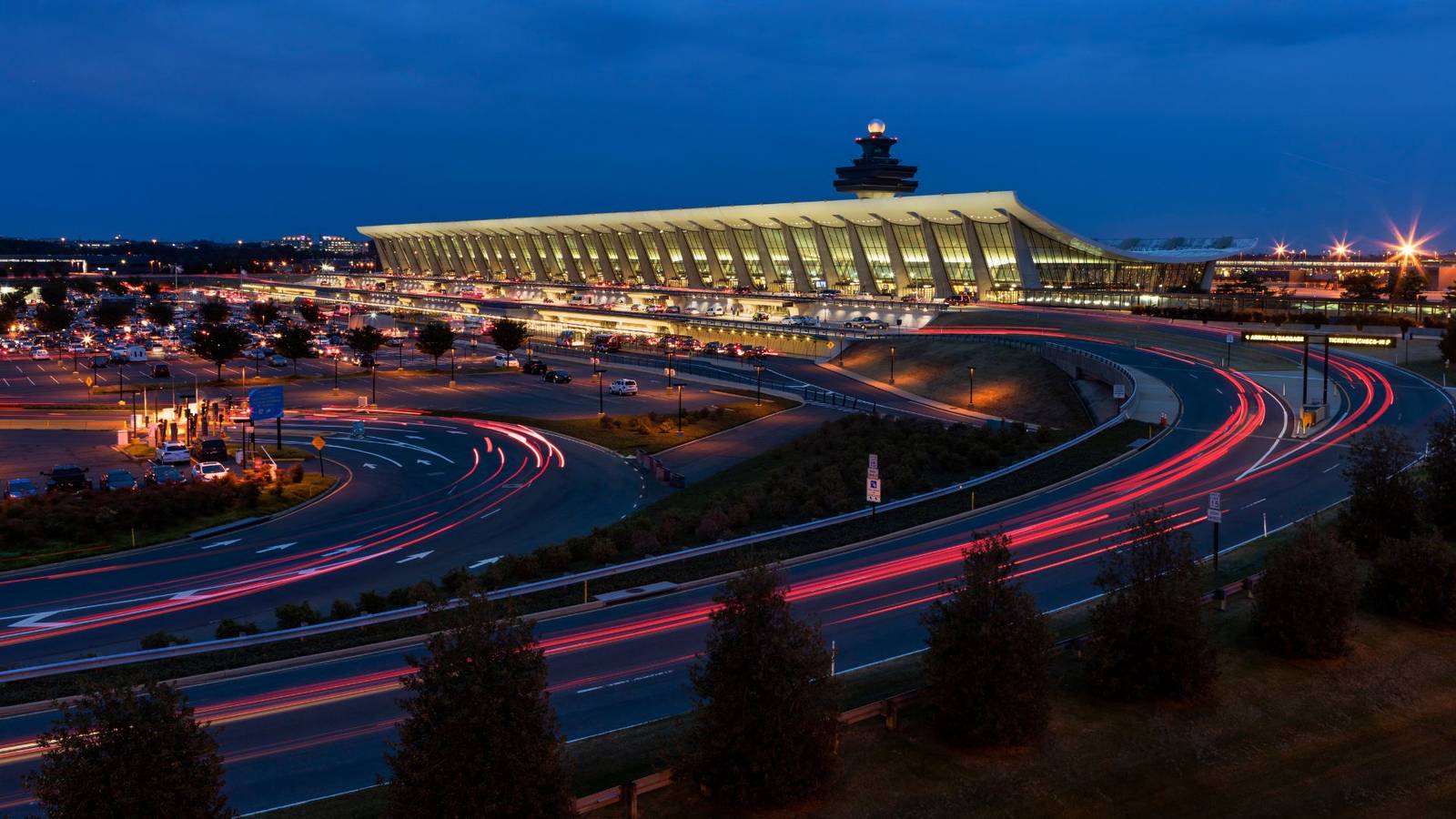
Credit: Shutterstock Published Jul 30, 2026, 3:49 PM EDT Jack comes to Simple Flying with a lifelong interest in all things aviation. He holds a degree in Aerospace Engineering from Georgia Tech, and is a certified private and remote pilot. Beyond these experiences, Jack previously worked for a corporate flight department where he gained first-hand experience in the world of business aviation. Currently, Jack works in the professional services industry and continues to build his flight hours outside of work. Sign in to your Simple Flying account Washington Dulles International Airport (IAD) is set for a sweeping $22.5 billion modernization that will eliminate its iconic mobile lounges, replace aging concourses, and fundamentally change how passengers move through one of the Washington region's busiest airports. Announced on July 29, the project will introduce a new U-shaped passenger train, a central pedestrian tunnel, additional moving walkways, new terminal facilities, and a 32,000-space parking garage closer to the main terminal. Construction could begin in spring 2027. The transformation comes as Dulles handles approximately 29 million passengers annually and serves as a major international hub for United Airlines. The project is expected to be financed through airport-generated revenue, municipal bonds, and contributions from airlines rather than direct federal funding. United and other carriers operating at the airport have agreed to participate in financing the redevelopment, reflecting the commercial importance of improving Dulles' capacity and passenger experience. Dulles Is Finally Moving Beyond The Mobile Lounges The most visible change will be the retirement of Dulles' mobile lounges, or people-movers. The unusual bus-like vehicles have transported passengers between the main terminal and aircraft facilities for decades. The system was conceived as an extension of the terminal itself, allowing travelers to board directly from elevated vehicles before dedicated midfield concourses and automated transportation systems became the preferred solution at major airports. Dulles has already reduced its reliance on the lounges through the AeroTrain system, which opened in 2010 and connects the main terminal with several concourses. However, some passengers still encounter mobile lounges when traveling through areas that lack conventional rail access. The new redevelopment is intended to remove that remaining dependency. New Rail And Walkways Will Replace The Old System Credit: Shutterstock The airport transformation plan centers on making the airport easier to navigate without requiring passengers to board a mobile vehicle. A new U-shaped passenger train will provide transportation across the expanded terminal complex, while a central pedestrian tunnel and additional moving walkways will give travelers more direct alternatives between facilities. The changes address one of Dulles' longstanding passenger complaints: the distance between the main terminal and its midfield concourses. President Donald Trump emphasized the goal to make IAD a world-class destination during the announcement, while officials noted that the redevelopment is intended to create a more efficient passenger experience. “We’re doing something with Dulles that’s going to make it the top anywhere in the world.” The project also includes new concourses and major terminal renovations. The existing Saarinen-designed main terminal will remain, preserving the building that has become one of the most recognizable structures in American airport architecture. The focus instead is on replacing or rebuilding facilities surrounding it. United Stands To Gain From A Larger Dulles Hub The redevelopment has significant implications for United, which operates Dulles as one of its seven domestic hubs. United has been expanding its Washington operation and has an interest in improving the airport's ability to handle additional passengers and flights. The airline's participation in financing the project reflects the expectation that better infrastructure can support future growth. Airport officials said airlines and the Metropolitan Washington Airports Authority will fund the modernization through airport-generated resources and airline contributions. The project does not currently require federal funding, although officials have not ruled out potential passenger or taxpayer costs for certain elements of the broader redevelopment. Importantly, the plan does not include additional runways. Its emphasis is on terminal capacity, passenger traffic, and replacing infrastructure that is inadequate for an airport handling tens of millions of travelers. For passengers, the most noticeable change will be the end of an airport experience that has remained unusual long after similar systems disappeared elsewhere. For United, the larger prize is a modernized hub capable of supporting future network growth. If construction begins as planned in 2027, Dulles will enter one of the most consequential redevelopment periods in its history, replacing its most distinctive transportation feature while building an airport designed around the demands of the next generation of international travel.
Goodbye Mobile Lounges: Here Comes Washington Dulles’ $20+ Billion Revival
Full Article
Original Source
Read the full article at Simpleflying →KhanList aggregates and links to publicly available news content. We do not host full articles from third-party sources. Always verify important information with original sources.