
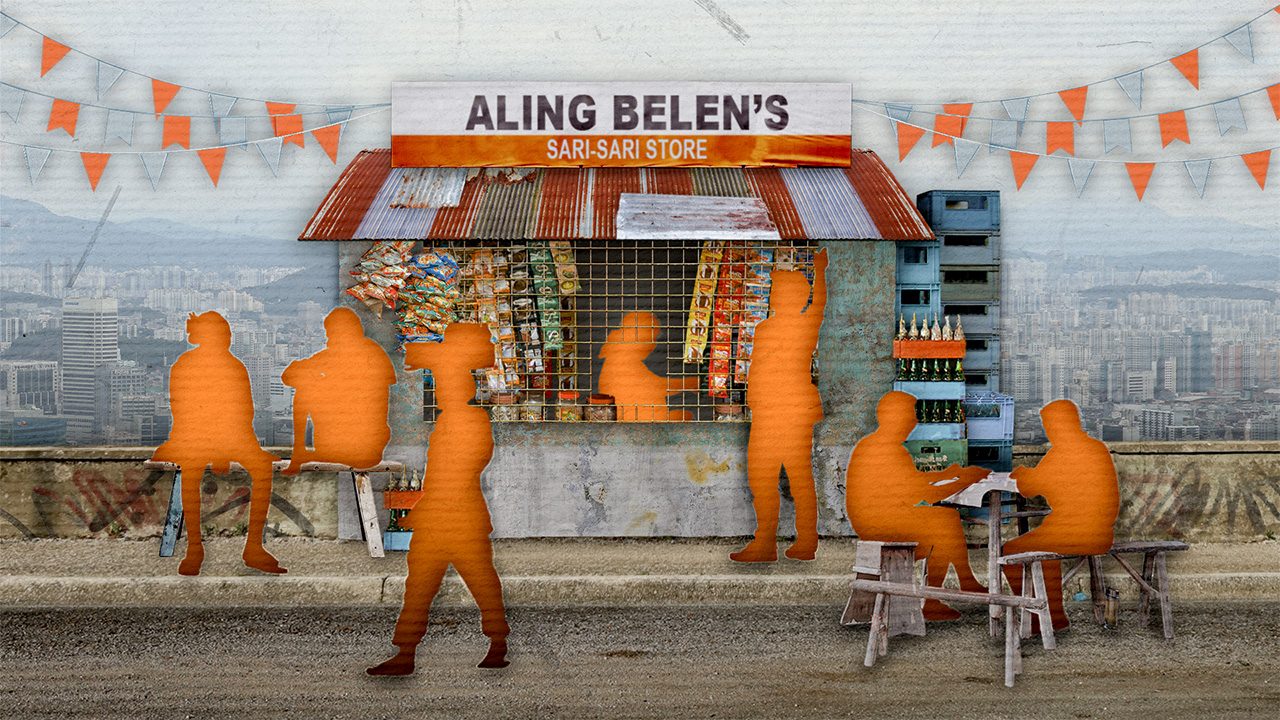
Sari-sari stores are far from a perfect model but it is a lifeboat that the country relies on amid rising oil prices and political instability Your childhood was incomplete had you not been asked to buy a thing or two from your local sari-sari (small neighborhood convenience) store. Be it as simple as patis (fish sauce) or toyo (soy sauce) to complete today’s ulam (viand), or even a sachet of detergent to finish one’s laundry, these tried and tested local stores have been a staple in the lives of Filipinos. My exposure to the business model has been quite in-depth, at least for the past couple months, as a budding category manager for an FMCG (Fast-Moving Consumer Goods). Not often is it pointed out that 1.3 million of these shopping points are scattered across the archipelago–withstanding the aggressive expansion of giant hypermarket chains and an ever-evolving retail trade landscape. There’s a Pinoy adage that goes “Huwag i-smallin” or not to belittle something and I would care to argue that it applies to how we see these stores each day. From a consumer goods perspective, one cannot hope to grow their business in the Philippines if they do not crack the route-to-market (RTM) recipe for sari-sari stores. These local shops help provide proximitized availability of the goods we so-carefully craft inside boardrooms to be within arms reach of the shoppers. Setting aside FMCG nomenclature, one cannot help but see how innately Filipino this system translates into trade. Every now and then–and just so my manager reads it as firm proof of my diligence–I would go around our village, even outside to nearby neighborhoods checking on how our products fair in different channels. This practice of trade visits is a staple within the category development and sales industry in general as it allows us to see the realities, keeping our strategizing grounded especially in dire times such as now. It goes without saying that realizations also came into play as I went on these occasional rounds. “Isang tawid lang kasi.” (It’s just a short distance to the store.) I recall a casual conversation with a more senior shopper in our village as she justified her preference of buying from their sari-sari store. Just when I thought her story was finished, she came closer, clutching her Good Morning towel and whispered “Tsaka puwede kang umutang.” (Plus, you can buy on credit.) It all seems stereotypical but the simple truth one can derive from this testament is the importance of credit in this business model. Palista, utang muna, (List it, buying on credit) or whatever term may be affixed to this extension of credit is undoubtedly a crucial advantage of sari-sari stores among other channels. What’s striking, at the very least, is how both shoppers and shop owners see that these local credit lines allow a “lifeline” of sorts. For shop owners, the act of pautang (lending) is a necessity. “Ito na rin pakikisama namin. Kapag hindi ka nagpautang, hindi na sila babalik.” (This is how we get along with others. If you don’t let them buy on credit, they won’t return.) A rather profound statement that proves how extending credit is a unique value proposition for sari-sari store owners in retaining shopper loyalty. Nonetheless, one can also interpret that this crucial tactic is not merely an “always on promo” but a compassionate gesture. Bullseye on the mention of the word pakikisama (getting along) as this solidifies that, at the onset, entrepreneurial thinking and humanistic insights go hand-in-hand. At the very least, we can surmise that kapwa (shared humanity) is not undermined by kita (profit) but is actually driven by the former. On the other side of the coin, we look at how shoppers rely on the palista (credit list) system. Now, more than ever, when “isang kahig, isang tuka” (hand to mouth existence) is not just a dramatic line for jesting but a harsh truth lived by the majority of Filipinos is the importance of surviving everyday. By allowing shoppers to accrue their payables, sari-sari stores provide an extension for hardworking Pinoys to make ends meet until the next payday. Harsh truths Sure, boundaries are often set. More often than not do we hear horror stories of customers over-extending their credit yet the system of trust is undoubtedly integral to sustain this rather unique model. Pakikipagkapwa, as more formally referred to, banks heavily on the concept of seeing things in the perspective of others which conversely allows Filipinos to know their boundaries, albeit even in their sari-sari store transactions. Simply put, we know up to what extent we may lend a hand to our neighbors and we know our limits in accepting such help—hiya (shame) acting as a sort of internal moral compass. Sari-sari stores are far from a perfect model but it is a lifeboat that the country relies on amid rising oil prices and political instability. Through each assortment offered in urban jungles to the most remote islands, essential goods are readily available while allowing tight-budgeted Filipinos an opportunity to survive an increasingly hard economy. From time to time, we will see a “Bawal umutang” (No credit allowed) signage in all capital letters. Then again, an Aling Belen or Mang Tony would be amiable enough to have a handy list of their pautang (items on credit list)—allowing us to see good business in practice. It comes off as a two-way street if you ask me: retaining customers while also allowing a sense of ginhawa (relief) to an already struggling individual. Call it good karma, if you may, but this thinking perhaps actualizes the sustainability of the sari-sari store model. Next time we pass by to get our fix of pancit canton or sitsirya (snack food), I openly welcome anyone to ask their sari-sari store owners how they are fairing these days. This gesture is not merely an intellectual exercise but a sort of pakikipagkapwa (solidarity)—allowing us to better understand their situation and support local businesses in a more sustainable way. – Rappler.com Leon “Eo” Matawaran is a commercial development executive (category manager) from Nestle Philippines, Inc. handling NESTEA. Aside from being a category manager, he is a culture and inclusivity advocate that champions Filipino values in leadership—among other humanistic initiatives. ALSO ON RAPPLER [Good Business] Filipino business as a force for kaginhawaan [Good Business] Kasangkapwa: Navigating the hybrid space of human-AI collaboration [Good Business] Kaloob and kapwa: Agrabah Ventures on co-creating a bountiful tomorrow [Good Business] Redefining success, guided by values How does this make you feel? Loading
[Good Business] Sari-sari stores: Kapwa at play amid economic crises
Full Article
Original Source
Read the full article at Rappler →KhanList aggregates and links to publicly available news content. We do not host full articles from third-party sources. Always verify important information with original sources.