
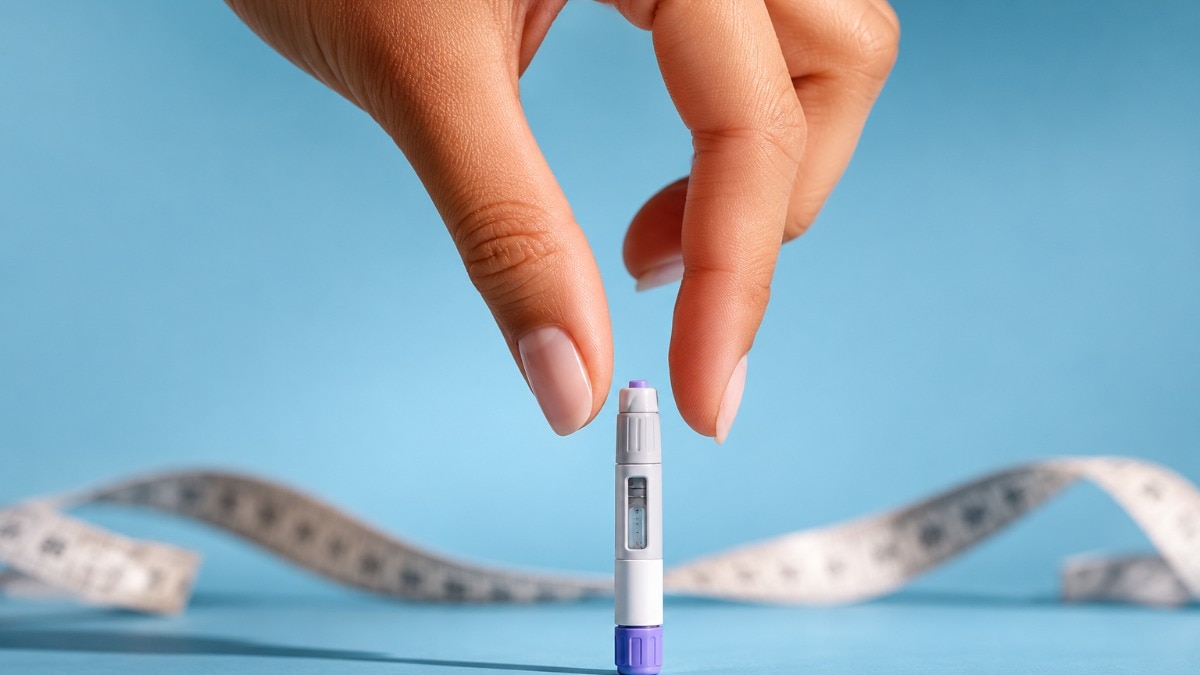
“Down 50+ pounds,” writes one user on Reddit’s GLP-1 microdosing community, describing how small doses of tirzepatide helped control hunger and sustain weight loss.The post reflects the appeal of an emerging trend among people using weight-loss medications: taking less of a drug than the recommended treatment dose in the hope of retaining its benefits while experiencing fewer side effects.On Reddit, the community has become a space for users to discuss lower doses, appetite control, side effects and weight maintenance after treatment. One user described starting tirzepatide with a Zepbound KwikPen at a lower dose because of concerns about nausea. Reporting few side effects, the user said they could still enjoy food, thought about snacking less often and stopped eating when full.For people worried about nausea, the cost of treatment or regaining weight after stopping medication, the idea may sound appealing. If a smaller dose can control hunger, why take more? Screenshot from reddit.com/r/tirzepatidecompound The problem, doctors say, is that a personal experience shared online is not the same as scientific evidence. While GLP-1-based medicines have transformed the treatment of obesity and type 2 diabetes, microdosing remains an inadequately studied practice, with no established clinical definition or standardised treatment protocol. Screenshot from reddit.com/r/tirzepatidecompound WHAT EXACTLY IS GLP-1 MICRODOSING?GLP-1 stands for glucagon-like peptide-1, a hormone involved in regulating blood sugar, appetite and feelings of fullness. Medicines acting on this pathway help people manage blood glucose and, depending on the drug and its approved indication, obesity. Semaglutide, sold under brand names including Ozempic and Wegovy, is a GLP-1 receptor agonist. Tirzepatide, marketed as Mounjaro and Zepbound in different markets, acts on both GIP and GLP-1 receptors.Microdosing generally refers to taking amounts substantially smaller than those recommended for treatment. However, there is no universally accepted medical definition of GLP-1 microdosing. That creates a fundamental problem: what one person calls microdosing may simply be another person's prescribed starting dose or an individualised dose adjustment.“It's a very loosely used term,” says Dr Ambrish Mithal, Group Chairman and Head of Endocrinology and Diabetology at Max Healthcare.He points out that there is no established treatment protocol or robust clinical trial evidence supporting the practice. Even the question of what constitutes a microdose remains unresolved.For instance, tirzepatide has a recommended starting dose of 2.5 mg once weekly for adults under its US prescribing information. But does taking that dose for an extended period count as microdosing, or would the term apply only to a dose below it?Without a clear definition, comparing people's experiences becomes difficult, and we can't reliably establish the effects of different dosing approaches.WHY ARE PEOPLE EXPERIMENTING WITH SMALLER DOSES?The appeal is easy to understand. GLP-1-based medicines can cause gastrointestinal side effects, particularly when starting treatment and increasing the dose. Some users may therefore hope that taking less will reduce nausea, vomiting, constipation or other digestive problems.Others may be reluctant to stop treatment after losing weight and may look for a lower dose to help manage their appetite. Cost can also influence decisions, particularly when treatment involves long-term expenses.Yet the assumption that a smaller dose will automatically offer the same benefits with fewer side effects has not been established.“Patients doing this on their own, no one knows what is going to be the effect,” Dr Mithal says, highlighting the uncertainty surrounding both the benefits and the wider health outcomes of self-directed microdosing.A reduction in appetite or body weight alone does not establish that a particular dose is providing the full range of metabolic benefits expected from treatment.GLP-1 MICRODOSING VS MEDICALLY SUPERVISED DOSE ADJUSTMENTSWhat to considerSelf-directed microdosingDoctor-supervised dose adjustmentWho decides the dose?advertisementThe patient changes the dose independently.The treating physician individualises the dosePrimary motivationIt may include reducing side effects, cutting costs or maintaining weight loss.Improving tolerability and optimising treatment outcomesScientific evidenceRobust evidence supporting arbitrary low-dose regimens is lacking.Decisions draw on clinical evidence, prescribing guidance and individual assessment.MonitoringMay occur without appropriate medical oversight.Response, side effects and treatment goals can be monitored.Metabolic controlBenefits for blood sugar and other health measures may be uncertain.Treatment can be adjusted according to clinical needs.Long-term weight maintenanceEffectiveness is not established.Maintenance strategies can be considered according to the patient's needs and available evidence.Source: Expert inputs from Dr Ambrish Mithal and Dr Anoop Misra.THE MISSING EVIDENCE GOES BEYOND WEIGHT LOSSOne of the biggest concerns is that conversations about GLP-1 medicines often focus almost entirely on the number on the weighing scale.For people with obesity or type 2 diabetes, however, treatment may involve several goals, including improved blood glucose control and other metabolic measures. The dose that produces some weight loss may not necessarily deliver the same benefits across these outcomes.Dr Mithal cautions that the effects of microdosing on parameters such as HbA1c, a measure of average blood glucose over approximately three months, remain unclear.In other words, a person may notice a reduction in weight without knowing whether their blood sugar is being adequately controlled or whether other treatment goals are being met.This is why results shared on social media cannot establish that microdosing is an effective treatment strategy. Individual experiences may be genuine, but they cannot determine the optimal dose, identify who is likely to benefit or establish long-term safety.SMALLER DOSES DO NOT ELIMINATE SIDE EFFECTSThe belief that taking less medication means avoiding adverse effects is another assumption doctors caution against.According to Dr Mithal, gastrointestinal symptoms such as nausea, vomiting, constipation, bloating and acid reflux are among the recognised side effects of GLP-1-based treatment. Many can be managed with appropriate medical guidance, but their occurrence and severity vary between individuals.Some people may continue to experience symptoms even at lower doses. Reducing the dose independently is therefore not a guaranteed solution.There are also concerns associated with weight loss itself. Inadequate protein intake and the absence of resistance exercise can contribute to muscle loss during weight reduction, irrespective of the method used. Rapid weight loss can also increase the risk of gallstones.These risks need to be considered as part of the overall treatment plan rather than attributed solely to the dose of the medicine.Dr Mithal also cautions against unsupervised use, particularly when people alter their dosing schedules without considering their wider health needs. GLP-1 microdosing is gaining popularity, but is it safe? MICRODOSING VERSUS A DOCTOR'S DOSE ADJUSTMENTThere is an important distinction between someone independently experimenting with medication and a physician adjusting a prescribed dose.Doctors may sometimes modify treatment to improve tolerability or determine an appropriate maintenance regimen for an individual patient. Such decisions are made after considering the person's response, side effects, treatment goals and medical history.Dr Mithal describes this as a calibrated, planned process aimed at optimising benefits for the patient.That is different from arbitrarily taking smaller doses to lose a few kilograms, skipping doses or stopping and restarting treatment without medical advice.Dr Anoop Misra, Chairman of the Fortis-C-DOC Centre of Excellence for Diabetes, Metabolic Diseases and Endocrinology in New Delhi, similarly stresses that the goal should be the lowest effective and well-tolerated dose, individualised and monitored by a qualified physician.He cautions that unsupervised dosing can lead to incorrect administration, gastrointestinal side effects, dehydration and inadequate metabolic control. Poor nutritional intake and muscle loss are additional concerns, particularly when protein intake and resistance exercise are not addressed.The distinction is not simply about taking more or less medication. It is about whether the dose has been chosen with a clear clinical objective and appropriate monitoring.WHAT HAPPENS WHEN YOU STOP?Another question remains largely unanswered: can microdosing help maintain weight loss over the long term, particularly after treatment ends?Dr Mithal points out that people experimenting with smaller doses may not always have a plan for what happens next. If weight loss occurs during treatment, it does not necessarily mean the result will persist after the medicine is discontinued.Obesity is a chronic, relapsing condition for many people, and weight regain after stopping medication is a recognised concern. Whether a particular lower-dose regimen can maintain weight loss, and for whom, requires proper clinical investigation.Without controlled studies, there is no reliable basis for assuming that microdosing will prevent weight regain or provide the same sustained benefits as established treatment regimens. elf-directed GLP-1 use versus medically supervised weight-loss treatment. WHAT SHOULD PATIENTS KEEP IN MIND?GLP-1-based medicines represent a major advance in treating obesity and type 2 diabetes. But their growing popularity has also created a gap between what is discussed online and what has been demonstrated in clinical research.For now, microdosing should not be mistaken for an evidence-based shortcut to weight loss. Its definition is unclear, its long-term benefits are not established, and there is insufficient robust evidence to determine whether arbitrary lower doses can reliably deliver the desired metabolic outcomes.The next step is more research, including well-designed randomised controlled trials examining different doses, effectiveness, safety and long-term weight maintenance.Until such evidence becomes available, patients should not reduce, split, skip or otherwise alter their prescribed doses on their own. Anyone experiencing side effects, struggling with treatment costs or considering a maintenance regimen should discuss these concerns with their treating physician.The central question is not whether a smaller dose sounds more convenient. It is whether that dose works safely, delivers meaningful health benefits and can be sustained over time. For GLP-1 microdosing, doctors say, those answers are still missing.- Ends
GLP-1 microdosing: Can smaller doses help you lose weight without the side effects?
Full Article
Original Source
Read the full article at Indiatoday →KhanList aggregates and links to publicly available news content. We do not host full articles from third-party sources. Always verify important information with original sources.