
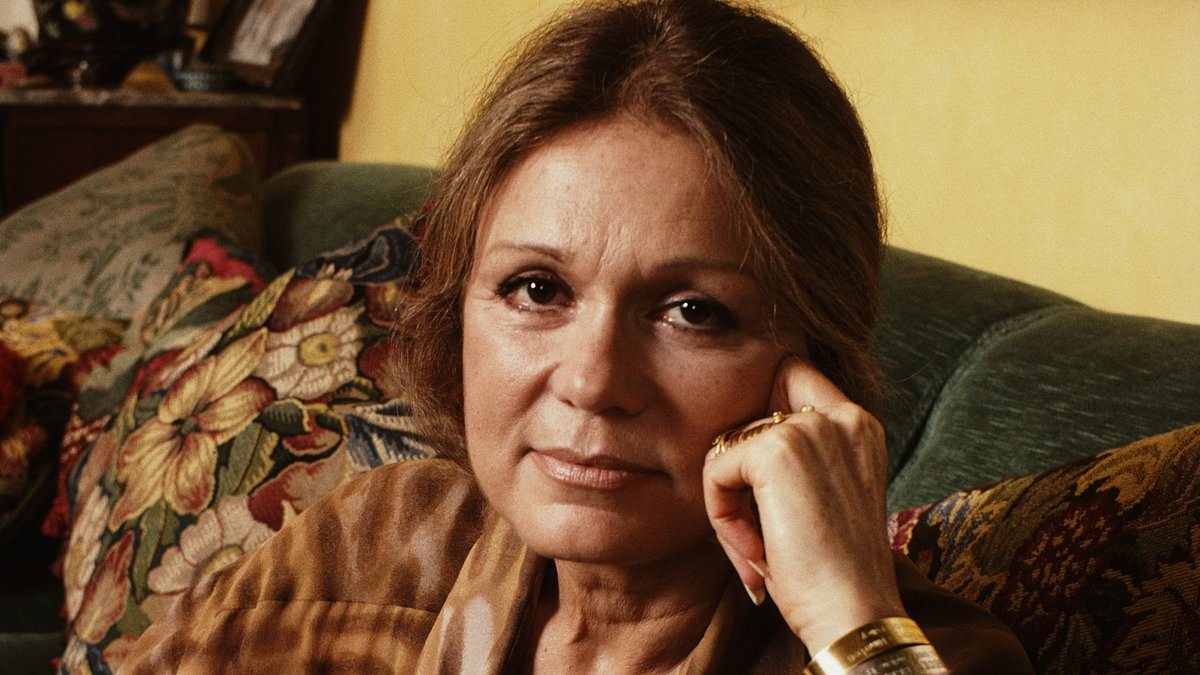
Long before I became a magazine editor, I read Gloria Steinem's article A Bunny's Tale. Though it was first published in 1963, I found it by way of her book, Outrageous Acts And Everyday Rebellions, which I read as a young woman.That story changed my life. Just as it changed the lives of many other women around the world.A Bunny's Tale referred to the women who worked within the Playboy empire, and to understand the power of the article, you need to imagine the world in which the then 29–year–old Steinem wrote it.This was the early 1960s. The majority of women stayed at home and baked cookies – whether they liked it or not. Those who did work – like the bunnies of the Playboy Club – were exposed to poor working conditions, discrimination and often sexual harassment. Steinem's report was far more than a salacious peek into a world where women sell sexuality and men buy it. Instead she revealed the reality of low paid female labour where widespread harassment was endured and women were forced into outfits which both inflicted physical harm and mental humiliation.I had never read anything like it before, not only because Steinem was telling the story from a point of experience – she went undercover for two weeks as a bunny – but because by doing so, she helped to highlight the disturbing reality of a woman's place in the world.This was typical Steinem by the way: using real–life experience combined with public storytelling to challenge gender inequality. And she did it all her life, right up until her death this week in New York at the age of 92. Feminist trailblazer Gloria Steinem has died aged 92 Steinem during her time working as a Playboy bunny undercover. Steinem's article A Bunny's Tale referred to the women who worked within the Playboy empire, and to understand the power of the article, you need to imagine the world in which she wrote itThere are many women of her generation who have done great things for the female cause, but Steinem was one of the titans.She influenced at least three generations of women. She helped the Boomers fight for reproductive autonomy, political representation and workplace equality. She helped Generation X–ers like me (now aged between 46 – 61) understand the importance of financial independence and the fair sharing of household responsibilities. And she helped introduce and maintain the ideas of second wave feminism to a whole new generation of Millennials and Gen Z–ers.Just look at the tribute from the Duchess of Sussex, a close friend despite the age gap, who wrote on Instagram that Steinem's public activism 'helped shape the world for women and all people...'But privately, she was even better than you would imagine,' continued Meghan who befriended the activist in 2020, soon after moving back to the US.'Spending Thanksgiving with our family, introducing me to one of my best friends (forever the champion of female friendship), loving our children with her whole heart, counselling me during hard times, and giving extraordinary advice and perspective with a cup of tea and an unrivalled cheekiness and wit.' I loved that wit, too. It would not be an exaggeration to say Steinem influenced my decision to become a women's magazine editor, a job I did for almost 15 years. As the founder of Ms magazine in the early 1970s, Steinem understood the power of the media to find, tell and highlight female stories. Steinem in 2019. She influenced at least three generations of women. She helped the Boomers, Gen X–ers and Millennials Meghan Markle paid tribute to her 'friend and mentor' Steinem while sharing a previously unseen picture of Prince Archie with the late activistIn this way she also challenged the idea that women's magazines should be solely about cleaning tips and make–up recommendations. Instead they could be powerful conduits for political discussion. When I edited Cosmopolitan, we were heavily influenced by Ms and by Steinem. (I even sent one writer to do a 2010s version of A Bunny's Tale when The Playboy Mansion came to London.)Abortion, harassment, equal pay: we had incredible female writers focus on the same issues Steinem had directed her laser–like attention on long before we were born. We updated them for a new generation – but would we have tackled them at all had it not been for Gloria Steinem going before us? It's hard to say.Interestingly, Steinem and Helen Gurley Brown, legendary editor–in–chief of Cosmo in the US, had a complicated relationship, with Steinem believingGurley Brown's focus on sexuality and appearance was unhelpful to the movement.'She's fooling herself if she thinks her message is a feminist one,' Steinem famously told The Los Angeles Times. The effectiveness with which she illuminated the need for political change through a lens of personal experience was perhaps Gloria Steinem's greatest gift. President Barack Obama presents the Presidential Medal of Freedom to Steinem during a ceremony in 2013Not only was she one of the first public–facing pro–choice advocates, but she also shared with the world her personal tale of having an abortion at the age of 22. (Though she also memorably asserted: 'No one is pro–abortion. Nobody would choose it if they didn't have to.')When she campaigned for the Equal Rights Amendment, which aimed to give legal rights to all US citizens irrespective of sex, she gave a testimony to the Senate in 1970 about her own experiences of harassment at work.A childless working woman herself, Steinem widely encouraged other women to see their roles outside the home. Part of that meant rallying for equal pay, equal opportunities and equal treatment within the workplace, which she did until her dying day.She often aired the view – highly controversial in the 1960s and 1970s – that not all women needed to be mothers. As a childless woman by choice myself, I'll forever be grateful to her for that, too.And she was one of the Western world's most vocal critics of society's shameful tolerance of domestic violence. The abuse of women within the family home was not, she believed, a private matter but a deeply political one.Given her love of the phrase: 'A woman needs a man like a fish needs a bicycle' (originally coined by Australian writer and senator Irina Dunn), many were surprised when, in 2000, aged 66, Steinem decided to marry. Steinam in the 1970s. Not only was she one of the first public–facing pro–choice advocates, but she also shared with the world her personal tale of having an abortion at the age of 22 Flowers left outside Steinem's house in New York City Her husband, businessman and wildlife activist David Bale, was the father of four children including Hollywood actor Christian Bale, to whom Steinem became a stepmother. Though she came from humble beginnings – she grew up in Ohio, in a trailer with a single working mother – Steinem leaves behind a mighty legacy.As Hillary Clinton said: she was 'one of the architects of the entire structure of women's equality'. It's a statement I couldn't agree with more.Though sadly I never met her, I still feel incredibly grateful I've lived through a time in which she was not only such a powerful voice but someone who taught the rest of us how it should be done.
Gloria Steinem: The glamorous titan of feminism who went undercover as a Bunny girl to expose the sexploitation of the Playboy empire
Full Article
Original Source
Read the full article at Dailymail →KhanList aggregates and links to publicly available news content. We do not host full articles from third-party sources. Always verify important information with original sources.