
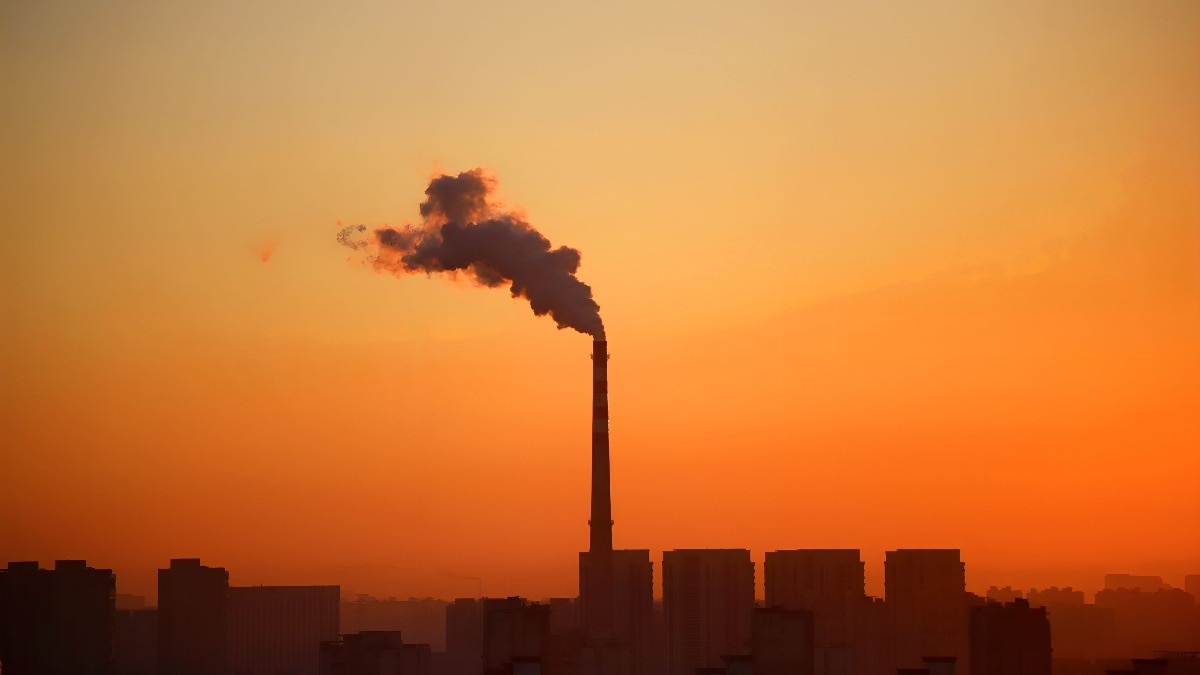
A new Global Carbon Project assessment projects a slight fall in fossil fuel emissions, even as total global CO2 emissions rise and the 1.5°C carbon budget shrinks.Industrial smokestack emitting smoke during sunset. (Photo: Pexels)New Delhi,Nov 12, 2026 11:05 ISTGlobal carbon emissions from fossil fuels are expected to fall slightly in 2026, potentially marking a sign of progress in the fight against climate change.But the projection made a new assessment is far more nuanced than it seems on the surface. A coal-fired power plant is seen fucntioning as it emits smoke. (Photo: Reuters) A new assessment by the Global Carbon Project noted that the minimal fall in emissions is partly being driven by an energy crisis that has pushed up fuel prices, rather than a decisive shift away from coal, oil and gas.The assessment estimated that emissions from fossil fuels will fall by 0.4% this year, bringing them to around 38.2 billion tonnes of carbon dioxide. However, researchers caution that one year of decline does not mean the world has begun cutting its dependence on fossil fuels. The Iran conflict and resulting disruption to energy supplies have pushed up oil and gas prices, forcing countries and consumers to rethink their fuel use. Meanwhile, the expansion of renewable energy and electric vehicles is helping limit the growth in emissions. A drone image shows a functioning coal plant in Chicago, US. (Photo: Reuters) THE ENERGY CRISIS BEHIND THE DECLINEThe projections, however, are not uniform across all types of fossil fuels. Oil emissions are expected to decline by 1.9% in 2026, while natural gas emissions could fall by 0.3%. Coal emissions, however, are projected to rise by 0.6%.Higher energy prices and supply disruptions linked to the Iran conflict have played a part in this shift. But the growing use of cleaner energy is also making a difference. Parts of wind turbines lie on the ground before installation, illustarting renewable energy. (Photo: Reuters) Solar and wind power, along with electric vehicles, are now meeting about two-thirds of the increase in global energy demand. This is reducing the need for additional fossil fuels, even as countries continue to consume large amounts of energy.Although the decline is an optimistic sign, the reason behind it carries relevance. Simply because a fall caused partly by an energy crisis is different from a sustained decline resulting from countries deliberately moving away from fossil fuels.INDIA'S EMISSIONS TO MOVE IN THE OPPOSITE DIRECTIONThe global decline is also not an overall picture and masks the different reality in some countries.India, for instance, is expected to record a 4.4% increase in fossil fuel emissions in 2026. Members of a women's self-help group, trained as solar vendors. (Photo: PTI) That would be higher than its average annual growth of 3.5% over the previous decade, reflecting the country's rising energy demand and continued reliance on fossil fuels.China, the world's largest carbon emitter, is projected to see emissions fall by 0.9%. The US could record a 1.3% decline, while emissions in the European Union and Japan are also expected to decrease.THE WORLD IS STILL RUNNING OUT OF TIMEDespite the projected decline, total global carbon dioxide emissions, including those from deforestation and other changes in land use, are expected to reach 43.3 billion tonnes in 2026, up from 42.8 billion tonnes in 2025.Researchers estimate that the remaining carbon budget for limiting global warming to 1.5 degrees Celsius is around 150 billion tonnes. At current emission levels, that would last less than four years.The projected fall in fossil fuel emissions could signal an important turning point. But what matters now is whether the decline continues in the years ahead and is driven by a lasting shift towards cleaner energy, rather than temporary disruptions to fuel supplies.- Ends
Global fossil fuel emissions to fall in 2026. But it's not the whole story
Full Article
Original Source
Read the full article at Indiatoday →KhanList aggregates and links to publicly available news content. We do not host full articles from third-party sources. Always verify important information with original sources.