
See more This is Money on Google - save us as a Preferred Source Updated: 17:00 EDT, 1 September 2026 UK long-term borrowing costs hit a 28-year high yesterday amid a global bond market rout stoked by investor anxiety over inflation, interest rates and debt.Yields on 30-year UK bonds, known as gilts, surged to more than 5.9 per cent for the first time since 1998. Ten-year gilt yields climbed to 5.25 per cent, the highest since the financial crisis in 2008.Oil prices also climbed, with Brent crude surging towards $93 a barrel, amid a flare-up in attacks between the US and Iran in the Middle East.Yields on US ten-year Treasury bonds – the world’s benchmark assets – climbed to nearly 4.8 per cent, the highest level in a year and a half. Meanwhile, Germany’s ten-year yields climbed above 3.36 per cent, the highest since 2011, after official figures showed eurozone inflation topped 3 per cent in August, cementing the likelihood of a rate rise by the European Central Bank this month.In Japan – where borrowing costs have been kept low for years by massive central bank debt purchases – ten-year yields crossed the 3 per cent threshold for the first time in three decades. Borrowing costs: Yields on 30-year UK bonds, known as gilts, surged to more than 5.9% for the first time since 1998. Ten-year gilt yields climbed to 5.25%A previous bond rout last month was only halted when US Treasury Secretary Scott Bessent stepped in to inject billions of dollars into the market.However, some experts believe the intervention will do little to alter investors’ fundamental concerns about the state of US public finances, at a time when its debt is running above $40 trillion.Markets have also been worried about stubborn inflation and have been uncertain about the commitment of the US Federal Reserve to tackle it under the leadership of new chairman Kevin Warsh.A speech by Warsh last week seemed designed to underline his commitment to the Fed’s goal of bringing down inflation.Yet markets seem to have responded with more jitters, fearing this will mean a US interest rate hike is more likely this month. Oliver Faizallah, head of fixed income research at financial firm Raymond James, said the recent bond market moves had ‘overwhelmingly been driven’ by Warsh’s statements.‘We received no new macroeconomic data points. However, a firmly hawkish tone from Warsh was enough to move markets,’ he said.Kallum Pickering, chief economist at City broker Peel Hunt, said UK yields were rising faster than elsewhere.He added: ‘There is no room for handouts in the upcoming Budget. Anyone thinking otherwise is mistaken. 'Until a British government musters the courage to cut spending, raise taxes and deregulate to boost supply, bond markets will crowd out genuine economic progress.’DIY INVESTING PLATFORMSAJ BellAJ BellEasy investing and ready-made portfoliosHargreaves LansdownHargreaves LansdownFree fund dealing and investment ideasinteractive investorinteractive investorFlat-fee investing from £4.99 per monthFreetradeFreetradeInvesting Isa now free on basic planTrading 212Trading 212Free share dealing and no account feeAffiliate links: If you take out a product This is Money may earn a commission. These deals are chosen by our editorial team, as we think they are worth highlighting. This does not affect our editorial independence.Compare the best investing account for you
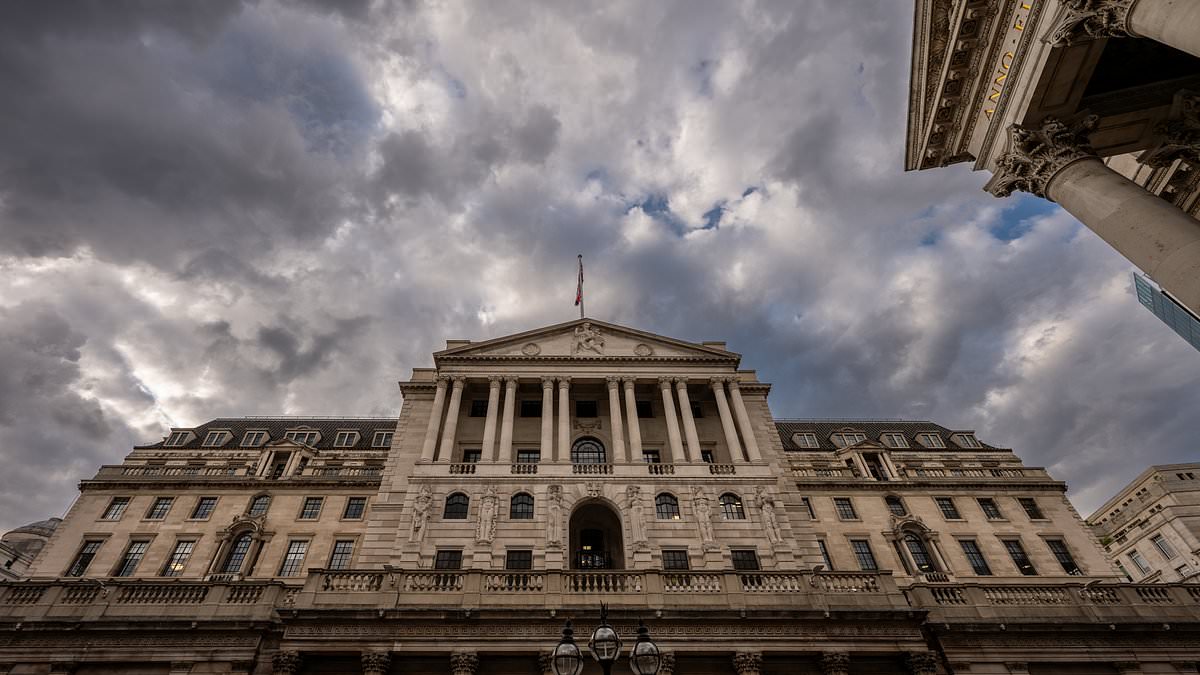
Gilt yields spike amid global bond market rout sending UK long-term borrowing costs to a 28-year high
Full Article
Original Source
Read the full article at Dailymail →KhanList aggregates and links to publicly available news content. We do not host full articles from third-party sources. Always verify important information with original sources.