
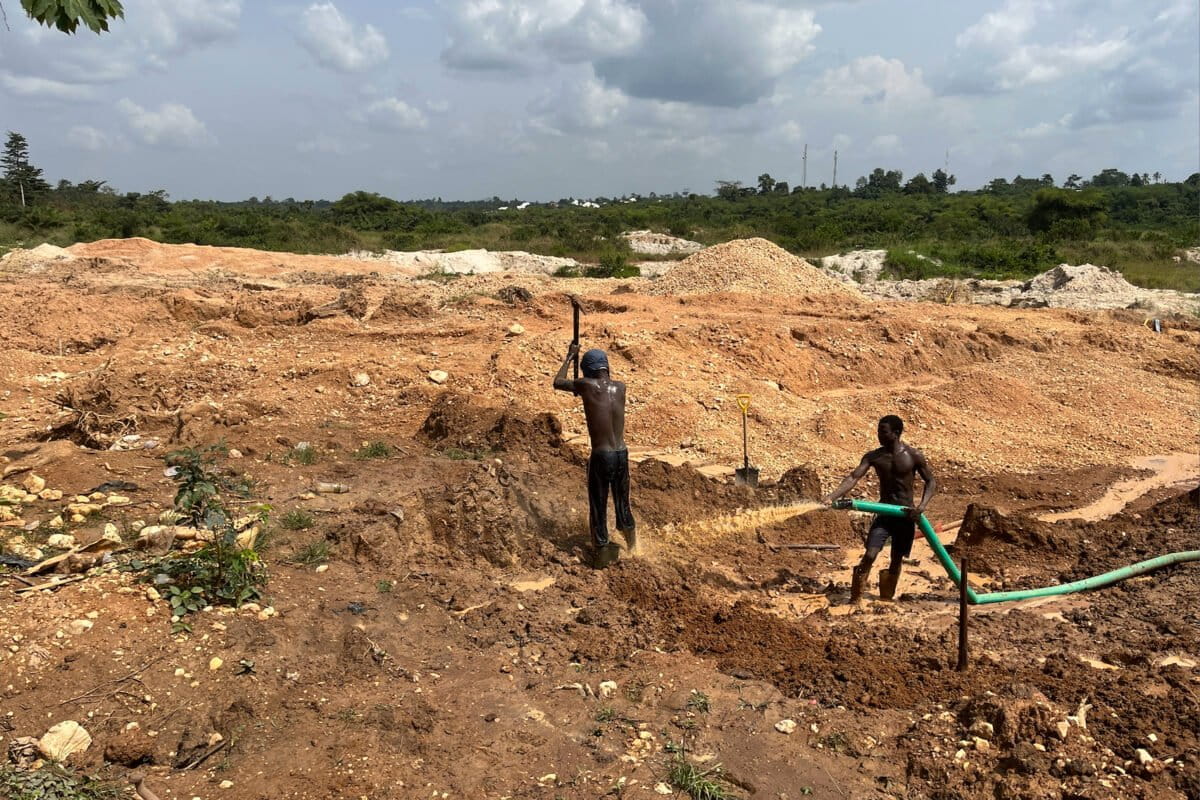
Ghana has set itself an ambitious target to end the export of unprocessed mineral ores by 2030 as it moves to strengthen in-country processing and manufacturing, transforming its mineral wealth into domestic industries and jobs. President John Dramani Mahama announced the goal during the African Minerals Policy Forum in the capital, Accra, on the theme “The Accra Reset and Africa’s Mineral Sovereignty.” Mahama said Africa could no longer afford to export raw mineral materials that power global industries while importing finished products manufactured from its own resources. “Will our copper bring electricity to African homes? Will our bauxite power African factories?” he asked, urging delegates at the summit to reconsider how mineral agreements are negotiated and how the benefits of extraction are distributed. Highlighting Ghana’s long history of exporting raw minerals, Mahama said the country had watched its manganese and bauxite leave through its ports for decades, only to import the finished products. He said this pattern had deprived Ghana of valuable opportunities for skilled employment, technological advancement, and industrial growth. Through the Accra Reset agenda, Mahama said the government seeks to strengthen domestic mineral processing and link extraction more closely to manufacturing. Mahama cited ongoing efforts across the bauxite-to-aluminum value chain, iron ore and steel production, manganese processing, and gold refining as important steps toward retaining more economic value within the country. He also announced his intention to pursue a phased prohibition on exports of unprocessed mineral ores, supported by the necessary legal measures and clear implementation timelines. Mahama said Africa’s mineral ambitions would be stronger if countries worked together rather than competed against one another for investment on unfavorable terms. He called for regional value chains that would allow minerals mined in one African country to be processed in another and supplied to manufacturers across the continent. Such cooperation, he said, could strengthen Africa’s industrial capacity and enable countries to capture a greater share of the value generated by their natural resources. The president also emphasized that mineral development could not be considered successful if mining communities were left with polluted rivers, damaged farmland, and few lasting benefits. Ghana’s parliament in April 2025 established GoldBod, a statutory authority with exclusive rights to buy, assay, grade, value, sell, and export gold and other precious minerals. In October this year alone, GoldBod refined locally 5.4 metric tons of the 5.7 metric tons — or nearly 95% — of gold that it purchased from artisanal and small-scale mining operations, according to its CEO, Sammy Gyamfi. Beyond artisanal and small-scale gold, Gyamfi said 30% of the output of large-scale mining companies purchased by the government under the Ghana Accelerated National Reserve Accumulation Program (GANRAP) was also being refined locally. Banner image: Mining for gold near Kumasi, in Ghana’s Ashanti region. Image by Élodie Toto/Mongabay. Credits Topics
Ghana targets end to raw mineral exports by 2030 to boost local industry
Full Article
Original Source
Read the full article at News →KhanList aggregates and links to publicly available news content. We do not host full articles from third-party sources. Always verify important information with original sources.