
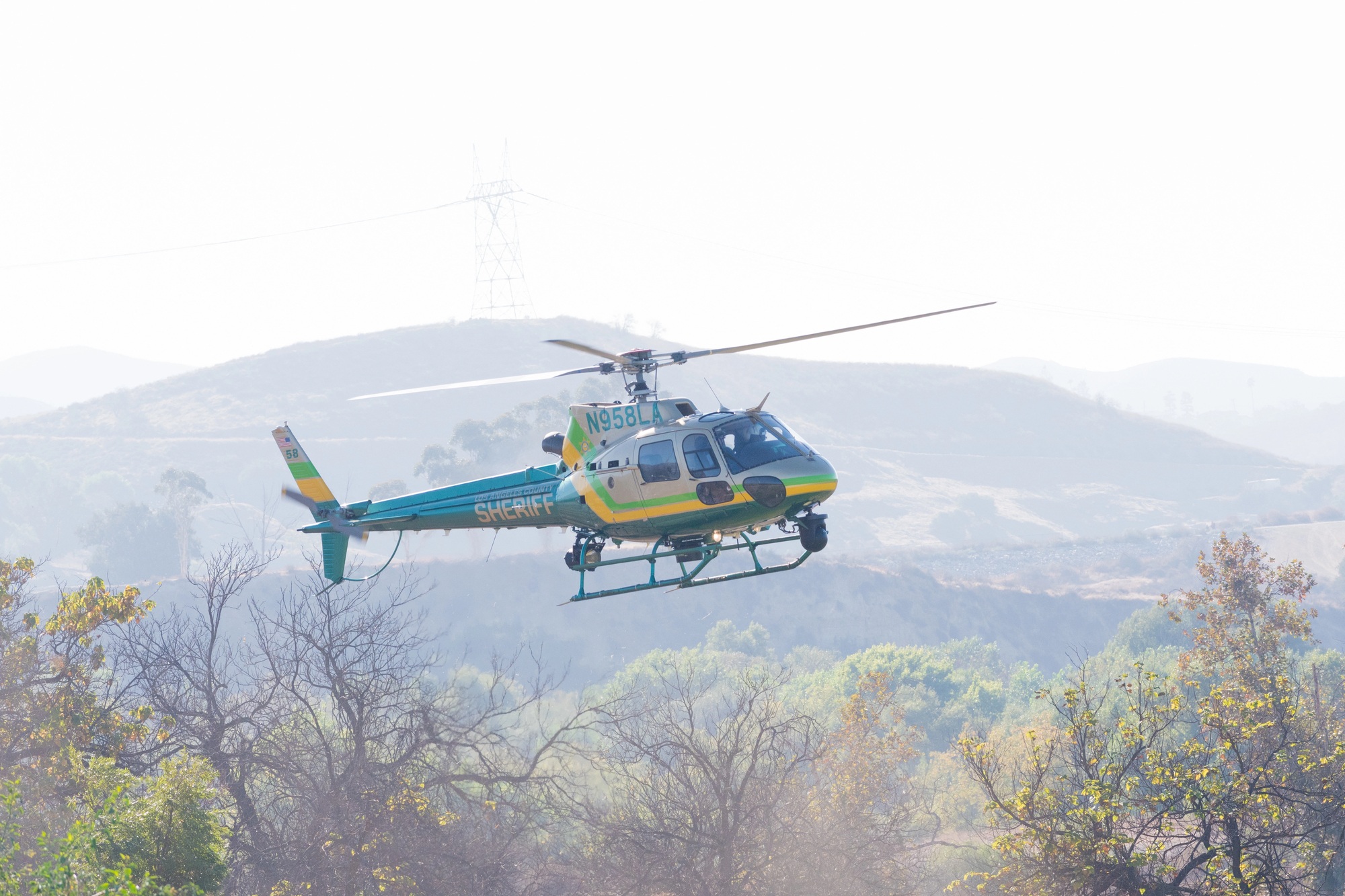
A decision by the Georgia Supreme Court this month may have opened the door to more subrogation claims against law enforcement agencies that cause damage to property during non-emergency police procedures. In a case involving helicopter rotor-wash damage to a licensed hemp grower’s crop, the justices overturned years of precedent and a lower appellate court’s decision that had given almost blanket immunity to police actions. The high court opinion found that for non-urgent situations, the law does not automatically grant immunity from claims. Goodman “The practical significance is a Georgia subrogation claim should no longer be dismissed solely because the property damage occurred during a law-enforcement operation,” said attorney Josh Goodman, a subrogation specialist with the Cozen O’Connor law firm. “If a carrier pays for damage to insured property, it may be able to pursue the insured’s claim through subrogation, subject to the applicable policy language, state law, governmental defenses, and procedural requirements.” A few other states, including Minnesota and Texas, allow similar recovery for some police-caused damages. The Texas Supreme Court in 1980 rejected the argument that simply characterizing the damage as part of an exercise of police power automatically defeated compensation, Goodman explained. The Minnesota Supreme Court’s 1991decision came in a case involving an insurance company, Milwaukee Mutual Insurance. Minnesota lawmakers later approved statutory changes that addressed compensation owed to innocent parties whose property is damaged during the execution of a warrant or the apprehension of a suspect. A Florida appeals court, in another insurer-brought appeal, in 2003 offered a more limited and textual opinion, noting that the state constitution requires compensation only for the actual taking of property by governments, not the broader “taking, damaged or destroyed” wording seen in Minnesota and Texas, Goodman said. Federal appeals court also have rejected compensation for damage stemming from reasonable and necessary police actions. In the Georgia case, the owners of Blue 42 Organics, a licensed grower of hemp, argued that the company was due compensation from the Georgia Department of Public Safety after a helicopter operation caused some $37,000 in damage to hemp plants. A trial court dismissed the company’s complaint, finding that the Public Safety crews were exercising their police powers and the suit was barred by the sovereign immunity doctrine. The Georgia Court of Appeals confirmed the dismissal. But on appeal, the high court disagreed, pointing out that state law does not give immunity for all types of police power, only abatement of nuisances and cases of urgent necessity. In this case, the Department of Public Safety’s helicopter and a fixed-wing aircraft were reconnoitering the area as part of a drug interdiction operation, and no urgent action was underway. “Although some law enforcement activities are conducted in response to emergencies, there are no allegations in Blue 42’s complaint that suggest an emergency,” Chief Justice Nels Peterson wrote in the Sept. 9 opinion. The high court ruled only on the motion to dismiss Blue 42’s complaint, so the underlying lawsuit on whether compensation is owed to the hemp growers will now proceed. The court did not indicate if Blue 42 held insurance coverage that covered the damage. Regardless of the outcome of the underlying suit, the court opinion means that insurers now have solid ground to stand on in subrogation, if seeking compensation from law enforcement agencies for damage caused to insureds’ property. “My overall view is that Blue 42 is significant because it changes the threshold analysis in Georgia,” Goodman noted. “The issue can no longer be resolved simply by saying that law enforcement was exercising its police powers.” Courts must now examine the constitutional text, the nature of the governmental conduct, the connection between the conduct and the property damage, and whether a recognized exception applies, such as urgent necessity or nuisance abatement, he added. Insurers in Georgia should no longer assume that recovery for police-caused damage is automatically barred. “These claims should be evaluated early, notice requirements should be preserved, and the governing constitutional language should be analyzed carefully,” Goodman said. Goodman is based in Florida but is a noted authority on subrogation law in other states. The full Blue 42 opinion can be seen here. Subro-lated: Delaware High Court Rescues Cyber Insurers’ Subrogation Claims Topics Claims Georgia Law Enforcement
Georgia Supreme Court Opens Door for More Subro Claims Against Law Enforcement
Full Article
Original Source
Read the full article at Insurancejournal →KhanList aggregates and links to publicly available news content. We do not host full articles from third-party sources. Always verify important information with original sources.