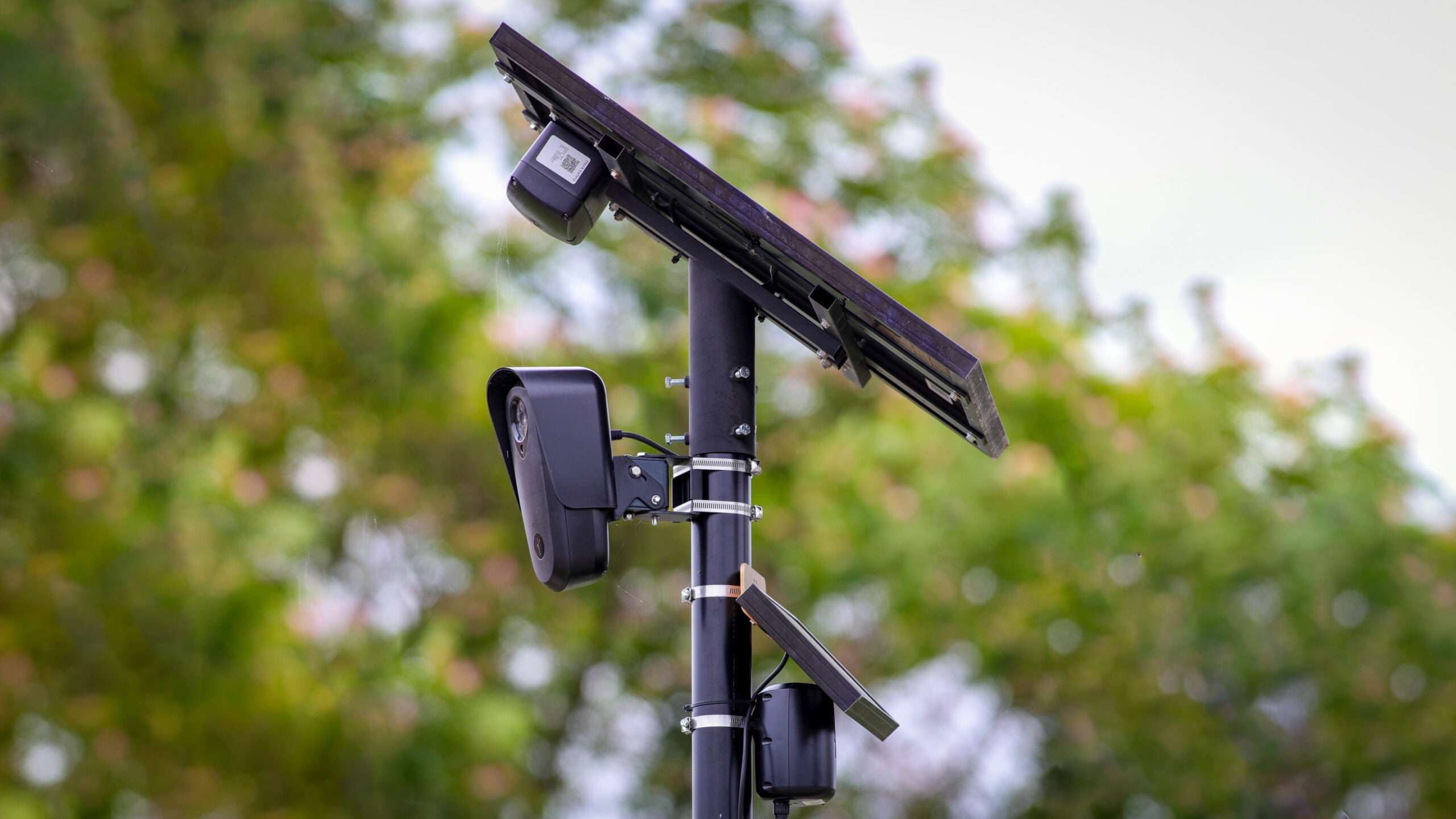
Arrests in Georgia for the misuse of Flock Safety's surveillance system by public officers continued to rise this week, climbing to at least 20 statewide. On Monday, Andrae Wright was arrested and charged for allegedly accessing the license plate reader system over 60 times between June 15 and July 5 while employed as an investigator with the Ogeechee Circuit District Attorney's Office northwest of Savannah, reports WSB-TV Atlanta. And on Friday, the Habersham County Sheriff's Office in north Georgia announced that Deputy Christian Brewer had been fired and arrested for allegedly misusing license plate data. The misuse, according to NowGeorgia.com, involved "an individual with whom Brewer had a personal relationship at the time." To avoid incidents like these, Flock Safety—the largest provider of automatic license plate readers (ALPR) in the country with over 120,000 cameras nationwide—introduced its Audit Assistance tool in April. And according to a statement from the company last week, its new trust and compliance tool "has helped several agencies identify misuse cases that might otherwise have gone undetected." But privacy and police accountability experts say there's an obvious reason so much misuse goes undetected not only in Georgia but nationwide: There's almost no oversight over police who search license plate data. Rather, license plate data searches by law enforcement are routinely conducted without reasonable suspicion, probable cause, or a warrant. What's happening in Georgia is "just the tip of the iceberg," says Michael Soyfer, an attorney at the Institute for Justice (I.J.) who specializes in Fourth Amendment cases. There are almost certainly more cases of law enforcement abuse of this kind lurking, according to Soyfer, who believes this is an extensive problem threatening Americans' constitutional rights. Soyfer is skeptical of whether Flock Safety's auditing tool will help curb the abuse. "There isn't much public information on how they work," he said, likening the capability to a "black box" and noting that "Flock's ultimate customer is the police department." Relying on these tools, says Soyfer, is essentially "leaving the police to police themselves." Setting the obvious conflicts of interest aside, Soyfer argues that at this point, law enforcement agencies are conducting so many warrantless searches within Flock Safety's license plate data, it'd be "impossible to find all the misuse." In a lawsuit filed in April against the city of San Jose, California, I.J. found that the data collected from San Jose's network of 474 Flock cameras was searched "nearly 2.5 million times in the last six months of 2025, an average of over 15,000 searches per day," all with almost no oversight. Additionally, officers using license plate data often provide incredibly scant details when searching license plate data, even using rationales as vague as a mere "criminal justice," according to Soyfer. Misuse simply can't be found without officers providing critical details as to why they are searching the data in the first place, he continued. But even if Flock Safety's auditing tools were used correctly and consistently, it'd still amount to just "a game of Whac-A-Mole," says Soyfer. And when it comes to protecting Americans' constitutional rights, "it's being reactive instead of proactive." Alternatively, Soyfer says "the Constitution spells out safeguards when police invade personal privacy," including requiring police to obtain a warrant before conducting a search. And while it's an evolving legal question as to whether police mining license plate data is considered a search under the Fourth Amendment, a question made more complicated by recent Supreme Court rulings, Soyfer remains resolute that, in his view, license plate data searches don't fall under the relatively few recognized warrant requirement exceptions. The "inefficiency" baked into the warrant requirement to slow police down, Soyfer argues, is intentional. "It's meant to be prophylactic," he continued, preventing rights violations before they happen. But so far, courts have declined to require law enforcement officers to obtain a warrant before searching license plate data.
Georgia Has Arrested At Least 20 Officials for Misusing the Flock Surveillance Database
Full Article
Original Source
Read the full article at Reason →KhanList aggregates and links to publicly available news content. We do not host full articles from third-party sources. Always verify important information with original sources.