
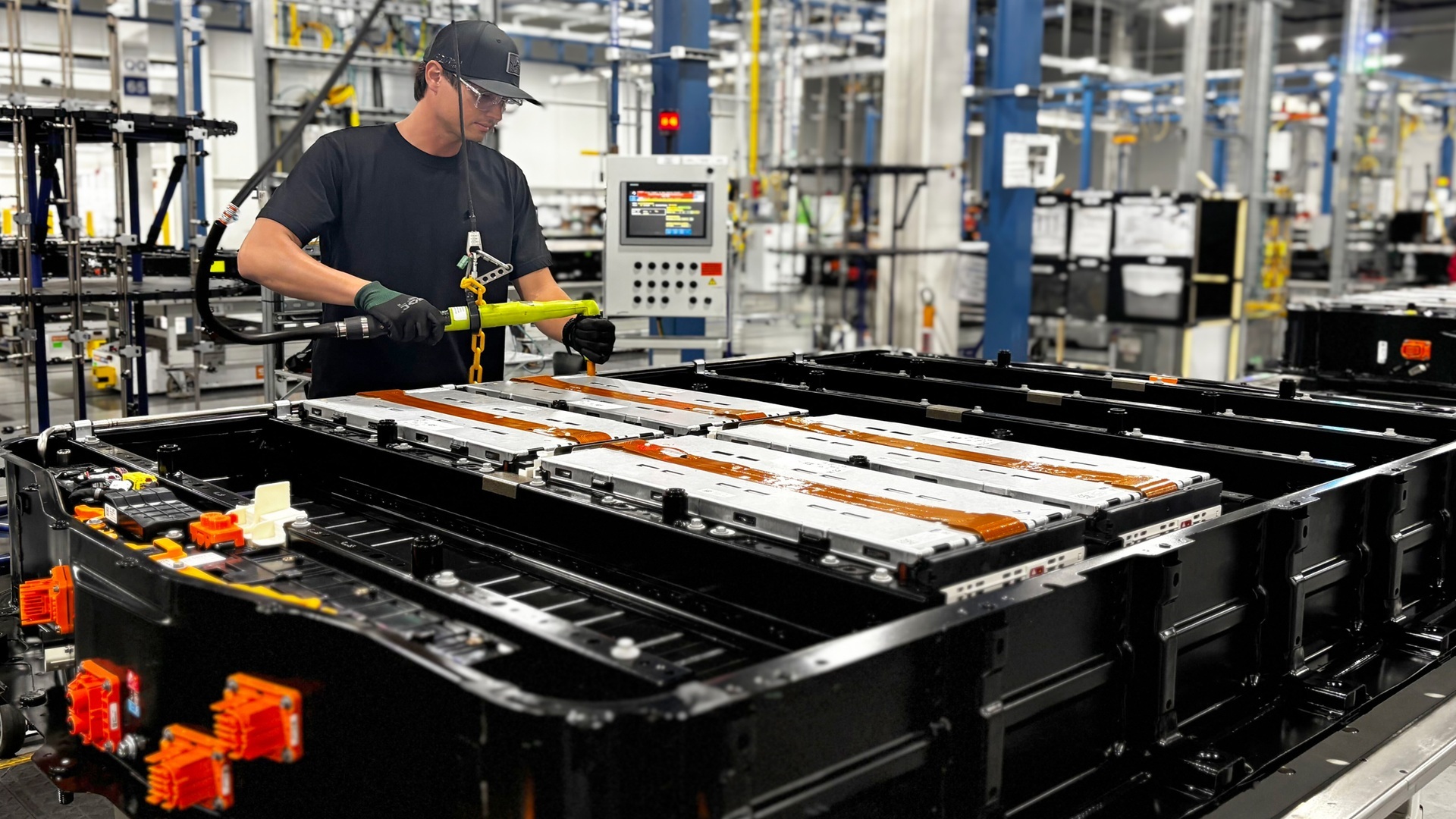
General Motors has built new electric vehicle batteries using cathode materials containing 100 percent recycled nickel, cobalt and manganese recovered from old EV batteries. The automaker completed the closed-loop recycling pilot with battery recycler Cirba Solutions and other partners. The project took critical minerals from end-of-life GM battery packs, processed them, and returned them to the supply chain for use in new battery cells. The resulting cells were produced by Ultium Cells, GM’s joint venture with LG Energy Solution. GM then assembled the cells into battery modules and packs at its Factory ZERO and Spring Hill plants. The first vehicles powered by batteries containing the recycled cathode materials rolled off production lines this month and are now headed to customers, according to the companies. Old batteries feed new The process began with Cirba Solutions disassembling end-of-life GM EV battery packs and sending the recovered material to its lithium-ion battery recycling facility in Ohio. There, the batteries were shredded and processed into Black Mass, a concentrated material containing valuable minerals recovered from lithium-ion batteries. Producing Black Mass, however, was only part of the process. Nickel, cobalt and manganese used in new cells have to meet battery-grade specifications regardless of whether they come from newly mined or recycled sources. The recovered material was therefore further refined and validated before being turned into new cathode active material, or CAM. The resulting CAM contained 100% recycled nickel, cobalt and manganese. “This pilot shows that the value of an EV battery can extend well beyond its first life – and that strong partnerships across the battery ecosystem are essential to building a more circular, resilient future for battery technology,” said Melissa Flaherty, Director of Sustainable EV Battery Ecosystem at GM. The project demonstrates a closed-loop approach in which materials from retired batteries can return to battery manufacturing rather than leaving the supply chain after a vehicle reaches the end of its useful life. Recycling closes supply loop The approach could become increasingly important as the number of retired EV batteries grows. Nearly 14 million EV batteries are projected to reach the end of their lives globally by 2040, according to figures cited in the announcement. Meanwhile, global lithium-ion battery demand is expected to reach about 4.2 to 6.8 terawatt-hours annually over the next decade. Recovering battery materials domestically could reduce demand for newly mined minerals while providing manufacturers with another source of nickel, cobalt and manganese. The same recycling infrastructure could also process batteries from energy storage systems, data centers and consumer electronics. “Battery recycling is an important, intersecting component across the battery supply chain, and this program effectively demonstrates the value that recycling end-of-life batteries brings to creating a closed-loop supply of critical minerals,” said David Klanecky, President and CEO of Cirba Solutions. The companies say expanding domestic recycling and processing could strengthen battery supply chains while reducing dependence on virgin critical minerals.Get the latest in engineering, tech, space & science - delivered daily to your inbox.With over a decade-long career in journalism, Neetika Walter has worked with The Economic Times, ANI, and Hindustan Times, covering politics, business, technology, and the clean energy sector. Passionate about contemporary culture, books, poetry, and storytelling, she brings depth and insight to her writing. When she isn’t chasing stories, she’s likely lost in a book or enjoying the company of her dogs.
General Motors rolls out first EVs using batteries with 100% recycled critical minerals
Full Article
Original Source
Read the full article at Interestingengineering →KhanList aggregates and links to publicly available news content. We do not host full articles from third-party sources. Always verify important information with original sources.