
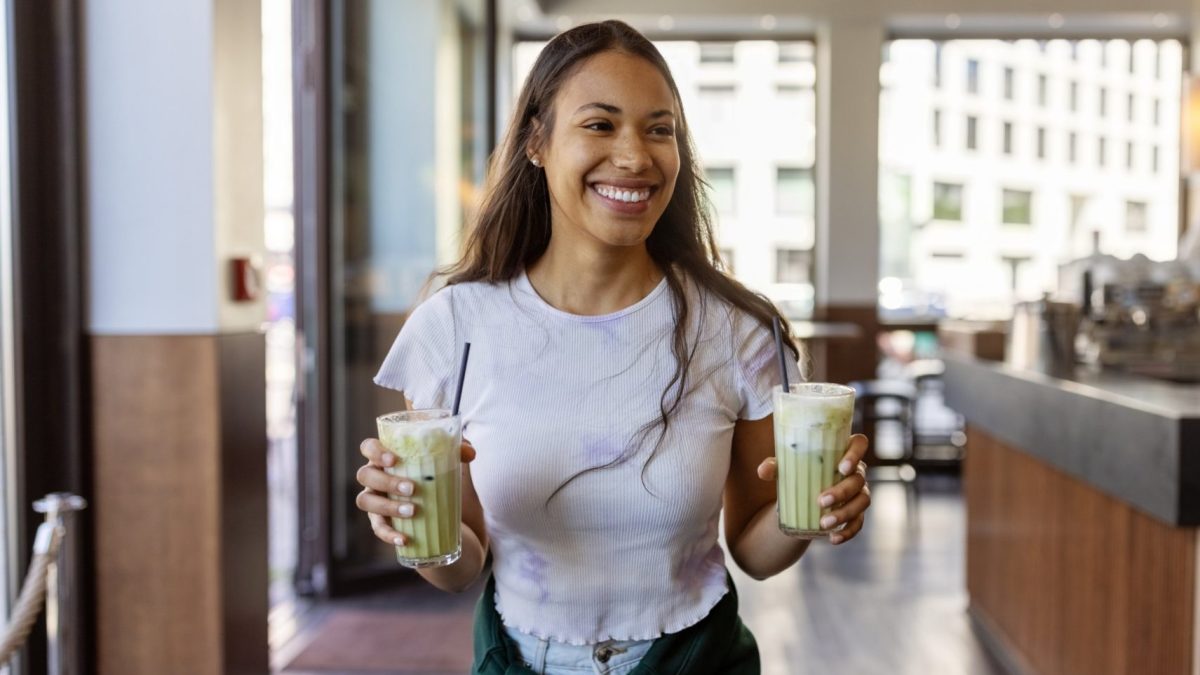
We Brits are well known for our love of tea. Whether you like a classic Tetley with a drop of milk or Earl Grey with a touch of lemon, there’s something comforting about a good cup. Yet younger people are overlooking tea in favour of trendier alternatives. A survey of 2,000 British adults commissioned by alternative milk firm Oatly found that 47 per cent of young Brits considered English Breakfast tea old-fashioned. Meanwhile, 81 per cent of under-30s said they ordered something other than tea when visiting a café. Not me, though. I’m 20 and a hardened tea drinker, but the obsession started a bit younger. I was 16 when it started to get serious, rarely going anywhere without a flask of green tea or chai. These days, I’m a masala chai girl. Ideally, with enough honey to cover the entire bottom of the cup. And as the weather gets colder, I find myself reaching for tea more often. It’s quite a change from when I was younger and seemingly incapable of getting through the day without an iced coffee. These days, I’ve become quite particular about my tea. I’ve shopped around to find my favourites, including Clipper’s organic nettle tea for hayfever season and M&S green tea and mint, which is always in my cupboard. But my generation isn’t interested. Matcha has become such an obsession for Gen Z that the co-founder of cafe chain Black Sheep Coffee blamed us for pushing its price up nearly 100 per cent versus two years ago. And I can see why paying £3.50 for, essentially, a teabag and some hot water might not appeal. And yes, a picture of your bright green matcha smoothie will pop on Instagram. But I think my fellow Gen Zs are missing out on something really good. Tea doesn’t have to be boring or old-fashioned. There’s so much more to try than a standard cup of English Breakfast. Part of the fun is finding your favourites. I’ve spent time trying different blends and working out how much honey or milk I like in each one (a lot of both). You might even discover a flavour you wouldn’t normally give a second thought. One of my friends loves liquorice and peppermint, but I am yet to be convinced. And better than that, they have practical uses. Struggling to sleep? Try chamomile. Feeling a bit stuffy and sick? Lemon and ginger could do the trick. What does matcha do? More to the point, though, we’re overlooking the fact that some of the drinks we’re ordering in cafés are, in fact, tea. Matcha is just green tea, but prepared with a big bamboo whisk. There is a lot of talk about getting the real, “ceremonial grade” matcha from Japan. It’s still just green tea. Bubble tea – sweet and packed with chewy tapioca balls at the bottom – is, as the name suggests, usually made with a tea base. Yet the fancy cups, lengthy preparation rituals and creative names can make us forget what’s actually going into them. Go into a specialist matcha bar and you could easily pay £6 for a cup. I understand that sometimes we just want to pop into a café and treat ourselves, and I’m not saying Gen Z should give those little treats up. Spending a little too much on fancy drinks every now and then is hardly the end of the world. But I do think more young people should give tea a proper chance. Perhaps it’s just a frugal habit, but I’ve grown to love making a cup of tea at home: putting the kettle on and sitting down, just taking a few minutes to yourself. It might not be as pretty to photograph, but it’s one of the best parts of my day.
Gen Z will regret its matcha madness – we’re losing a British ritual
Full Article
Original Source
Read the full article at Inews →KhanList aggregates and links to publicly available news content. We do not host full articles from third-party sources. Always verify important information with original sources.