
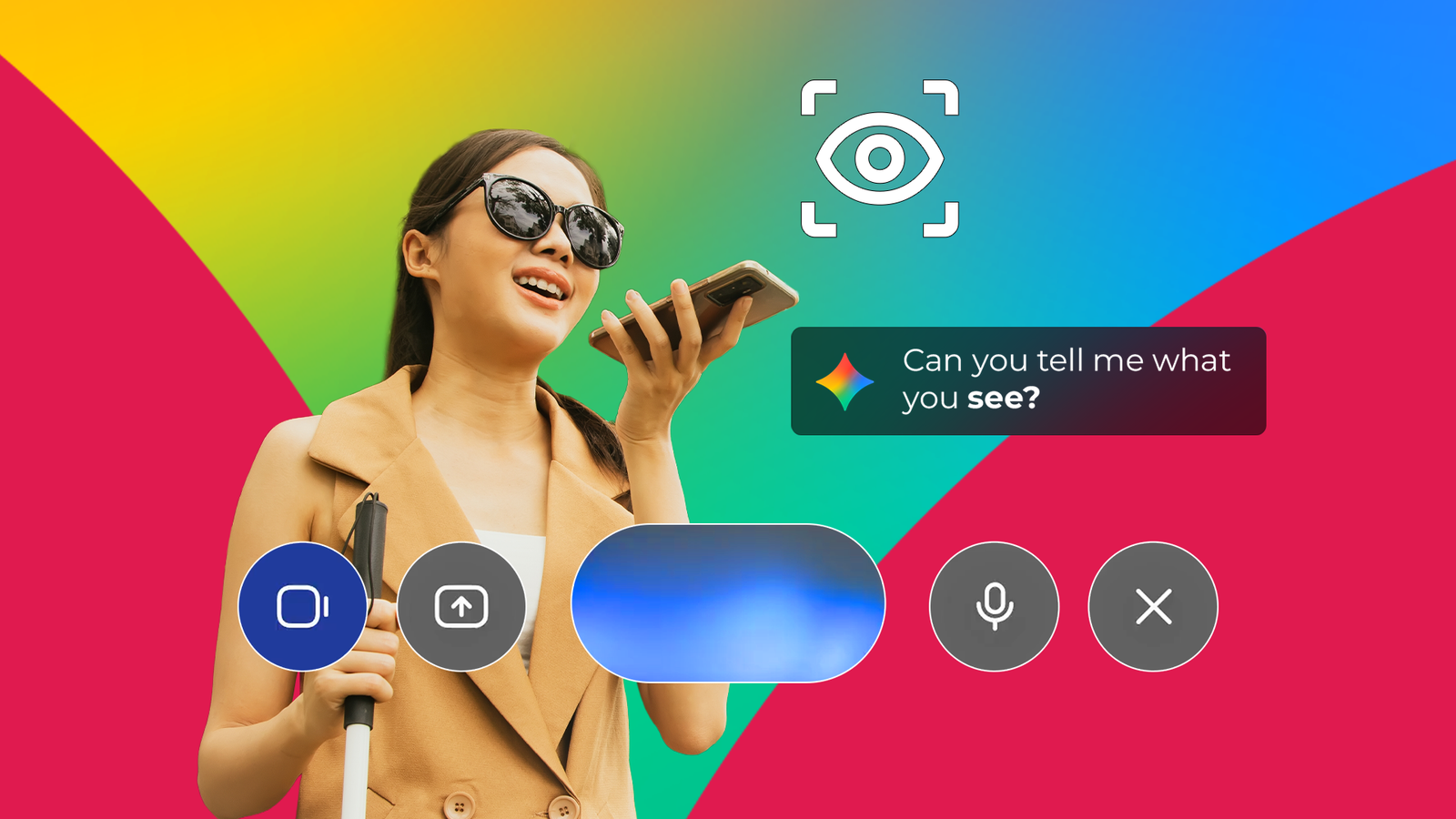
Published Oct 4, 2026, 6:00 AM EDT If you've ever wondered whether an AI feature on your phone is doing anything useful, Ben Khalesi has probably asked the same question. He has covered AI and Android for Android Police since 2023, with Pixel, Galaxy, Google's apps, and the rest of the Android ecosystem never far behind. Ben is a lifelong geek who trained as an AI engineer and earned a bachelor's in IT, so when the industry announces something new, he's the one who wants to know how everything works behind the scene and what can be trusted. Nearly four years into the generative AI hype cycle, most of what we've been sold is mediocre corporate emails and weird synthetic art. So it says a lot that the most convincing AI featureGoogle has shipped in a while is an accessibility tool. Guided Vision is rolling out gradually to Gemini Live as part of the September 2026 Android Drop. Google built it with and for blind and low-vision communities. It turns your phone into a conversational set of eyes. I've been testing and writing about consumer AI for a while now. This one deserves respect for what it's doing. Gemini watches the feed and steers the frame It doesn't give up on a bad angle Credit: Lucas Gouveia / Android Police A camera app does nothing until you tap the shutter. Guided Vision talks you through the whole fiddly framing process. You share your phone's live camera feed with Gemini Live and ask for help with something physical. Say you're hunting for a specific jar on a crowded spice rack. Gemini looks at the video feed and answers with spoken directions. The best part is what happens when you get the shot wrong. If you're aiming at the ceiling or cutting off half the label, Gemini doesn't bail on you. It coaches you into a better shot. It might tell you to pan, for example. Google also wired it into Android. You can start it from the TalkBack menu or through Android's accessibility shortcuts. And this means no more digging through submenus when all you want is to read a label. A Gemini feature that doesn't demand a new phone Eight years of Android covered Credit: Lucas Gouveia / Android Police Guided Vision works on any phone that can run the Gemini app, which means Android 9 or newer with at least 2GB of RAM. Two of the other headline features in the September Android Drop only work on recent versions of Android. Motion Assist, which puts up on-screen cues to fight passenger motion sickness, needs Android 17. Find Hub's new remembered items feature, which lets Gemini save where you put things that don't have a tracker tag, needs Android 16. Android's fragmentation problem is famous. People who depend on assistive tech shouldn't have to buy an expensive new flagshipevery two years. Supporting older hardware means the feature reaches the people who need it, on the phones they own and trust. A middle ground between Lookout and Be My Eyes Software that talks back Credit: Lucas Gouveia / Android Police | Viktoriia Lomtieva / Shutterstock Visual assistance apps have always felt a little old-fashioned to me. Even Google's Lookout makes you pick a mode before you start, so reading a letter and checking a banknote are two separate jobs. It can now use Gemini to describe a photo and answer follow-up questions, but it still works one captured image at a time. Be My Eyes took a different path by connecting users with sighted volunteers over live video. Its Be My AI feature can describe photos, but live help still means a video call with a stranger. Guided Vision feels like something between static software and a live human helper, which I think is the more useful half of that comparison. Gemini Live is a conversational engine at its core, so you get a back-and-forth dialogue that a photo-by-photo tool can't manage. You can ask follow-up questions about a room's layout, and Gemini will work with you on what the camera needs to see to give a better answer. So you end up in a running conversation about your surroundings, with the phone in the middle. To me, that's the logical next step for mobile AI. It answers your question and then sticks around to help with the task. What Guided Vision won't do Why navigation is off the table Credit: Lucas Gouveia / Android Police | tete_escape / Shutterstock Turning a generative model into a stand-in for eyesight carries risk. After all, a camera hallucinating on a busy sidewalk could get someone hurt. Google has put firm limits on Guided Vision. The company warns that Guided Vision can make mistakes about what it sees. It's not a medical device or a mobility aid, and it doesn't replace safe-travel guides. It also isn't meant for navigation or real-time obstacle detection, so you can't count on it to tell you whether a staircase is clear or a crosswalk is safe to enter. Identifying a can of soup and crossing a street are wildly different jobs, and Google is right to draw that line in thick permanent marker. The AI feature that passes the usefulness test AI earns its keep when it extends what people can do. I think that's the test here. Most of the generative AI space is still a mess, legally shaky, and rather flawed, but Guided Vision is one corner of it that's grounded and useful. Helping someone read a poorly lit restaurant menu or find a jar of spices on a kitchen shelf would make a nice demo at a developer conference, sure. More importantly, it's the best picture yet of AI doing a job people need done.
Gemini's best new feature was built for people who are blind; it shows what AI is really for
Full Article
Original Source
Read the full article at Androidpolice →KhanList aggregates and links to publicly available news content. We do not host full articles from third-party sources. Always verify important information with original sources.