
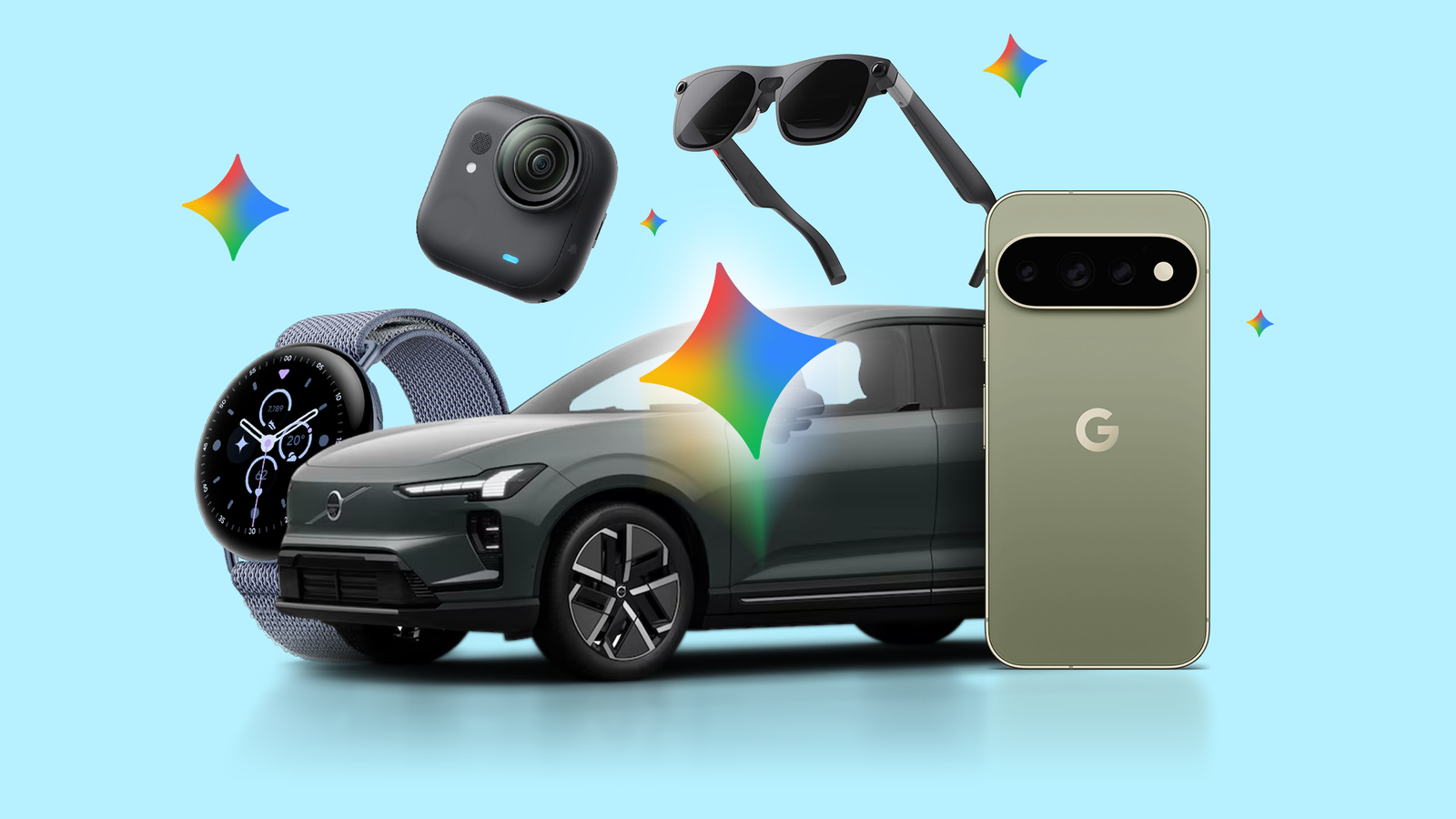
Published Aug 21, 2026, 6:00 AM EDT I’ve been covering Android since 2023, when I joined Android Police, mostly focusing on AI and everything around Pixel and Galaxy phones. I’ve got a bachelor’s in IT with a major in AI, so I naturally view technology differently. I usually take a pro-consumer angle instead of the marketing hype, which you’ve probably noticed in my writing. On September 4, 2026, Google begins the phased shutdown of the voice assistant that defined the last decade of Android. Google Assistant disappears from mobile devices, Wear OS watches, plus compatible headphones, and the replacement isn't optional. That forced march is the whole strategy in miniature. In August 2026, the standalone Gemini app crossed one billion monthly active users, a figure that counts the dedicated app and not the billions of people bumping into AI Overviews in ordinary web search. Plenty of that growth arrived because an operating system changed under people. And benchmark supremacy is a rented crown anyway, passed around every few months. Distribution is what compounds, so Google is betting convenience beats quality. The smartphone baseline Even Siri answers to Gemini Credit: Google Let's start with the surface you touch a hundred times a day. The corner swipes and long presses that used to summon legacy Assistant now pull up Gemini. If you want to see the strategy working, look at a Galaxy. Gemini extensions have been turning up inside Samsung's productivity apps, with each One UI build going further. Even the side button belongs to Gemini out of the box. But hold that thought; there's more. January 2026 brought a joint statement confirming that Apple's next Foundation Models would be based on Gemini. Siri, of all things, is now downstream of Gemini. Cars, where you can't switch The dashboard is Google's now Credit: Lucas Gouveia / Android Police In April and May 2026, General Motors pushed a free over-the-air update swapping Google Assistant for Gemini across roughly four million eligible vehicles. Volvo is running the same game. Gemini is shipping in the new Volvo EX60 electric SUV, using the car's cameras to read local parking signs and road markings in real time. Worth being clear that this is only the embedded half. GM, Volvo, and Polestar are running Google built-in, meaning Android Automotive OS native in the dashboard. Android Auto is a separate rollout entirely, and Google puts that footprint at more than 250 million compatible vehicles. TVs and the gadget periphery Glasses are next Credit: Google Gemini is becoming the house AI for hardware makers who will never build their own model. In June 2026, Google rolled out natural language system controls for Gemini on Google TV. It debuted on select TCL sets under a 60-day exclusivity window before opening up to other brands. Further down the stack, Gemini turns up wherever a manufacturer wants it. For example, Insta360's August 2026 software update for the GO Ultra added a Gemini-backed assistant called Kira for live translation and visual questions. The same pattern shows up in smart eyewear. XREAL's upcoming project Aura pairs Android XR with Gemini in a glasses form factor. Gemini spreads across categories because Google sells the whole thing, from wake word to translation to visual recognition, at whatever depth a manufacturer can absorb it. The antitrust problem By the time it's illegal, it's habitual Credit: Pixabay A court order is the only thing that plausibly breaks a compounding distribution advantage. Google lost its search monopoly case. If the courts decide the same logic applies to AI assistants, that would put pressure on Google's arrangements. What it wouldn't touch is Android. Google doesn't need permission to make Gemini the assistant on a platform it writes, so the parts of this strategy that compound fastest are the parts sitting furthest from a judge's reach. And even where the courts can act, they're slow, with appeals in cases this size running for years while the rollout keeps going. By the time anything binding arrives, Google may already have what it wanted: a few hundred million people who use Gemini out of habit. What distribution doesn't buy Consumer defaults on Android don't win corporate cloud contracts, because the two markets are decided differently. Consumer AI goes to whoever is closest, since most people won't compare models and will use whatever answers when they ask. Enterprise buying is the opposite. Someone whose job depends on the result running a bake-off before anything is signed, and no amount of pre-installation survives that. Google's answer to this has been to push Gemini through Workspace, but that's the same distribution play aimed at a different room, and it converts less cleanly when a procurement team is involved. Google keeps closing the gap, and Antigravity and the newer Flash models show a company that knows exactly where it's behind, but on the serious work that decides these contracts, it's still the challenger.
Gemini is becoming the default AI everywhere you look, whether you like it or not
Full Article
Original Source
Read the full article at Androidpolice →KhanList aggregates and links to publicly available news content. We do not host full articles from third-party sources. Always verify important information with original sources.