
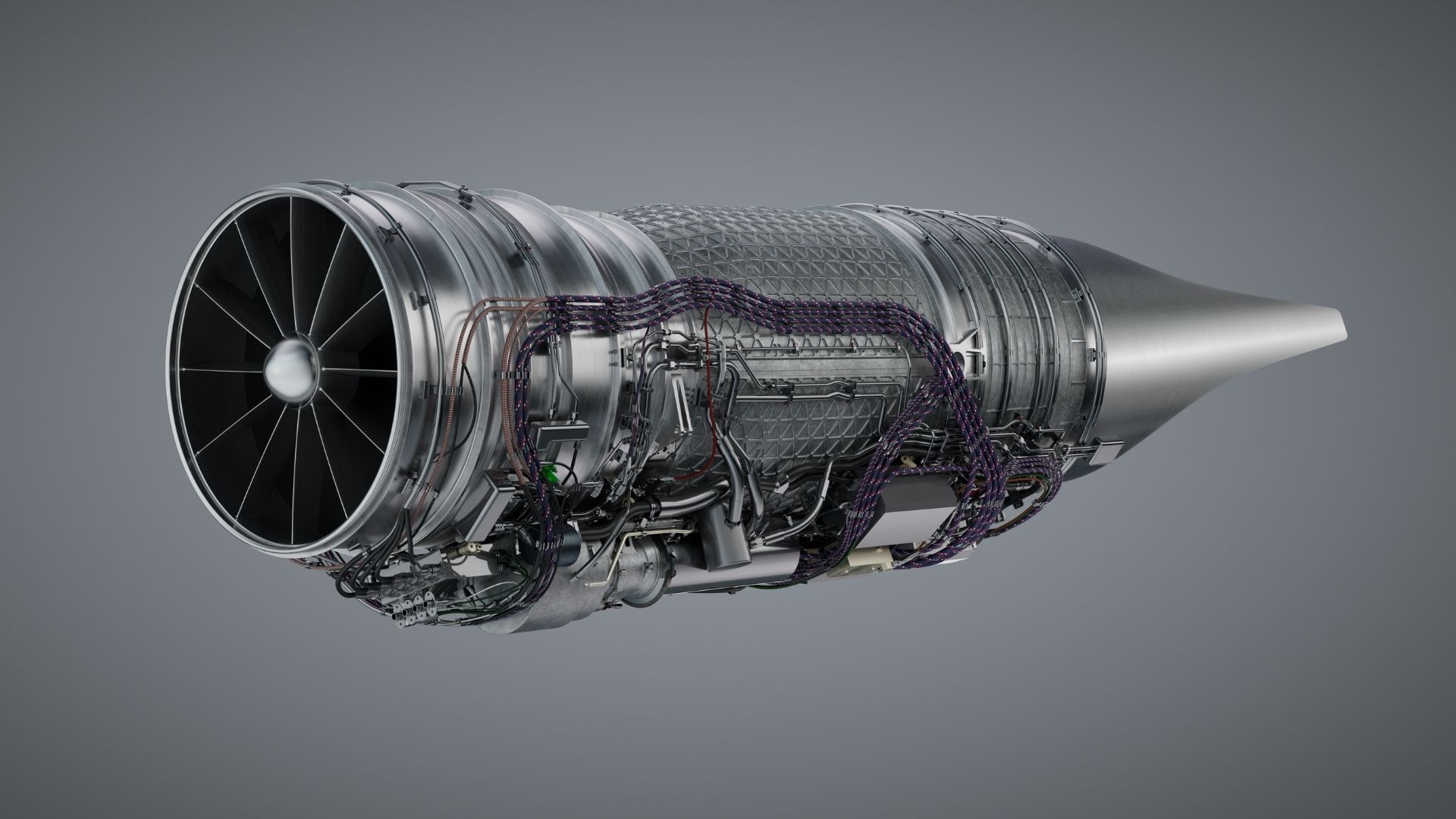
GE Aerospace is moving closer to assembling its XA102 adaptive cycle engine, a key technology being developed for the U.S. Air Force’s Next Generation Adaptive Propulsion (NGAP) program. The company says it is now working with suppliers to procure hardware and test individual components ahead of assembling the first XA102 test asset. The effort builds on GE’s earlier XA100 adaptive cycle engine program while introducing a more digitally driven approach to designing and manufacturing the new engine. A digital engine from design to assembly One of the most notable aspects of the XA102 program is not simply the engine architecture, but how GE plans to build it. The company is using model-based definition (MBD) instead of conventional two-dimensional engineering drawings. A machine-readable digital model contains the product definition and can be passed directly into downstream manufacturing and inspection processes. GE says the XA102 is its first engine to use this approach from design through assembly. The idea is to connect engineering, manufacturing and inspection through the same digital model, potentially reducing errors and shortening the time needed to move from design to hardware. The company is also working with suppliers to ensure they can use the same model-based data for manufacturing and inspection. GE previously demonstrated these model-based engineering processes during the first phase of the program. That could become increasingly important for advanced military engines, where complex components and relatively small production runs can make traditional manufacturing processes time-consuming and expensive. Building on the XA100 The XA102 is not GE’s first attempt at an adaptive cycle engine. Its predecessor, the XA100, went through extensive testing under the Air Force’s Adaptive Engine Transition Program. GE says the test campaign produced data on adaptive propulsion that is now being applied to the XA102, including lessons on thermal management, fuel efficiency, and engine design. Adaptive cycle engines are intended to change how they operate depending on the aircraft’s mission and flight conditions. GE has said the technology can provide future combat aircraft with greater range and substantially more thermal-management capability than today’s advanced combat engines. That thermal capacity could become particularly important as future aircraft carry increasingly power-hungry sensors, electronic systems and weapons. The XA102 is being developed under NGAP alongside Pratt & Whitney’s competing XA103. The Air Force program is intended to mature adaptive propulsion technologies for future air-dominance aircraft. Air Force budget documents describe NGAP as an effort to develop adaptive engine technologies that meet requirements for the next generation of combat aircraft. From digital model to physical engine GE’s latest announcement does not mean the XA102 is entering operational service. The company is still preparing the first test engine, with hardware procurement and component testing preceding assembly and eventual testing. The program nevertheless marks a transition from predominantly digital development toward physical engine hardware. The larger objective for GE is to combine the lessons learned from the XA100 with a manufacturing system that can move advanced propulsion designs into hardware faster. If the approach works as intended, the same digital thread connecting the XA102’s design, manufacturing, and inspection could also help the aerospace industry respond more quickly to future propulsion requirements.Get the latest in engineering, tech, space & science - delivered daily to your inbox.Kaif Shaikh is a journalist and writer passionate about turning complex information into clear, impactful stories. His writing covers technology, sustainability, geopolitics, and occasionally fiction. A graduate in Journalism and Mass Communication, his work has appeared in the Times of India and beyond. After a near-fatal experience, Kaif began seeing both stories and silences differently. Outside work, he juggles far too many projects and passions, but always makes time to read, reflect, and hold onto the thread of wonder.
GE moves closer to assembling futuristic fighter engine for US Air Force’s key program
Full Article
Original Source
Read the full article at Interestingengineering →KhanList aggregates and links to publicly available news content. We do not host full articles from third-party sources. Always verify important information with original sources.