
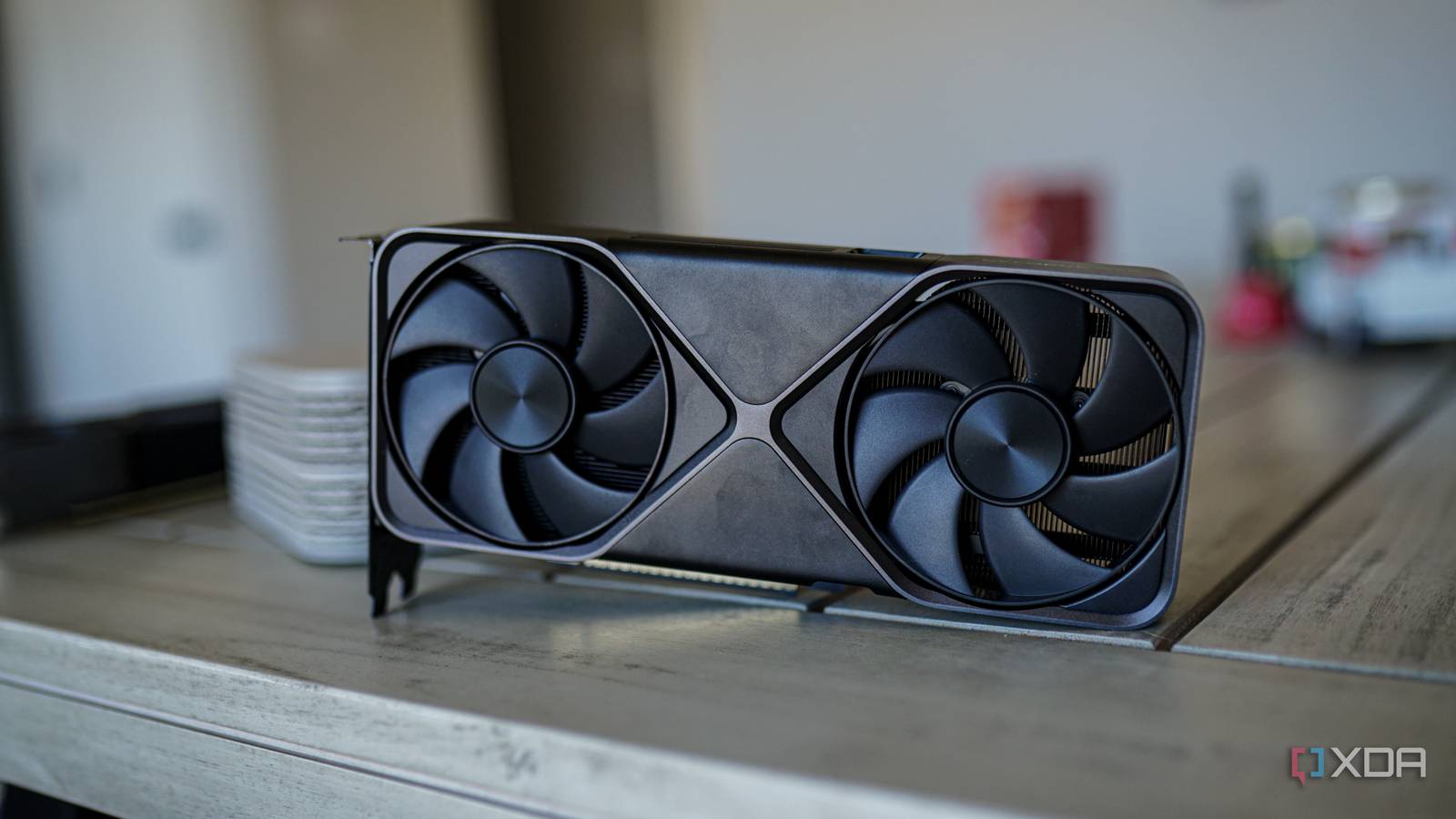
Published Aug 2, 2026, 12:00 PM EDT Abhinav pivoted from a career in banking to pursue his first love in writing. Even while working full-time, he continued contributing as an editor-at-large, a role he has held for more than 7 years. A lifelong tech enthusiast who has built three gaming and productivity powerhouse PCs since 2018, his passion for technology keeps him closely following the semiconductor industry, from NVIDIA and AMD to ARM. His MSc dissertation explored how artificial intelligence will reshape the future of work, reflecting his curiosity about the wider social impact of emerging technologies. 2026 has been an unusual year for PC hardware. We're halfway through the year, and so far, we have seen zero new discrete GPU architectures, a four-year-old Ryzen CPU make its way back to retail, an unprecedented NAND price hike, and become witness to perhaps the worst DRAM inflation cycle in recorded history. Just as the market was making peace with seeing no new architectures in the consumer graphics space, it seems like retail consumers will not even be seeing the highly anticipated Super refresh of Nvidia's Blackwell lineup this year. For anyone holding out for the true value tier of the GeForce RTX lineup like myself, there's an insult on top of the injury. The cards reportedly already exist, but Nvidia can't sell them just yet. The Titanium Super tier is the best value in Nvidia's GeForce RTX lineup I bought the upper-midrange argument, literally If knowing what I do for a living is any tell, it's rather obvious that I think deeply about the components I put in my PC. In January 2024, I bought the RTX 4070 Ti Super at full price alongside a Ryzen 5 7600X, and that's a purchase I have never regretted. The Ti Super tier didn't exist before this particular Ada Lovelace card arrived, but when it did, it redefined the upper-midrange segment altogether. It was a card that skipped the flagship tax, delivered raw rasterization capability within 15–25% of the RTX 4080 sitting above, and came with a generous, future-proof 16GB of memory on a wide 256-bit bus. Then, local AI inference took the world by storm, and little did I know, the GPU was already ready for it. That it would earn a second, parallel life as a robust inference card is something I didn't foresee when I swiped my credit card. Sixteen gigabytes now quite literally means the difference between running a quantized model comfortably versus constantly juggling context length to keep a session alive. The difference only became pronounced when one of my closest friends, running the 12GB RTX 4070 Ti, tried to load the same Mistral Small 24B model I use. His card spilled layers into the system RAM and struggled, but mine sailed as smoothly as it could. The Ti Super tier has always been the more versatile and calculated choice, because it buys headroom and power, arguably the two most important aspects when it comes to a GPU. Two and a half years on, that calculation still holds every bit whether it comes to keeping up with the rising VRAM requirements of 1440p gaming or running local AI models meant for the desktop, which is exactly why I expected Nvidia to hand the market a successor by now. The successor to the 4070 Ti Super seemingly exists, but Nvidia can't ship it The RTX 50 Super lineup is the newest casualty of the DRAM crisis According to a July 17 report from VideoCardz, at least one Nvidia board partner in touch with the publication has received finished GeForce RTX 50 Series Super cards. The hardware is physically present with the partner, past the prototyping journey, and is ready to ship. VideoCardz's source, however, added that Nvidia has instructed its AIBs to hold the products with no details relating to a release schedule. There is a likely factor for this alleged decision by Nvidia. The new RTX 50 Super lineup is rumored to be using 3 GB GDDR7 modules, and their scant availability is a plausible reason for the delay across the entire lineup. The squeeze would have been less of a problem if Nvidia still supplied their board partners VRAM chips, but that's something the GPU manufacturer no longer practices since the start of the memory crisis. Now, the board partners must source the chips themselves, which adds to the overall retail cost passed to consumers. The rest of the details make the case more convoluted. According to VideoCardz's supply chain sources, a 3GB GDDR7 module currently costs between $60 and $70, while the standard 2GB module sits at around $20. That is effectively triple the price for 50% more capacity, and across the 6–8 modules on each card, it adds hundreds of dollars to the bill of materials, as noted by Tom's Hardware. Reportedly, the four affected models will include the RTX 5080 Super and the 5070 Ti Super with 24GB of GDDR7 VRAM, the 5070 Super with 18GB, and the RTX 5050 9GB. The top two carry CUDA core counts identical to their base cards. What does this mean for the RTX 50 Super GPUs? A shaky launch, limited availability, and possibly unaffordable prices There's always room for reasonable doubt when it comes to supply chain rumors, but if the information is to be believed, the RTX 50 Super cards are off to a rocky start before they have even been announced. Board partners now have to shoulder two significant costs at once. They must independently procure the GDDR7 chips, and the specific chip this refresh depends on, which is the 3GB module, just so happens to be the one carrying a threefold markup for 50% more capacity. The VRAM allocation has always been the primary selling factor for the Super refresh, and for a card whose primary pitch is more memory, it cannot absorb a 3x increment to its price and still be considered a good deal. This is certainly going to have some adverse effects on the GPU market when the RTX 50 Super series eventually comes out. Putting aside the inevitable delay, the cards may launch at a price that's simply unviable for most consumers, and in quantities that make them inaccessible for a long time. The death of the upper mid-range? Perhaps what I find most regrettable is what all of this means for the 5070 Ti Super, and to the Ti Super tier as a whole. This is one category brought tangible premium capability for power users who dabble in video editing or 3D rendering workloads, or perhaps engage in gaming at high settings, at a non-flagship price. The VRAM pricing, and the overarching DRAM crisis, may have just killed the card before it hit the market.
GDDR7 pricing is holding the 50-Super series hostage, and it just cost me my next upgrade
Full Article
Original Source
Read the full article at Xda-developers →KhanList aggregates and links to publicly available news content. We do not host full articles from third-party sources. Always verify important information with original sources.