
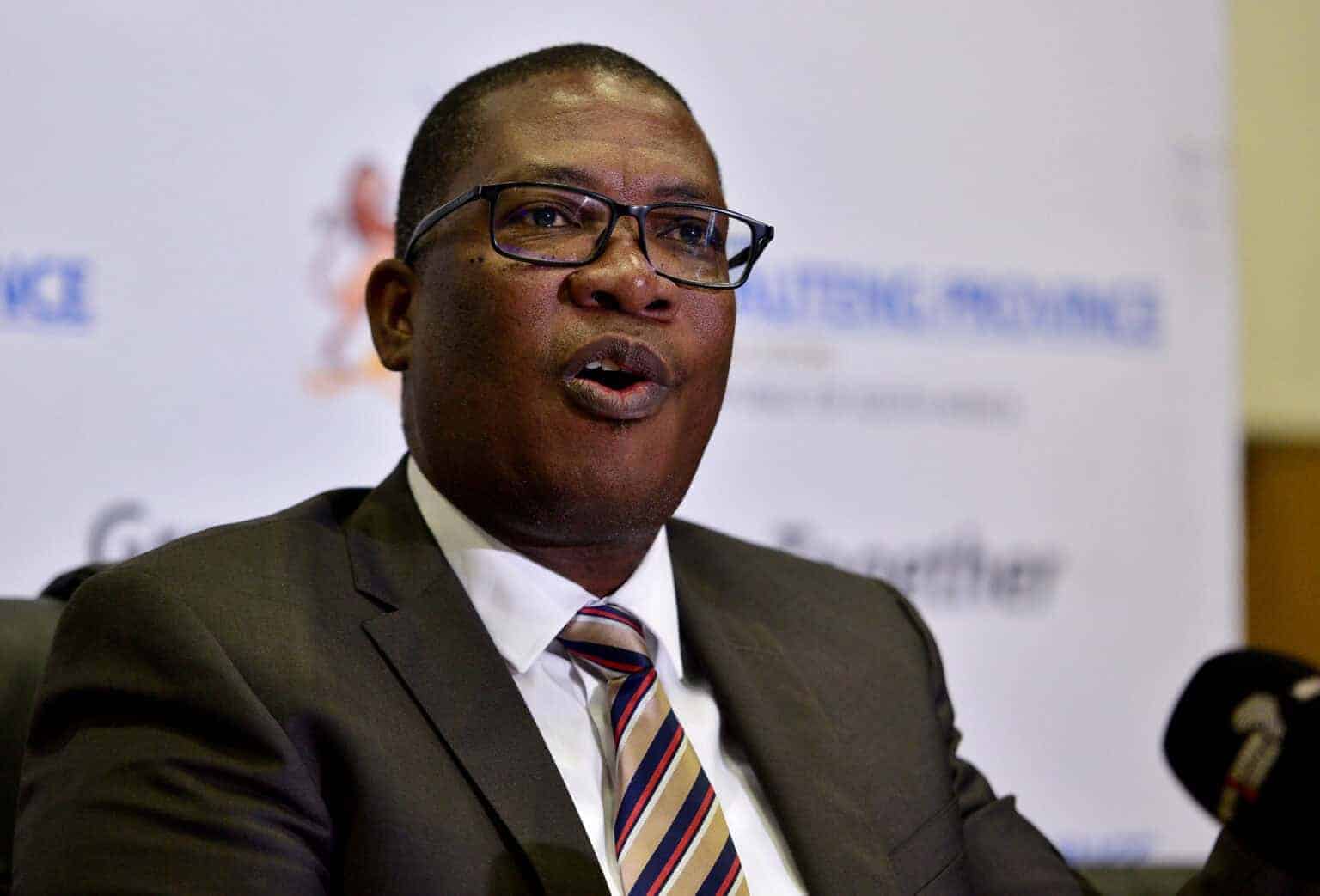
On Sunday, Lesufi updated the public on the province's response to the Presidential directives on GBV. Gauteng Premier Panyaza Lesufi has reported progress in the province’s fight against gender-based violence and femicide (GBVF). However, work remains to tackle other lingering challenges. On Sunday, Lesufi updated the public on the province’s response to the Presidential directives on GBVF. On 29 September 2026, President Cyril Ramaphosa addressed the nation on GBVF and issued four instructions: to launch a national drive to resolve outstanding cases of murder, attempted murder, rape and serious sexual offences against women and children; to clear forensic laboratory backlogs; to require municipalities to audit women’s safety in high-risk areas; and to introduce a coordinated plan to reduce alcohol-related violence. GBVF plan Lesufi said the province had deployed extra support to the 10 police stations with the highest numbers of rape cases. These stations include Rietgat, Alexandra, Mamelodi, Diepsloot, Ivory Park, Dobsonville, Midrand and Thembisa. Additionally, the province has deployed 1 022 GBVF response teams across 122 high-risk areas, added 56 social workers, strengthened seven specialised Sexual Offences Courts and 144 victim-friendly facilities, and fully involved the province’s 19 Medical Legal Clinics to safeguard forensic evidence. “Of the 67 specific directives across the five workstreams, 21 have been fully completed, 38 are underway, and eight have not yet started,” said Lesufi. “Encouragingly, four directives that previously recorded no progress have moved into implementation, reflecting continued advancement in the provincial response to GBVF since the mid-October review.” Case recovery Lesufi further confirmed that the provincial government has recovered crime kits from Thuthuzela Care Centres across all five districts. The kits have been collected and submitted to the Forensic Science Laboratory for processing. To strengthen evidence management, investigating officers are now required to carry crime kits to medical examinations to prevent delays and ensure that evidence is not left behind. “Further interventions are focused on reducing forensic waiting lists, improving police station intake compliance, recovering lost dockets and strengthening the monitoring and reporting of missing-persons cases,” said Lesufi. Forensic backlogs Lesufi said there are efforts to address forensic backlogs. The provincial government has established an Identification Task Team to conduct a digital fingerprint audit of unidentified women and children. Priority DNA and forensic samples relating to cases of rape and murder of women and children have been secured for focused attention. However, despite the progress, the province still lacks a forensic backlog baseline assessment and age profiling. These are targeted for completion by early November. “The province is also prioritising improved coordination, accountability and the timely implementation of outstanding directives. “Gauteng bears a significant share of our nation’s gender-based violence and femicide crisis, and we fully accept our duty to act. Moving forward, we remain dedicated to transparent reporting, swiftly resolving obstacles, and maintaining seamless coordination between provincial and national leadership. “Protecting our women and children is an absolute priority that demands immediate action. Delayed justice is no justice at all.”
GBVF: Gauteng ramps up interventions, but forensic backlogs remain – Lesufi
Full Article
Original Source
Read the full article at Citizen →KhanList aggregates and links to publicly available news content. We do not host full articles from third-party sources. Always verify important information with original sources.