
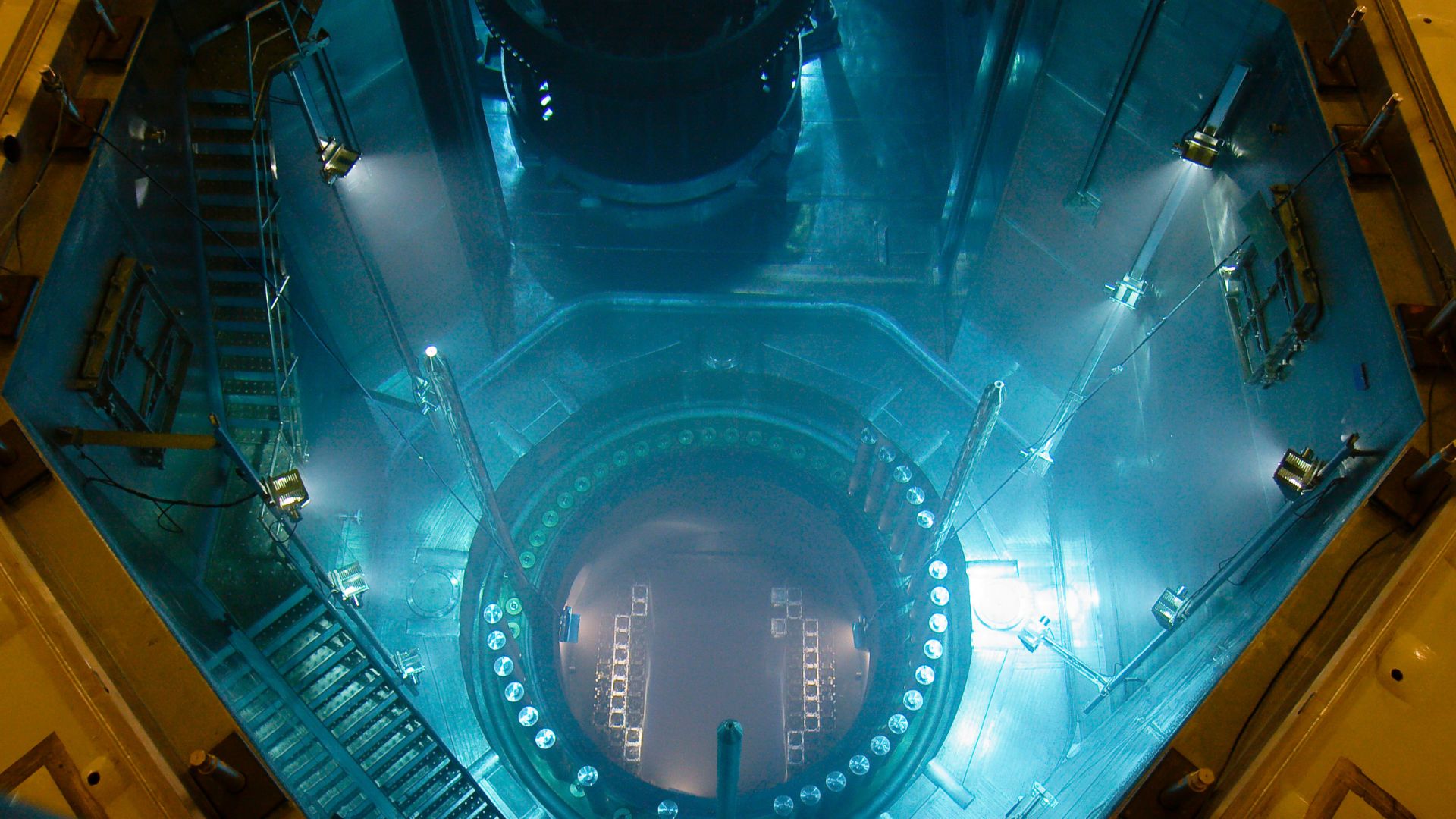
Nuvora Energy completed a pre-feasibility study and independent review for its proposed 300 MWth nuclear-hydrogen system. (Representational image)Getty Images Advanced nuclear developer Nuvora Energy has completed a pre-feasibility study (PFS) and an independent third-party review for a proposed 300 MWth high-temperature gas-cooled reactor (HTGR) integrated with a solid oxide electrolysis cell (SOEC) hydrogen production system. Rather than representing a green light for construction, the milestone marks an early step in the project’s development. According to the company, the independent review found no immediate technical or regulatory fatal flaws at the pre-feasibility stage, allowing the project to move toward more detailed engineering and a full feasibility study. A reactor designed for both electricity and hydrogen Unlike conventional nuclear power plants that are primarily designed to generate electricity, Nuvora’s proposed platform combines a 300-megawatt thermal (MWth) prismatic HTGR with a high-temperature hydrogen production facility. High-temperature gas-cooled reactors operate at much higher temperatures than traditional water-cooled reactors, making them attractive not only for electricity generation but also for industrial processes requiring large amounts of heat. One of those applications is solid oxide electrolysis (SOEC), a hydrogen production technology that uses both electricity and high-temperature steam to improve efficiency compared with conventional electrolysis. According to the company, the platform is intended to switch flexibly between electricity generation and hydrogen production depending on customer demand and market conditions. What the review actually found The independent assessment was carried out by DBD International, which reviewed the project’s technology, licensing pathway, and commercial framework. According to Nuvora, the review concluded that no immediate technical or regulatory fatal flaws were identified during the pre-feasibility stage and that the study provides a sufficient basis to proceed toward a Full Feasibility Study (FFS). Importantly, the company stressed that the review does not represent regulatory approval, a final investment decision, proof that the project is financeable, or authorization to begin construction. Instead, it serves as an early-stage engineering checkpoint intended to identify major issues before more detailed design work begins. Why pair nuclear reactors with hydrogen? Interest in coupling advanced nuclear reactors with hydrogen production has grown rapidly in recent years. High-temperature reactors can produce both electricity and industrial heat, allowing them to power high-temperature electrolysis systems that require less electrical energy than lower-temperature hydrogen production methods. This flexibility could enable operators to generate electricity during periods of strong grid demand while diverting heat and power toward hydrogen production when market conditions make it more attractive. The approach is increasingly being explored as a way to improve reactor utilization while supplying low-carbon hydrogen for industries such as steelmaking, chemicals, refining, and heavy transportation. Moving into the next phase With the pre-feasibility work complete, Nuvora plans to begin pre-concept design, concept design, and a Full Feasibility Study, which will run in parallel. The company informed that the next stage will focus on developing project-specific engineering, licensing strategies, cost estimates, scheduling, market validation, and risk assessments. The company also said independent technical, regulatory, safety, and commercial reviews will continue as the design matures. Although significant engineering, licensing, financing, and regulatory work remains before any potential deployment, the completion of the pre-feasibility study represents another step in the broader effort to develop advanced nuclear systems capable of producing both reliable electricity and low-carbon hydrogen from a single integrated platform.Recommended ArticlesGet the latest in engineering, tech, space & science - delivered daily to your inbox.Kaif Shaikh is a journalist and writer passionate about turning complex information into clear, impactful stories. His writing covers technology, sustainability, geopolitics, and occasionally fiction. A graduate in Journalism and Mass Communication, his work has appeared in the Times of India and beyond. After a near-fatal experience, Kaif began seeing both stories and silences differently. Outside work, he juggles far too many projects and passions, but always makes time to read, reflect, and hold onto the thread of wonder.
Gas-cooled 300 MW hybrid reactor for electricity, hydrogen clears early review
Full Article
Original Source
Read the full article at Interestingengineering →KhanList aggregates and links to publicly available news content. We do not host full articles from third-party sources. Always verify important information with original sources.