
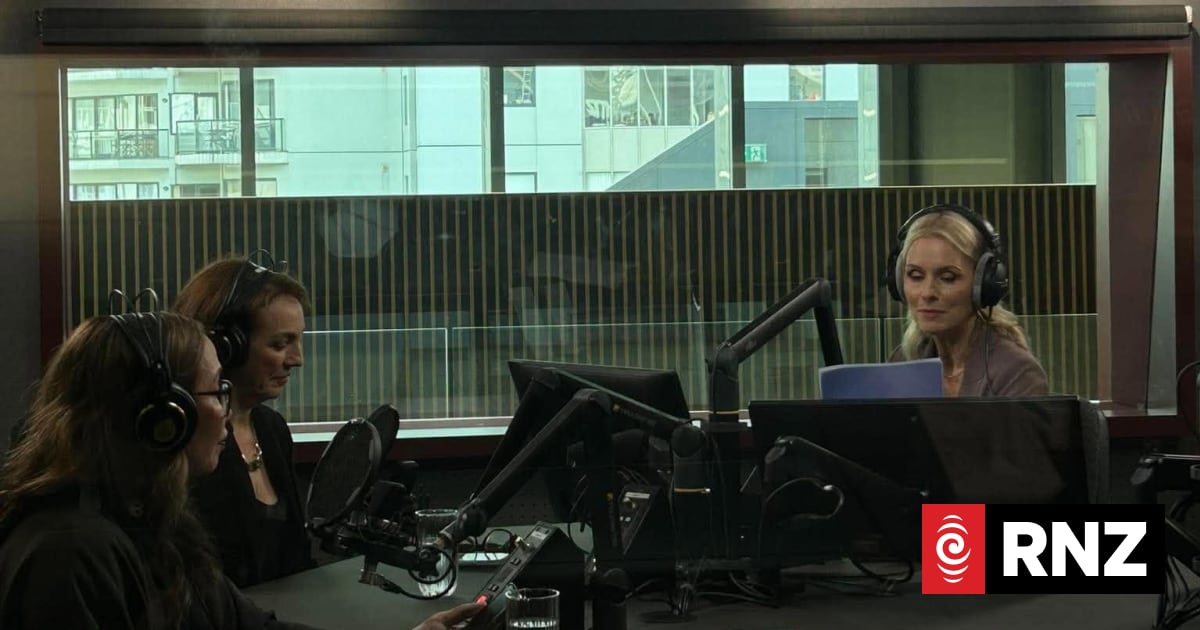
Two Te Pāti Māori candidates caught up in the controversial gang meeting have emerged as the party's strongest performers this election, raising questions about how Māori voters view political engagement with gangs.Mata producer Annabelle Lee-Mather said Oriini Kaipara had worked incredibly hard in her electorate, meeting with the Sikh community, visiting every kura kaupapa and dramatically increasing her winning margin.Lee-Mather said it's significant that Kaipara and Hana-Rawhiti Maipi-Clarke, the party's two strongest performers, were both at the centre of the gang meeting controversy.She said their results suggested Māori voters had a different set of values when it came to who their MPs engaged with and how they approached issues involving gangs. Rather than being punished at the ballot box, both candidates appeared to have been rewarded for their mahi.Former senior parliamentary staffer Jason Ake agreed that too much energy had been wasted fighting over deck chairs on the same side of politics, pointing to the gang controversy as an example of unnecessary division.Meanwhile, Te Tai Tokerau remains on a knife-edge, with Te Pāti Māori's Aperahama Edwards holding a narrow 436-vote lead over Green MP Hūhana Lyndon five days after election night.Ake said the result was critical for the balance of power in Parliament. If the seat flipped to the Greens, the left could lose a seat from its overall parliamentary bloc.He described Te Tai Tokerau as a bellwether for Māori politics. When Te Tai Tokerau moved he said, Māori across the country often moved with it.Five days after a marathon election night, Mata host Mihingarangi Forbes is joined by veteran political journalist Tina Wickliffe, Ake and Lee-Mather to unpack the overhangs, hangovers and political headaches.Who's left standing, who's nursing a sore head, and what does it all mean for Māori?Mata host Mihingarangi Forbes (C) with producer Annabelle Lee-Mather (L) and political journalist Tina Wickliffe.MataTe Pāti Māori's comeback saw the party win five of the seven Māori electorates. Wickliffe said the result demonstrated the party still had significant support in its electorates, but now was the time for a reset. She believed Te Pāti Māori should consider repositioning itself on Parliament's crossbenches.The election also saw former Te Pāti Māori MPs Tākuta Ferris and Mariameno Kapa-Kingi fail to return to Parliament after being pushed out of the party and attempting political comebacks under new banners.Ake wasn't surprised Ferris lost Te Tai Tonga, pointing to the electorate's strong Labour history.Kapa-Kingi's newly established Te Tai Tokerau Party also failed to gain traction. Wickliffe said West Auckland voters, who made up the southern end of the electorate, were unlikely to back a Northland-branded party.Lee-Mather said the sheer size of the Māori electorates made party infrastructure critical. Candidates needed established networks to carry their message into every nook and cranny. When Te Pāti Māori imploded, Ferris and Kapa-Kingi lost much of the machinery and support they needed to compete.With Te Tai Tokerau still undecided, the panel examines what the election tells us about Māori political power, party loyalty and the road ahead.
Gang controversy fails to dent support for Te Pāti Māori's top performers
Full Article
Original Source
Read the full article at Rnz →KhanList aggregates and links to publicly available news content. We do not host full articles from third-party sources. Always verify important information with original sources.