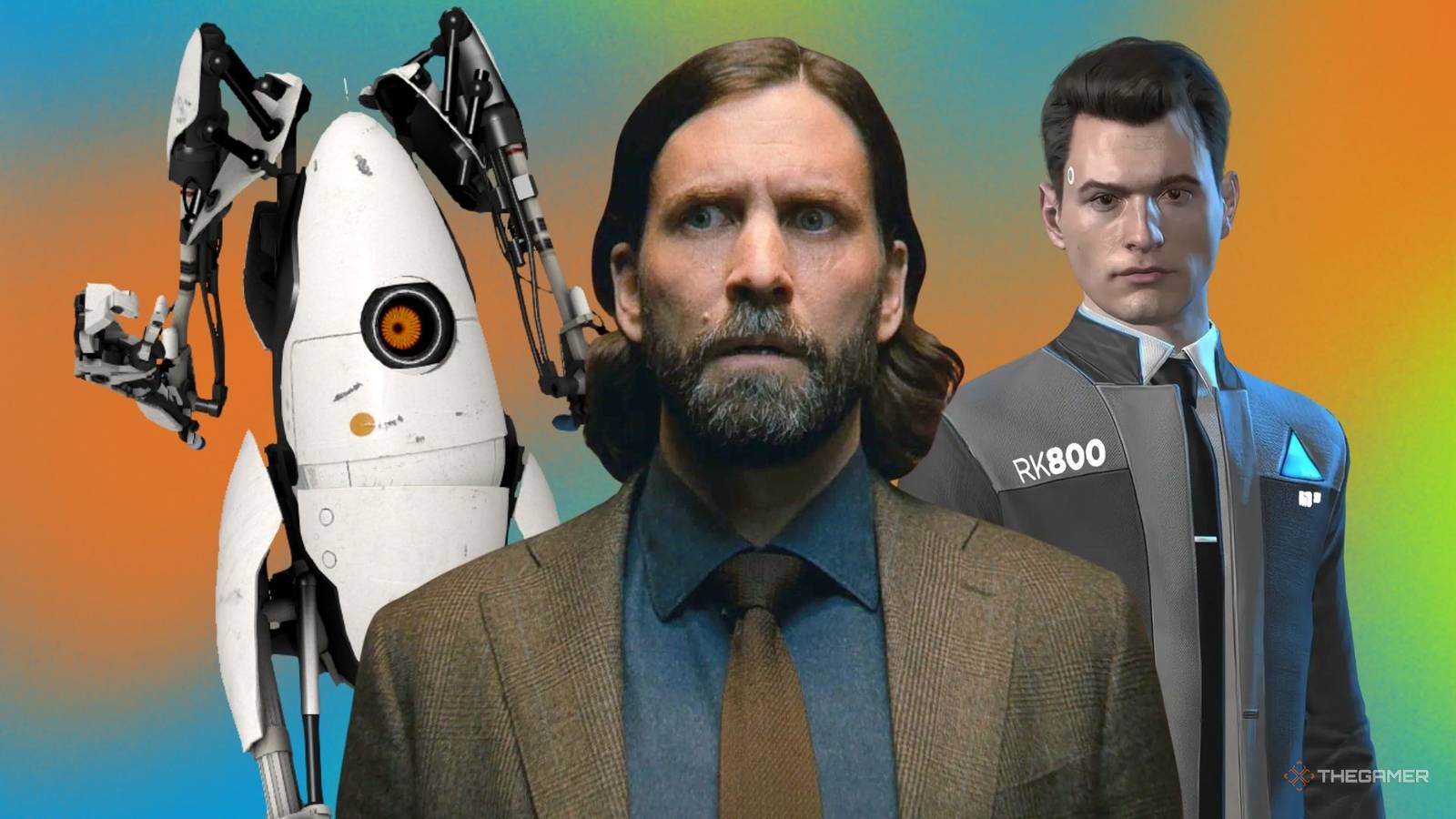
Published Jul 31, 2026, 12:48 AM EDT Allyson Cochran is an Editor at TheGamer who has worked as a journalist since 2020 and in games journalism since 2022. She holds a bachelor’s degree in journalism and focuses primarily on guides, previews, and developer interviews, with particular expertise in cozy indie games and live-service FPS titles. She has interviewed numerous game directors, including those of games like Overwatch and Dead by Daylight. Allyson has written and edited thousands of guides, and she genuinely loves every minute of it. Open worlds are everywhere these days. If a game isn't asking you to climb towers or spend 80 hours riding between objectives, it almost feels like an exception. But bigger doesn't always mean better. Some of gaming's best experiences work because they're tightly paced and know exactly when to move you onto the next unforgettable moment. Trying to stretch every great game into an open-world adventure would often dilute what made it special in the first place. These games prove that sometimes less really is more. Call Of Duty Campaigns For all the criticism Call of Duty gets, its campaigns are still great at pacing. They're essentially playable action movies. They bounce you from one spectacular set piece to another without ever letting the adrenaline wear off. That's exactly why turning them into an open world would be a mistake. Imagine finishing a dramatic military assault only to spend the next 20 minutes driving across a giant map to your next objective while stopping to clear enemy outposts for extra XP. Modern Warfare's stealth missions and even Infinite Warfare's space battles all benefit from carefully controlled pacing. A massive sandbox would only create downtime between the moments everyone actually remembers. Dispatch Dispatch succeeds because it feels like an interactive television series. Every conversation and relationship builds naturally into the next scene. It keeps you invested in the characters instead of distracting you with busywork. Expanding that formula into an open world would fundamentally change the experience. Instead of eagerly seeing what happens next, you would inevitably spend hours wandering around completing optional errands before returning to a conversation you barely remember starting. Games centered on dialogue need momentum. Every choice gains weight because you're constantly dealing with its consequences. Dispatch's appeal comes from its focused storytelling, not exploration. Sometimes it's okay for a game to simply guide you through a fantastic narrative without asking whether you'd also like to spend an hour finding hidden collectibles scattered across rooftops first. Marvel's Guardians Of The Galaxy One of Marvel's Guardians of the Galaxy's strengths is how entertaining it is. The banter never stops, and the game's story pushes the crew into increasingly ridiculous situations. An open world would completely disrupt that rhythm. Half the fun comes from hearing Rocket argue with Star-Lord while Drax misunderstands another metaphor. Those conversations happen because the game is always moving forward. If you had to spend hours exploring a massive alien planet, those carefully scripted interactions would either repeat endlessly or disappear altogether. Neither outcome is particularly appealing. There's also no need for sprawling exploration when every level already feels handcrafted. South Of Midnight Compulsion Games South of Midnight uses its linear structure to have an almost storybook quality. Every chapter adds a new piece of Southern folklore and another beautifully crafted environment that feels designed rather than procedurally filled. Making it open-world would risk turning magical discoveries into routine checklist items. Instead of stumbling upon mythical beings at exactly the right narrative moment, you'd probably encounter them after clearing five optional camps and gathering crafting resources from glowing plants. Not every fantasy world needs to become an enormous playground. South of Midnight succeeds because it always knows where you're going next. Stray Part of Stray's charm comes from seeing the world through the eyes of a cat. Every alleyway and apartment is densely packed with details that reward curiosity without ever becoming overwhelming. A traditional open world would actually make the experience feel less believable. Cats don't need enormous maps to be entertaining. They can spend an hour obsessing over one cardboard box. Stray's environments are compact but layered. You can squeeze through vents, leap across rooftops, and knock objects onto the floor simply because that's what cats do. Expanding everything would only create unnecessary empty space between those delightful interactions. Sometimes being a cat means taking the direct route, even if it includes stopping to knock over a paint can first. Life Is Strange Life is Strange has always been about relationships, not exploration. Every episode builds tension through conversations and difficult consequences that linger. An open world would distract from what gamers care about. Instead of wondering how Chloe will react to your latest decision, you'd be wondering whether it's worth driving across town to collect another optional photograph. Smaller environments also reinforce the intimacy of the story. Arcadia Bay feels like a real town because you gradually become familiar with its school, diner, junkyard, and neighborhoods rather than wandering through an oversized map full of repetitive activities. Bigger maps wouldn't make those moments more meaningful; they'd just put more walking between them. Detroit: Become Human Detroit: Become Human is an interactive thriller where every decision pushes the narrative toward one of dozens of possible outcomes. Open-world design would only weaken that urgency. Picture Connor racing to stop a suspect before casually spending two hours completing optional side missions across Detroit. Each playable character also benefits from directed storytelling. Markus, Kara, and Connor all follow distinct arcs that intersect at carefully chosen moments. Unrestricted exploration would make those narrative threads much harder to maintain without sacrificing pacing. The game's branching structure already offers enormous replay value through different decisions and endings. It doesn't need hundreds of optional distractions on top of that. Alan Wake 2 Few horror games understand pacing as well as Alan Wake 2. Every forest trail and surreal nightmare exists to keep players constantly on edge. The game knows when to let you breathe and when to take that comfort away. Open worlds rarely create that same level of sustainability. Once players can freely roam, horror inevitably becomes predictable. You know when danger is likely because you've chosen when to approach it. Alan Wake 2 manipulates expectations by controlling where players go and what they see next. That's essential to its psychological storytelling. Wandering around Bright Falls collecting optional upgrades for several hours would only dilute the oppressive atmosphere Remedy worked so carefully to build. Portal And Portal 2 The entire Portal series is built around one simple philosophy: every puzzle teaches you something before immediately asking you to use that knowledge in a smarter way. It's one of the best examples of game design ever created. Now think about how interrupting that elegant progression with a massive open world would work. Instead of moving from one test chamber to the next, you'd spend your time wandering laboratories searching for whichever puzzle happens to unlock the next objective. Not every scientific experiment needs to become a sprawling sandbox. Especially when the cake still isn't there. The Last Of Us Part 1 And Part 2 In The Last of Us, every abandoned street and infected zombie is placed to reinforce the journey Joel, Ellie, and Abby are experiencing. The environments may look expansive, but they're always guiding players toward the next story beat. A full open world would undermine almost everything that makes the series exceptional. The narrative constantly emphasizes urgency, whether it's escorting Ellie across America or pursuing revenge at any cost. The Last of Us shows that directed experiences can feel just as immersive as any sandbox, sometimes even more so.
Games That Should Never Become Open World
Full Article
Original Source
Read the full article at Thegamer →KhanList aggregates and links to publicly available news content. We do not host full articles from third-party sources. Always verify important information with original sources.