
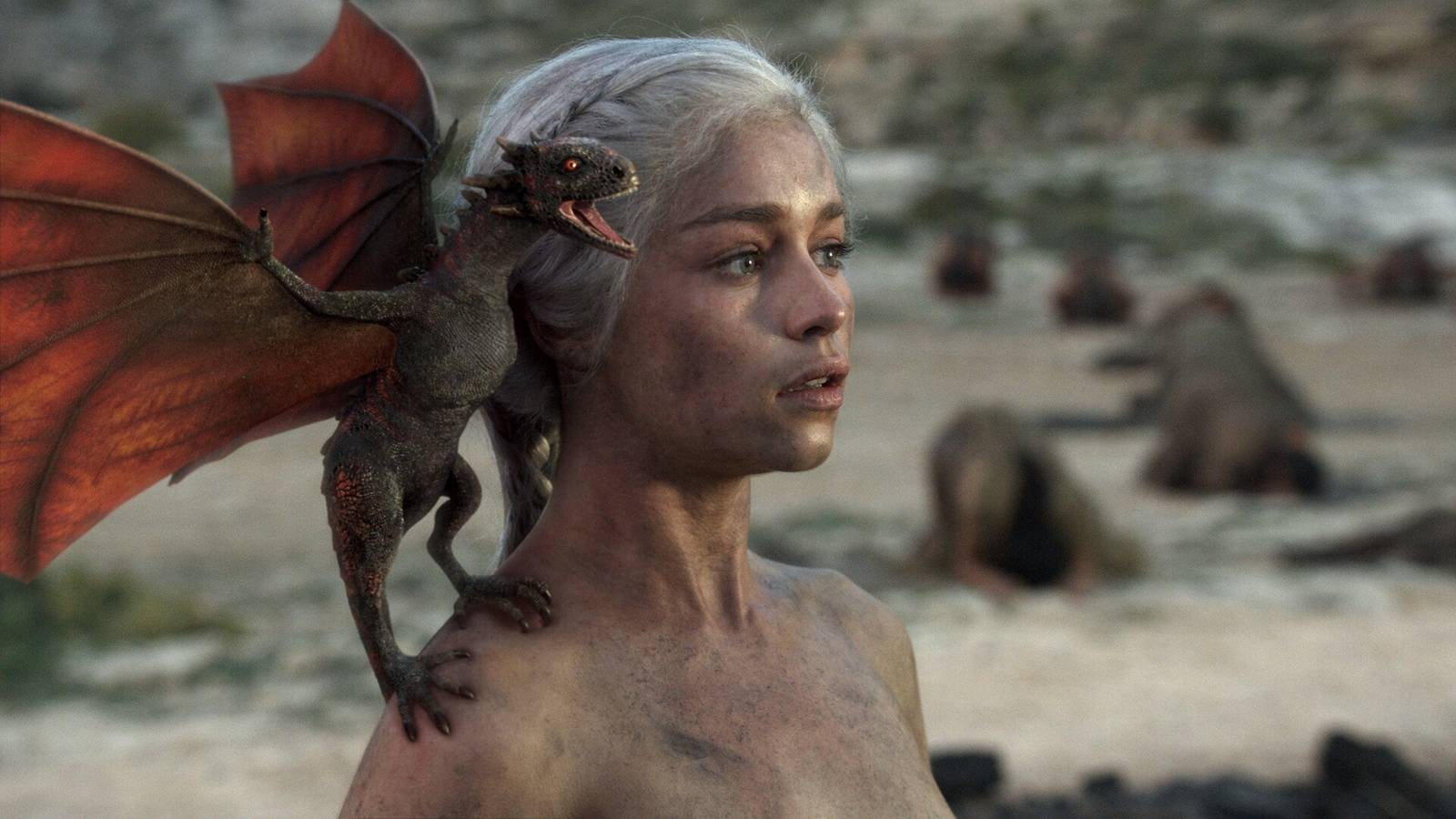
Published Aug 24, 2026, 7:00 PM EDT Hannah is a senior writer and self-publisher at ScreenRant. There, she focuses on writing news, features, and list-style articles about all things comics, books, anime, and manga. She works as a freelance writer in the entertainment industry, focusing on video games, anime, and literature. Her published works can be found on Screen Rant, FinanceBuzz, She Reads, and She Writes. Fantasy stories are usually built around the promise that magic makes the impossible feel beautiful. Coda flips that idea on its head. Simon Spurrier and Matías Bergara’s 2018 BOOM! Studios series takes a once-wondrous world after an apocalypse has stripped away nearly all its magic, leaving behind a hostile wasteland where the remains of fantasy are often grotesque, dangerous, or simply absurd. Across 12 issues, Coda follows Hum, an antisocial former bard traveling through this shattered landscape to save the soul of his wife, Serka. That emotional hook gives the series a surprisingly human center, while its ruined kingdoms, monstrous creatures, and power struggles create the kind of brutal fantasy atmosphere that feels like Game of Thrones colliding with The Witcher. A Fantasy World After the End What makes Coda immediately distinctive is the way it treats fantasy as something that has already lost. Dragons, magical creatures, and legendary wonders still haunt the setting, but they are shadows of what they once represented. Instead of presenting a pristine realm waiting to be explored, Spurrier builds a world where every spectacular detail carries evidence of catastrophe. The premise also makes the fantasy series darker than its colorful artwork initially suggests. Hum is not chasing glory, a throne, or some grand heroic destiny. He is desperately trying to recover Serka, while circumstances pull him into a violent struggle over who controls the remnants of the world. That personal motivation keeps the epic stakes emotionally grounded. Hum Is the Perfect Dark-Fantasy Hero Hum’s journey gives Coda its strongest Witcher-like quality, because survival repeatedly matters more than heroism. He relies on instinct, sarcasm, experience, and whatever resources he can scrape together. Alongside him is a foul-tempered mutant unicorn, a deliberately warped version of the noble fantasy companion. The result is funny, grimy, and frequently unsettling without losing its sense of adventure. The series also understands the political brutality associated with prestige fantasy. Coda introduces competing settlements and forces, including Dryfleet, Thundervale, and Ridgetown, while Hum becomes entangled in a conflict that could determine the wasteland’s future. Rather than romanticizing its ruined world, the story shows that desperation breeds manipulation, violence, opportunism, and terrible choices. The Artwork Makes Coda Impossible to Forget Bergara’s art is arguably the biggest reason Coda feels unlike ordinary post-apocalyptic fantasy. The pages can move from dusty wastelands and skeletal remains to explosive colors, strange monsters, and enormous action sequences without losing visual coherence. His designs preserve the recognizable shapes of classic fantasy while twisting them into something harsher, stranger, and occasionally grotesque. That visual contrast is especially effective because Coda refuses to become relentlessly miserable. The book can stage a genuinely threatening scene and then undercut it with bizarre humor, exaggerated character expressions, or a ridiculous creature. This tonal flexibility keeps the apocalypse from becoming monotonous and reinforces the series’ larger idea: a broken fantasy world can still be weirdly alive. Spurrier’s writing complements that visual unpredictability with dry humor and cynical dialogue. Hum feels like someone exhausted by the myths surrounding him, which makes his interactions with the larger fantasy machinery especially entertaining. The script constantly questions heroic archetypes while still understanding why those archetypes matter, giving the story more substance than a simple genre parody. The creative team also makes the world feel dense without burying the reader in exposition. Much of Coda’s history is communicated through visual clues, unusual character behavior, and the consequences of the apocalypse rather than lengthy explanations. By making the audience reconstruct what was lost, the series turns its setting itself into part of the mystery. For readers looking for a dark fantasy that delivers more than swords and monsters, Coda remains an unusually ambitious 12-issue story. It combines the ruthless political atmosphere of Game of Thrones, the monster-haunted grime of The Witcher, and a post-apocalyptic visual identity all its own. More importantly, its broken world still leaves room for hope, love, and survival.
Game of Thrones Meets The Witcher In The 12-Part Dark Fantasy Masterpiece That's Flawless
Full Article
Original Source
Read the full article at Screenrant →KhanList aggregates and links to publicly available news content. We do not host full articles from third-party sources. Always verify important information with original sources.