
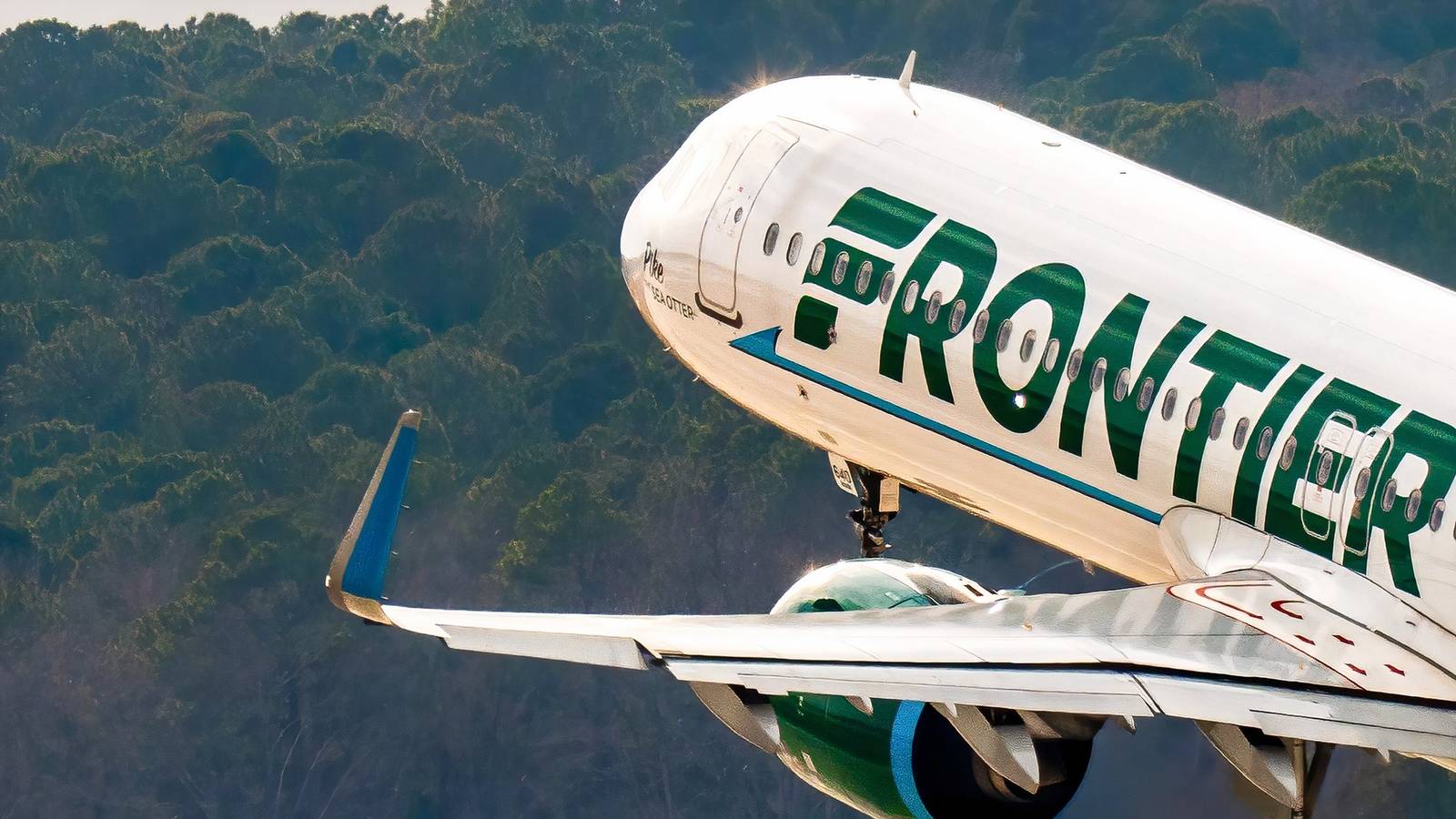
Credit: Wileydoc | Shutterstock Published Sep 28, 2026, 5:57 PM EDT Jack comes to Simple Flying with a lifelong interest in all things aviation. He holds a degree in Aerospace Engineering from Georgia Tech, and is a certified private and remote pilot. Beyond these experiences, Jack previously worked for a corporate flight department where he gained first-hand experience in the world of business aviation. Currently, Jack works in the professional services industry and continues to build his flight hours outside of work. Sign in to your Simple Flying account A Frontier Airlines flight attendant has come under criticism after a passenger filmed the crew member filling empty water bottles from an aircraft galley dispenser during a flight from Los Angeles International Airport (LAX) to Denver International Airport (DEN). The passenger, Erica Mena, posted the 43-second video to X on September 25, identifying the service as Frontier flight F9 2342. She raised concern about why water from the aircraft's onboard system appeared to be going into bottles that would then be handed to passengers. The video does not establish whether the bottles were actually presented to passengers as commercially bottled water, or whether the practice violated Frontier's procedures. It does, however, highlight a longstanding issue surrounding aircraft potable-water systems. Water loaded onto an aircraft is regulated as drinking water, but it is stored in onboard tanks and distributed through aircraft plumbing, creating different maintenance considerations from sealed bottled water. The US Environmental Protection Agency requires airlines to monitor these systems and maintain approved disinfection and flushing programs. What The Video Shows Credit: Chris Allan | Shutterstock The footage shows a Frontier crew member using a galley water dispenser to fill plastic water bottles. According to Mena's account, the bottles were being prepared for distribution during the Los Angeles to Denver flight. View From the Wing reported that the passenger objected to aircraft tank water being used in bottles that appeared to resemble bottled water. The available reporting does not establish why the flight attendant was filling the bottles, whether they were intended for passengers, or whether the bottles had previously contained commercially bottled water. Frontier has also not publicly explained the circumstances in the sources reviewed for this report. The criticism centers largely on passenger expectations. Travelers generally associate sealed bottled water with water that has remained isolated from an aircraft's onboard plumbing. Seeing a crew member transfer water from a galley dispenser into an empty bottle can therefore create the impression that the airline is presenting tap water as bottled water, even though the video alone does not establish that this occurred. Aircraft Water Is Regulated, But Not Like Bottled Water Aircraft drinking water is subject to a dedicated federal framework. The EPA's Aircraft Drinking Water Rule requires covered carriers to maintain aircraft water-system inventories, sampling plans, disinfection and flushing procedures, and corrective actions when testing identifies problems. The FAA oversees airline operation and maintenance programs, while the FDA regulates aspects of water used in food and beverage preparation and the equipment used to supply aircraft. The regulatory system exists because aircraft water systems present challenges that ordinary municipal systems do not. Aircraft can take on water at different airports, use temporary hoses and servicing equipment, and move between destinations throughout the day. The EPA has specifically identified the quality of water boarded at airports, the equipment used to transfer it, and maintenance of onboard plumbing as factors affecting water quality. Historical EPA testing demonstrates why aircraft water has received scrutiny. In a 2004 sampling program, the agency found total coliform bacteria in 17.2% of 169 randomly selected passenger aircraft. Earlier testing found 12.7% of 158 aircraft positive for total coliform, with two also testing positive for E. coli. Those findings helped lead to the regulatory framework now governing aircraft drinking water. Frontier's Water Record Provides Additional Context Credit: Karolis Kavolelis | Shutterstock Frontier's broader water-quality record is more favorable than the viral video might suggest. A 2026 study from the Center for Food as Medicine and Longevity analyzed more than 35,000 aircraft-water samples collected from October 2022 through September 2025. Frontier received a 4.80 out of 5 water-safety score, with 13 of 952 tested locations producing total-coliform-positive results, a rate of 1.37%. The study recorded no maximum-contaminant-level violations for E. coli for Frontier. Separately, Simple Flying highlighted data indicating that approximately 3% of aircraft-water tests in the underlying regulatory record were positive for total coliform bacteria. That figure should not be interpreted as meaning 3% of passengers are exposed to unsafe water, nor does detection of total coliform automatically mean disease-causing bacteria are present. The EPA describes total coliform as an indicator that other potentially harmful pathogens could be present. The incident therefore raises a question of transparency as much as water quality. Aircraft tap water is intended to meet applicable drinking-water requirements, but passengers may reasonably expect water described or presented as bottled to come from a sealed commercial container. Without further information from Frontier, the video establishes an unusual service practice, but not evidence that passengers were given contaminated water or that the airline breached federal safety requirements.
Frontier Airlines Flight Attendant Criticized For Filling Empty Water Bottles With Tap Water
Full Article
Original Source
Read the full article at Simpleflying →KhanList aggregates and links to publicly available news content. We do not host full articles from third-party sources. Always verify important information with original sources.