AN ISA could help turbocharge your savings by protecting your returns from tax – but how do these accounts work, and which one is right for you? Individual Savings Accounts have been around since 1999, but many people remain unsure about the rules. Here we take you through everything you need to know. ISAs are a great way to save and grow your money tax-free if you know how to use them There are a raft of changes coming to ISAs in 2027 Credit: Getty Just hearing the term “ISA” can put off even the savviest savers and leave you missing out on the best returns on your nest eggs or investments. Sarah Coles, head of personal finance at AJ Bell, said: “It’s easy to assume that everyone else knows all about them. Sign up for the Money newsletter Thank you! “But search data shows that’s not the case: an awful lot of people have unanswered questions. “Nobody should feel bad about this, because not only have most people never been taught about these things, but the rule changes have flowed thick and fast, so it’s hard to keep up.” And more change is on the horizon, meaning even those in the know will have new rules to learn. A raft of changes is planned for April 2027, including a lower Cash ISA limit for many savers. So prepare to get schooled as we answer ten of the most common ISA questions, including how to choose the right account and what is changing next year. Claim your FREE £250 wallet audit (AD) Are you sure your money, savings and retirement plans are on the right track? * If you click on this link we will earn affiliate revenue Don’t let inflation quietly shrink your nest egg. Award-winning independent financial advice firm Kellands Chartered Financial Planners are offering Sun Money readers a free one-hour consultation with their experts worth £250. Let the pros look at your savings, pensions, and goals to make sure your money is working as hard as you do. Secure your free session today Kellands (Hale) Limited is authorised and regulated by the Financial Conduct Authority. FCA Firm Reference No. 193498 1. What is an ISA? ISA stands for an Individual Savings Account Credit: SWNS ISA stands for Individual Savings Account. Most read in Money It is essentially a tax-efficient wrapper that can hold your cash or investments. You can currently pay up to £20,000 into adult ISAs each tax year. You will not pay UK income tax or capital gains tax on returns generated inside them. Capital gains tax is the money you pay to HMRC when you sell something that has gone up in value, such as stocks and shares. So using an ISA is a great way to start investing tax-free. You will also not pay income tax on interest earned inside a Cash ISA. HMRC will still know you have an ISA because providers are required to report information to the tax authority. With an ordinary savings account, basic-rate taxpayers can currently earn up to £1,000 in savings interest each tax year without paying tax. Higher-rate taxpayers receive a £500 personal savings allowance, while additional-rate taxpayers do not receive one. Sarah said: “If you save in a Cash ISA instead, it doesn’t matter how much interest you make, you never have to pay tax on it. “Similarly, if you invest outside an ISA, if you bust your dividend allowance you’ll need to pay tax on dividends and if you make more capital gains than your annual exempt amount you’ll need to pay that tax too. “Inside a Stocks and Shares ISA, it makes no difference how much you make in profit or dividends, you never have to pay these taxes.” But there is more than one kind of ISA – and each works differently. 2. What are the different types of ISA? There are five main types of Isa, including a Lifetime Isa Credit: Getty There are five main types of ISA available. Cash ISA A Cash ISA is a tax-free savings account that allows you to earn interest on your money without paying income tax on it. Your money is held as cash rather than invested in the stock market. Cash is generally less risky than investing because its value does not move with the stock market. However, inflation can reduce its spending power over time, while some accounts may impose penalties for early withdrawals. Returns from cash are also often lower than the potential returns available from investing over long periods, although investment growth is never guaranteed. A Cash ISA can be a good option if you are saving for the short term, such as for a new car or holiday, or building an emergency fund. Sarah said: “This is basically a savings account within an ISA wrapper, so all your interest is tax-free.” What are the current best cash ISA rates? YOU should look for an ISA that gives you the best interest rate if possible - but also check if there are any extra terms and conditions. Trading 212 – 4.71% This deal is for new customers only, and includes a 3.6% variable interest rate plus a 1.11% bonus for one year. That means the rate will drop after a year so you’ll need to look around again. You only need a minimum of £1 to open an account, which you can do online or on the Trading 212 app. Moneybox – 4.7% Again, this rate is for new customers only and includes a 3.45% variable rate plus a one-year 1.25% bonus. The rate also falls to 0.75% if you make more than three withdrawals per year. Just be aware you need a minimum of £500 to open the account. Chip – 4.66% This includes a 3.75% variable rate but a one-year bonus of 0.91% if you’re a new customer. You just need £1 to open an account. Best Lifetime ISAs Moneybox – 4.45% You only need a minimum of £1 to open an account, which you can do from the Moneybox app. You can also transfer in from another LISA if you want. Plum – 4.4% Again, you need a minimum of £1 to open this account. Transfers in from other LISAs are allowed but the rate will then drop to 4.01%. Tembo – 4% You can open an account through the Tembo app and just need a minimum of £1. You’re also allowed transfers in from existing LISAs. Stocks and Shares ISA A Stocks and Shares ISA allows you to invest in assets such as individual company shares, funds, bonds, gilts, investment trusts and exchange-traded funds. You will not pay dividend tax or capital gains tax on returns made inside the account. A Stocks and Shares ISA offers the potential for long-term growth, so it may be worth considering if you can leave your money invested for at least five to ten years. However, the value of investments can fall as well as rise, meaning you could get back less than you put in. Sarah said: “If you use an ISA offered by an investment platform, you can invest in a variety of stocks and funds.” She added that the tax protection also means you do not have to worry about having to pay anything to HMRC when you sell and reinvest within the ISA. However, it’s worth remembering that ISA providers often charge small fees for managing your investments or when you trade. Junior ISA A Junior ISA is a tax-free savings or investment account for children under 18. A parent or guardian must open the account, but anyone can contribute to it. Up to £9,000 can be paid into a child’s Junior ISAs during each tax year tax-free. The money cannot usually be accessed until the child turns 18, at which point it belongs entirely to them. Sarah said: “Their parent or guardian can open an account in their name, and then anyone can pay into it. “The money is tied up until the child is 18, and then it belongs entirely to them.” Saving the full £9,000 every year will be out of reach for many families, but even putting away smaller sums regularly could make a difference over time. Junior ISAs are available as both cash and Stocks and Shares accounts. Lifetime ISA A Lifetime ISA (LISA) lets anyone aged 18–39 save up to £4,000 a year for a first home (capped at £450k) or retirement. The government tops this up with a 25% bonus, up to £1,000 annually and you can pay in until you turn 50. However, withdrawing money for any other reason apart from buying a home before age 60 triggers a 25% penalty, meaning you lose the bonus plus a chunk of your original deposit. Sarah warned: “This doesn’t just involve removing the government bonus, you’ll lose some of your own money too.” For example, if you paid in £4,000 and received a £1,000 Government bonus, you would have £5,000. Withdrawing the full amount would trigger a £1,250 charge, leaving you with £3,750 – £250 less than you paid in. To use the money for a property, it must usually be your first home, cost no more than £450,000 and be bought at least 12 months after you made your first LISA payment. However, change is coming. Last month the government announced it is doing away with the LISA and launching a First Time Buyer ISA that will give aspiring homeowners a bonus when they buy their first property. The bonus will be paid out as a lump sum when the saver is ready to buy their new home. It is set to launch in April 2028 and will be available for over-18s, with no upper age limit. You’ll only be able to get the bonus once you’ve had the account open for over a year. It’s not yet been announced how much the government bonus will be or how much you can save into the account each year. Innovative Finance ISA An Innovative Finance ISA is a niche account that can hold certain alternative investments, including peer-to-peer loans. Sarah said: “These are niche products that allow you to invest in some alternative assets including peer-to-peer loans and crypto exchange-traded notes.” These investments can carry significant risks and are unlikely to be suitable unless you’re a seasoned investor and have taken advice. 3. How much can I put into an ISA tax-free? The ISA allowance is £20,000 in each tax year Credit: Alamy The overall adult ISA allowance is currently £20,000 in each tax year. This is the maximum you can contribute across all of your adult ISAs, rather than an allowance for each individual account. You can currently put the whole sum into one eligible ISA or split it between different types. Sarah said: “This year you can put it all into a Stocks and Shares ISA or all into a Cash ISA, or mix and match.” The £4,000 Lifetime ISA limit forms part of the overall £20,000 allowance. Sarah explained: “If you put £4,000 into a LISA, you could only put £16,000 into a Stocks and Shares or Cash ISA.” Children have a separate £9,000 Junior ISA allowance. Sarah said: “It doesn’t matter how many JISAs each adult pays into, or how many adults pay into one JISA, as long as no more than £9,000 goes into each child’s JISAs overall.” ISA allowances do not roll over. Any unused 2026/27 allowance will be lost when the tax year ends on April 5, 2027. 4. How do I choose the right ISA? The right ISA will depend on your goal and when you’re likely to need the money Credit: Getty The right ISA will depend on your savings goal, when you are likely to need the money and how much risk you are prepared to take. A Cash ISA is likely to be more suitable for an emergency fund or money you expect to need in the short term. If you need to make regular withdrawals, consider an easy-access Cash ISA. A flexible ISA may be useful if you expect to take money out and replace it during the same tax year. Provided you follow the provider’s rules, money replaced in the same flexible ISA during the same tax year will not use another chunk of your allowance. If you do not need the money for a set period, you could consider a fixed-rate Cash ISA. Sarah said: “If you won’t need the money for a period, you can consider a fixed-rate account for between one and five years, where the interest is guaranteed for the period.” However, you should check whether you will face a penalty for withdrawing your money early. If you are putting money away for at least five to ten years, think about a Stocks and Shares ISA. Sarah said it “will rise and fall in value but has the potential to grow more over the long term”. When comparing Stocks and Shares ISA providers, check: The fees you will pay Which investments are available The research and guidance on offer Whether you can get help from a customer service team How easy the website or app is to use Sarah said: “If you need plenty of research and guidance to help you get to grips with investments and make decisions, check what the providers offer. “If you’re confident going it alone, you may be happy with a low-cost slimmed-down version.” Comparison services and independent organisations such as Which?, Boring Money and Investing Insiders can also help you assess providers. However, bear in mind that comparison services may not cover every account or company on the market. A Lifetime ISA could be worth considering if you are aged between 18 and 39 and saving for an eligible first home or retirement. Meanwhile, a Junior ISA may be suitable if you are putting money aside for a child and are comfortable with them taking control of it at 18. Many savers may want to use more than one type of ISA. Sarah said: “In reality, a lot of people will want to pay into a Cash ISA to build emergency savings at the same time as they fund a Stocks and Shares ISA for the longer term.” 5. Can I have more than one ISA? You can have more than one ISA – but there are some rules to follow Credit: Alamy The short answer is yes. Sarah said: “As an adult you can pay into as many ISAs of as many different types as you want during the tax year, as long as you don’t bust the annual allowance.” This means you could pay into multiple ISAs during the same tax year, provided your total contributions remain within the relevant annual limits. However, different rules apply to children. Sarah said: “Each child can only have one Junior Cash ISA and one Junior Stocks and Shares ISA at any time.” You also cannot open a joint ISA with someone else, such as your spouse or partner, because ISAs can only be held in one person’s name. But this should not stop you from working towards a shared savings goal. Sarah said: “There’s nothing stopping you from having a joint savings goal with someone, and each paying in an agreed sum to your own ISAs. “You can have joint plans without needing a specific joint product.” This also means each person can make use of their own individual ISA allowance. 6. How do I open an ISA? Start by thinking about which type of ISA you want and what you’re saving for Credit: PA:Press Association Start by thinking about which type of ISA you want and what you are saving or investing for. Sarah said: “It starts with the kind of ISA you want – whether you’re saving or investing, and whether it’s for a property, retirement or a child.” Once you have selected the type of account, you will need to choose a provider. Sarah said: “For a Cash ISA, this will be about finding the best possible rate on the kind of account you need – whether that’s an easy-access account or one that’s fixed for a period. “You also need to consider whether you’re likely to want to withdraw and top up the account, in which case you may want a flexible ISA. “If it’s not flexible, every top-up will use more of your annual allowance.” Websites including Moneyfactscompare.co.uk and MoneySavingExpert.com can help you compare savings accounts, although they may not cover every deal on the market. For a Stocks and Shares ISA, compare providers based on their charges, investment choices and the support they offer. Sarah said: “Then see whether they let you invest in the things you want, what the charges are like, and the support that’s on offer. “There’s a full spectrum and a range of costs, so it’s about finding what works for you.” Once you have chosen an account, you can usually apply through the provider’s website or app. Sarah said: “Once you know what you want, you can visit the company website and click ‘open an ISA’. “If it’s a brand new ISA you’re going to fund with cash, you need your National Insurance number, your bank details and your debit card details. “If you are transferring, you also need details of the ISA you have elsewhere.” You may also need to provide proof of your identity and address. 7. How can I transfer an ISA? If you want to transfer an ISA, you have to complete an official form Credit: Witthaya Prasongsin If you want to transfer an ISA, open an account with your chosen new provider and complete its official ISA transfer form. You will need to provide the details of your existing ISA, but the new provider should then arrange the transfer for you. It is important not to withdraw the money yourself and pay it into the new account. Sarah said: “It’s vital not to withdraw from an ISA to move the money, or it will come out of the wrapper and you will have to use this year’s ISA allowance to wrap it up again.” Before transferring, check whether your existing provider will impose an exit fee or early-access penalty. For example, you may face a penalty for transferring money out of a fixed-rate Cash ISA before the end of its term. Investors should also check whether their holdings can be moved directly or must be sold first, as well as whether either provider charges transfer fees. 8. Can I withdraw from an ISA – and will I pay tax? You do not pay tax on ISA withdrawals Credit: Alamy You can usually withdraw money from an ISA, although some products impose restrictions, delays or penalties. Sarah said: “If you have a fixed-rate Cash ISA that ties up your money for a specific time, or if you have an Innovative Finance ISA and your money has been loaned out, there could be a delay in getting your money back. “For a Lifetime ISA you will have a 25% withdrawal penalty charge if the withdrawal is before your 60th birthday and you’re not using it to purchase your first home. “For everything else, there are no restrictions on withdrawals.” You may also face an early-access penalty if you withdraw money from a fixed-rate Cash ISA before its term ends. If you want to put withdrawn money back into an ISA without using more of your allowance, you will usually need a flexible account. Sarah said: “If you want to pay money back into your ISA within the same tax year, you’ll need a flexible ISA, otherwise it counts as using some of this year’s annual allowance.” The replacement money will normally need to go back into the same flexible ISA during the same tax year, and you should check the provider’s rules first. The good news is that you will not pay tax on ISA withdrawals. Sarah said: “There’s no tax on ISA withdrawals. “It’s one of the reasons it can be so helpful to hold ISAs alongside your pension in retirement, so you can top up your income without paying any additional tax.” 9. Is my money safe in an ISA? Cash held in an ISA is protected by the Financial Services Compensation Scheme Credit: Alamy Cash held in an ISA with an eligible UK-authorised bank, building society or credit union is normally protected by the Financial Services Compensation Scheme. Sarah said: “It means that if anything happens to the company running the ISA, the first £120,000 you have with each institution is protected.” The limit applies per eligible person, per authorised institution – not per individual account or banking brand. This means accounts with two apparently different banks could fall under the same protection limit if they share a banking licence. Sarah said: “Just check that savings and ISAs with different banks don’t have the same underlying institution.” Investments held through a Stocks and Shares ISA are generally kept separate, or ring-fenced, from the ISA provider’s own finances. This means your investments should remain protected if the platform itself fails. However, ring-fencing does not protect you against investment losses. Sarah said: “As with any other investments, you can still lose money if your investments perform poorly.” Spreading your money across a range of funds, companies and assets can reduce the impact of one investment performing badly, although it cannot eliminate risk. 10. What ISA changes are coming in 2027? There are a whole host of changes coming to ISAs next year Credit: Getty Major changes to the ISA system are planned from April 6, 2027. Under the plans, the overall annual ISA allowance will remain at £20,000, but people aged under 65 will only be able to put up to £12,000 a year into Cash ISAs. Those aged 65 and over will still be able to place the full £20,000 allowance into cash. Someone under 65 who uses the full £12,000 Cash ISA limit would still be able to put the remaining £8,000 of their overall allowance into other eligible ISAs, including a Stocks and Shares ISA. Sarah said: “Next April, the rules are set to change again, with the cut in the Cash ISA allowance for those under 65, an end to transfers from Stocks and Shares to cash, a 22% charge on any interest paid on any cash you hold in a Stocks and Shares ISA, and rules around ‘cash-like assets’.” The proposed 22% charge means investors could face a deduction from interest earned on uninvested cash held inside a Stocks and Shares ISA. Sarah said: “It’s not a tax, but it’ll feel an awful lot like one.” The Government is also consulting on a potential replacement for the Lifetime ISA. However, eligible savers can still open and contribute to a LISA under the existing rules in the meantime. Sarah said: “The Government is consulting on replacing the Lifetime ISA, but until they make the change, you can still open them, and use them for life.” She added: “Even if you knew everything there was to know just a couple of months ago, you might be less certain now. “If you’re in the dark about any aspect of ISAs, it’s always worth checking trusted sources online and speaking to knowledgeable friends and family.” It’s important to note that ISA rules and tax treatment can change. The benefits also depend on your individual circumstances and investments can fall as well as rise in value, and you could get back less than you put in. Comment now
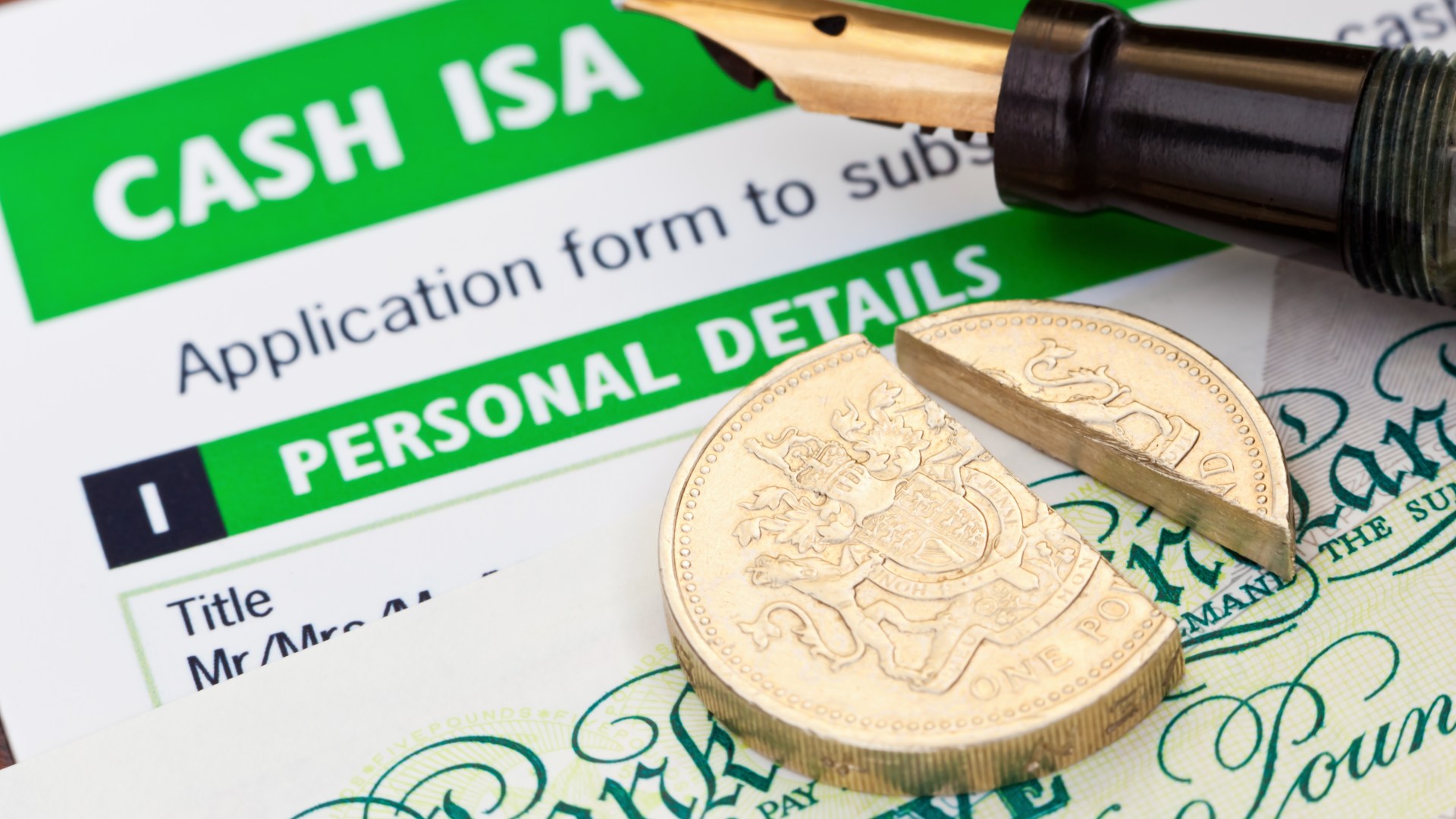
From tax rules to cash changes – we answer your 10 burning ISA questions as savings rates rise
Full Article
Original Source
Read the full article at Thesun →KhanList aggregates and links to publicly available news content. We do not host full articles from third-party sources. Always verify important information with original sources.