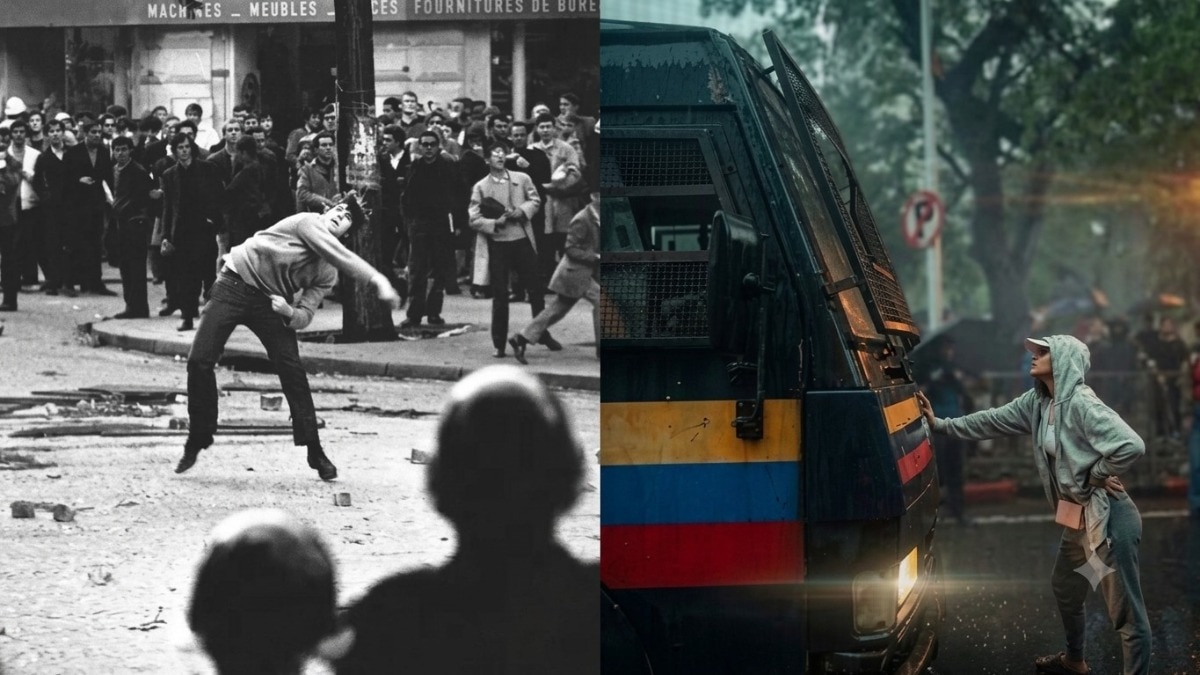
After weeks of protests over the NEET crisis, India's young citizens have achieved what generations of students across the world have often fought for... the power to make those in authority answer for their decisions.From Paris 1968 to Parkland, youth changed History. India’s Gen Z has done it tooFor years, Gen Z has been described as the generation of reels, memes and shrinking attention spans. Critics have questioned their ability to organise, sustain a movement or stay invested in causes beyond social media.This week, that stereotype came undone.The resignation of Union Education Minister Dharmendra Pradhan following weeks of protests over the NEET crisis is more than a political development. It marks one of the most significant victories for a student-led movement in recent Indian history. It serves as a reminder that when young people unite around a common cause, they can still shape the course of public policy.What began as outrage over alleged irregularities in one examination soon became a larger demand for accountability, transparency and trust in India’s education system. Students who had spent years preparing for one of the country’s toughest entrance exams refused to let the issue fade from public memory. They marched, sat in protest, skipped coaching classes, travelled across states and kept the pressure alive long after the initial headlines had disappeared.Read about the timeline of how the events unfolded in the week here. Their message remained remarkably simple. If the system fails students, someone must be held accountable.A VICTORY YEARS IN THE MAKINGStudent movements have often changed history, not because young people hold political power, but because they possess something governments sometimes underestimate. Moral authority.India’s Gen Z now joins a long list of young people across the world who forced those in power to listen.In Paris in 1968, university students protesting rigid education policies ignited demonstrations that spread across France. Within days, millions of workers had joined the movement, bringing the country to a standstill and forcing sweeping reforms in education and labour.Half a century later, students in Parkland, Florida, transformed unimaginable personal tragedy into one of America’s most influential youth movements. The survivors of the 2018 school shooting launched March for Our Lives, putting gun violence at the centre of national political debate and pushing lawmakers in several states to tighten gun laws.In Chile, years of student demonstrations over the cost of higher education eventually led to major reforms that expanded access to tuition-free university education.South Africa’s #FeesMustFall movement forced the government to freeze tuition fee hikes and rethink financial support for students from economically weaker families.Different countries. Different issues. But the common thread was the same. Young people refused to accept that they were too young to be heard.INDIA HAS SEEN THIS BEFORE TOOThe idea of students changing politics is hardly new to India.In 1974, the Nav Nirman Movement began with students protesting rising hostel food prices in Gujarat. Within weeks, it had evolved into a mass anti-corruption movement that eventually forced Chief Minister Chimanbhai Patel to resign.That momentum inspired the JP Movement in Bihar, where students stood alongside Jayaprakash Narayan in demanding political reform. The movement went on to become one of independent India’s defining democratic struggles and reshaped national politics in the years that followed.Those movements were driven by concerns over governance and corruption. Today’s generation has centred its fight on something equally fundamental: the credibility of India’s examination system.THE FIRST TRUE GEN Z PROTESTWhat makes the NEET protests different is who led them. Most of the protesters were born after 2000. Many had never attended a political rally before. They came from coaching hubs, medical aspirant communities and college campuses rather than traditional student unions.They organised on Instagram, Telegram, WhatsApp and X, but they understood something important: online outrage alone rarely changes institutions. So they stepped onto the streets.They blended humour with protest, turned memes into mobilisation and ensured that the conversation never drifted away from accountability. They spoke a language their generation understood without losing sight of the seriousness of their demand.For perhaps the first time, India’s digitally native generation demonstrated that it could convert online momentum into sustained civic action.A RESIGNATION IS ONLY THE BEGINNINGThe resignation of a minister may satisfy the movement’s most visible demand, but it does not, by itself, fix the problems students have been raising. The larger questions remain.Can the National Testing Agency regain public confidence? Will examination reforms be implemented quickly enough to prevent future controversies? Can millions of students once again believe that hard work, not luck or system failures, will determine their future?Those answers will decide whether this movement is remembered as a symbolic victory or the beginning of lasting reform.Every generation is eventually defined by a public moment that reveals what it stands for. For the students of Paris, it was freedom. For Parkland, it was safety. For Gujarat in 1974, it was accountability in public life. For India’s Gen Z, it may well be trust.Trust that an examination should reward merit, trust that institutions must answer for their mistakes. And trust that even in the world’s largest democracy, young citizens can still force those in power to listen.The minister’s resignation may close one chapter of the NEET controversy. But for a generation often accused of caring more about algorithms than activism, it has already accomplished something much bigger. It has reminded India, and perhaps even itself, that history has always belonged to young people willing to challenge the status quo.And now, Gen Z has written its own chapter.- EndsPublished By: Deebashree MohantyPublished On: Jul 26, 2026 11:40 IST
From Paris 1968 to Parkland, youth changed History. India's Gen Z has done it too
Full Article
Original Source
Read the full article at Indiatoday →KhanList aggregates and links to publicly available news content. We do not host full articles from third-party sources. Always verify important information with original sources.