
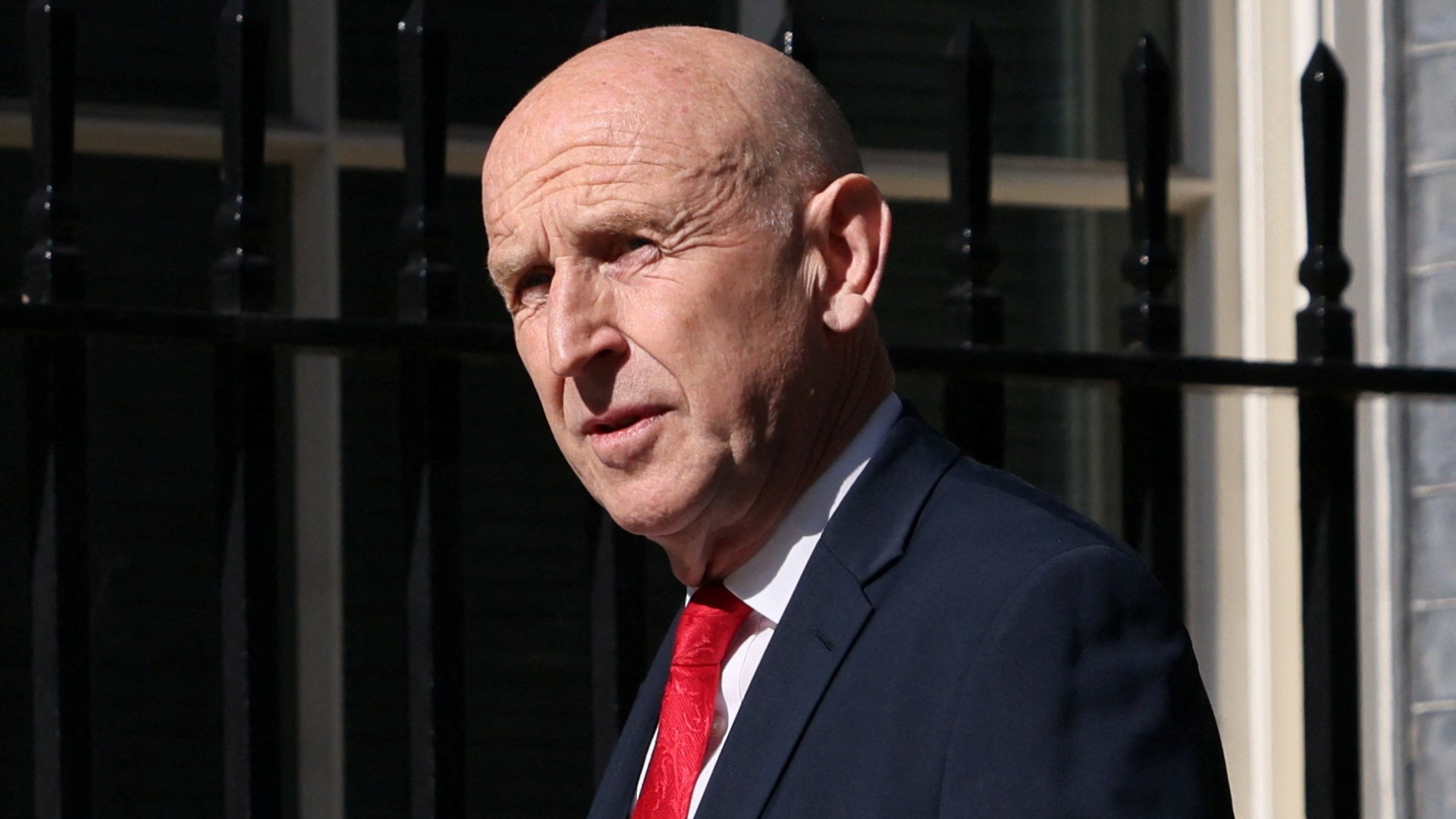
RACHEL Reeves is out… and John Healey is in as Britain’s new Chancellor. In a shock move by new PM Andy Burnham yesterday, Healey was revealed as the latest minister tasked with balancing the books and fixing the UK’s struggling economy. Former defence secretary John Healey has been appointed the new Chancellor – we reveal what it means for YOUR money Credit: Reuters New PM Andy Burnham has chosen to sack Rachel Reeves after two years in the post Credit: Crown Copyright After quitting as defence secretary in a row over military spending just last month, he will now take the reins from Reeves, who has been sacked from the post after her two-year stint. Just hours into the job, Healey announced a VAT cut on energy bills to help households with the cost of living crisis and “give families some breathing room on bills”. Sign up for the Money newsletter Thank you! This is set to take £45 off the annual energy price cap from October. But what other policies might the new Chancellor be eyeing up, and could our taxes end up being hiked to fund them? We’ve spoken to experts to find out what kind of impact Healey could have on YOUR money: Property tax overhaul Healey is expected to stick closely to the Prime Minister’s plan when it comes to taxes and spending rather than go rogue, experts and insiders believe. Sources within the Government say he shares the same outlook as Burnham. This means Healey could get behind many of the policies Burnham is expected to announce – including a major property tax shake-up. Most read in Money Burnham has long supported scrapping council tax and stamp duty in favour of a Proportional Property Tax. This would see homeowners pay a flat 0.48% charge on their property’s value. Campaign group Fairer Share, which is proposing the shake-up, claims 77% of households would benefit and save an average of £556. But critics warn it could hit older homeowners and those in London and the South East hardest. He has also backed the introduction of a land value tax (LVT) – an annual tax on the market value of land, excluding any buildings or improvements. However, analysts have warned that this could hit homeowners in certain parts of the country – particularly those in London and the Home Counties – with thousands more in bills each year. Energy bills slashed Labour promised in the general election to slash household energy bills by £300 by 2030 – a promise Healey will now have to try and deliver. The PM and his new Chancellor announced this morning they are axing VAT from energy bills to help households with the cost of living. This reduction, from 5% to 0%, will come into effect on October 1 and will save typical households around £45 a year. Following the announcement, Healey said: “For too long, too many people have struggled with the cost of living. “Today’s energy tax cut will give families some breathing room on bills, and provide some reassurance this winter. “This measure is funded this year from cancelling the Digital ID programme, and it will help bring down inflation while supporting households in every postcode.” Burnham’s government is also said to be considering tiered energy bills – a method already used by countries including China, India and Japan. This would see the Government subsidise a certain amount of “essential” energy, with prices rising the more you use. The plans could save average households an estimated £225 a year on their energy bills. Workers could pay less income tax… In what would be a huge boost for households, there are signs that Healey could unfreeze the UK’s tax thresholds – meaning millions could pay less tax. Tax bands have been frozen since 2021, and Reeves announced this would be extended until 2031. This creates what’s known as fiscal drag – whereby people are pushed into paying more tax as their wages rise with inflation, but the tax bands stay the same. But the new PM has hinted that he could unfreeze these tax bands, after saying it was “the thing I heard most on the doorsteps” during the Makerfield by-election. In an interview with The Times, he said it was an issue that “will be looked at through the Budget”. The personal allowance – the point at which people start paying tax – has been frozen at £12,570 since 2021. If it had never been frozen and had risen in line with inflation, however, people today would not pay tax until they earned £16,072, according to AJ Bell. … but some could pay 50% While the point at which Brits start paying tax may go up, it’s not all good news for taxpayers. Despite vowing to stick to Chancellor Rachel Reeves‘ fiscal rules and not hiking income tax, VAT or National Insurance, many believe Burnham’s Government could introduce a 50% income tax rate. This could replace the current 45% higher rate of income tax, which is paid on any income over £125,140 a year. The move would see someone earning £150,000 pay around £1,250 more in income tax per year. “Strictly speaking, introducing 50% income tax will break Labour’s manifesto promise, to not increase income tax, NIC or VAT,” says Nimesh Shah at Blick Rothenberg. “But let’s be honest, they have largely broken that promise by increasing employer’s NIC, increasing income tax on rental profits, savings interest and dividends, and extending the freeze on tax thresholds and allowances until 2031.” Mortgage misery Healey resigned from Keir Starmer’s government last month after slamming the former PM for failing to properly fund the armed forces. Now, as Chancellor, he will be under pressure to deliver on this funding. Healey could choose to increase Government borrowing to fund defence spending – something Burnham has already hinted that he supports. However, experts fear this could spark a hike in mortgage rates, which would come as a huge blow to homeowners. Ian Futcher, financial planner at Quilter, warned: “Even relatively small increases in rates can translate into hundreds of pounds more per month for those coming off fixed deals.” Rates have already started rising this week, as major banks including Barclays and Halifax announced hikes as the crisis in the Middle East continues to cause turmoil in the markets. Capital Gains Tax shake-up Healey could likely have his eye on a shake-up to Capital Gains Tax (CGT). This is a tax on the profit you make when you sell or get rid of an asset, like a second home or antiques, that has increased in value. It also applies to shares, investments, and cryptocurrency. It is believed Burnham’s Government could align CGT rates with income tax rates, after one of his close advisors, Louise Haigh MP, called for them to be revised. CGT rates are currently lower than income tax rates, at 18% for basic rate taxpayers and 24% for higher earners. The rate you pay is calculated after your profits are added to your other income. Comment now
From income tax to energy bills – what John Healey as Chancellor means for your money
Full Article
Original Source
Read the full article at Thesun →KhanList aggregates and links to publicly available news content. We do not host full articles from third-party sources. Always verify important information with original sources.