
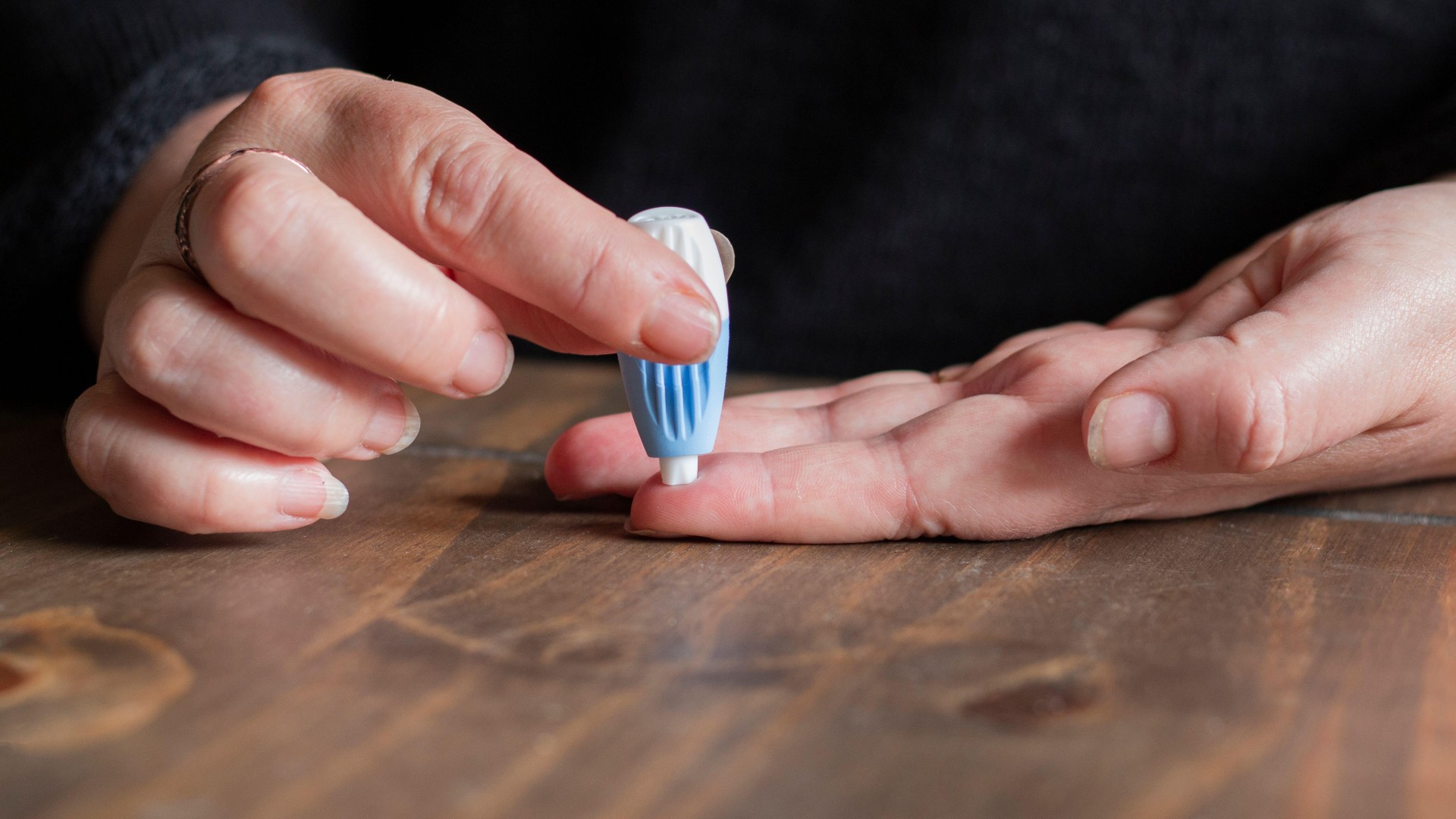
FREE cholesterol checks will be offered at high street pharmacies in an NHS drive to diagnose people earlier. The pin-prick blood test takes just seven minutes and could help to ward off heart diseases. The test uses a tiny spot of blood (stock image) Credit: Alamy Cholesterol builds up inside the blood vessels and can narrow and block them (stock image) Credit: Alamy More than half of Brits are estimated to have high cholesterol but many do not know it. Around 100 pharmacies across England will pilot the drop-in tests over the next six months. Sign up for the Health newsletter Thank you! People would previously have had to go to their GP for the free check and then wait for their results. Dr Rani Khatib, NHS adviser on heart disease prevention, said: “Everyone should know their numbers. Read more on heart health “This will help people manage their risk factors earlier and reduce their risk of having heart attacks or strokes.” David Webb, chief pharmacist for NHS England, added: “We can spot ticking time bombs earlier by making it easier for people to get a quick and convenient health check on their local high street. “This is the latest in a series of initiatives involving pharmacies delivering care previously only offered in GP surgeries.” People will be eligible for the drop-in cholesterol test if they are aged between 40 and 84 and have not had an NHS blood test in the past year. Most read in Health A pharmacist will test a tiny sample of their blood and give them advice on the results. Customers will also be offered a blood pressure test and an email copy of their results. NHS bosses want to cut heart attack and stroke death rates by a quarter in the next 10 years. They currently kill around 170,000 people per year, making them a leading cause of death. High levels of cholesterol are a silent killer because there are generally no symptoms but it clogs up the insides of blood vessels, forming clots and increasing pressure on the heart and brain. A healthy test result is a total cholesterol level below 200, with HDL between 40 and 80 and LDL below 100. When pharmacy checks were trialled in London, one in five people were found to be at high risk of a heart attack or stroke. Health Minister Alison McGovern said: “This is exactly the type of innovation we want to see across the NHS. “Early detection can help prevent serious conditions, helping people stay healthier for longer and reducing pressure on NHS services.” How to lower cholesterol There are a number of ways to reduce your cholesterol. High levels of cholesterol can build up in the artery walls and reduce blood flow to the heart. This increases the risk of a clot forming around the body and also coronary heart disease occurring. According to the NHS website, high levels can lead to: Narrowing of the arteries (atherosclerosis) Heart attack Stroke Transient ischaemic attack (TIA) – often known as a “mini stroke” Peripheral arterial disease (PAD) High cholesterol is mainly caused by eating fatty food, not exercising enough, being overweight, smoking and drinking alcohol. Therefore, to lower your cholesterol: Maintain a healthy diet which is low in fatty food. Reduce meat pies, sausages, butter, ghee, cream, hard cheeses, cakes and biscuits and foods with coconut oil. Instead, eat more oily fish, brown rice, nuts and seeds. Increase fruit and vegetable intake, too. Give up smoking. You can get support from your GP or NHS Stop Smoking Service. Take regular exercise. Aim to do at least 150 minutes exercise per week of walking, swimming or cycling. It’s also advised to do strength training twice per week. Cut back on alcohol. Guidelines say alcohol should be limited to 14 units per week. Ask your GP for help if you struggle to reduce your booze. Comment now
Free NHS cholesterol tests rolled out at high street pharmacies to catch silent killer early
Full Article
Original Source
Read the full article at Thesun →KhanList aggregates and links to publicly available news content. We do not host full articles from third-party sources. Always verify important information with original sources.