
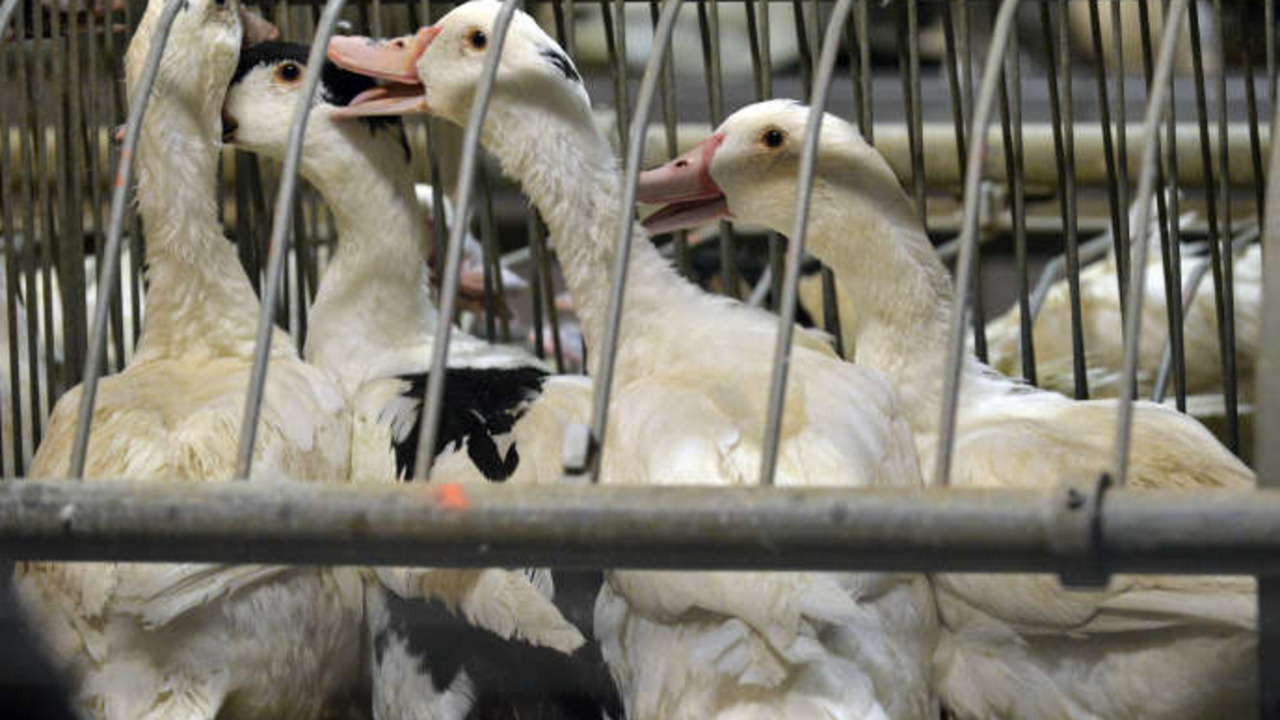
France is raising its avian flu alert to the highest level from Friday, bringing new restrictions on poultry movements as authorities seek to contain the spread of the virus. The decision comes amid a rise in infections among wild birds across Europe, particularly along migration routes crossing France. Issued on: 19/11/2026 - 12:12 2 min Reading time France will raise its bird flu risk level from "moderate" to "high" on Friday, triggering tougher preventative measures aimed at protecting poultry farms from the highly contagious virus. The decision, announced in a decree published in the Official Journal on Thursday, places mainland France on the highest of three alert levels for highly pathogenic avian influenza (HPAI). The new restrictions include a ban on poultry movements and tighter requirements for keeping farmed birds separated from wild birds, which are considered a major source of transmission. The Agriculture Ministry said the decision followed the confirmation of outbreaks in backyard poultry flocks in mainland France, alongside growing evidence that the virus is circulating among migrating wild birds. It cited the spread of the infection along migration routes crossing France, with confirmed cases among wild birds on French territory raising concerns that the disease could reach commercial poultry operations. The move marks a rapid escalation in the country's alert status. France had maintained a "negligible" risk level since June before raising it to "moderate" in early November. France raises bird flu alert to highest level after new outbreaks Vaccination advantage The decision comes as European authorities report a resurgence of bird flu infections, particularly among wild birds travelling along major migration corridors. French officials have warned of an increase in confirmed cases in several neighbouring countries. Avian influenza is a highly contagious viral disease that primarily affects birds. The most dangerous strains can spread rapidly through poultry flocks, often forcing farmers to slaughter large numbers of animals to prevent further transmission. France has already recorded several outbreaks this year. In early September, a case was detected at a duck farm in the western department of Maine-et-Loire which led to the culling of around 7,600 birds. Experts warn bird flu virus changing rapidly in largest ever outbreak Despite the renewed threat, France enters the latest bird flu season with an advantage – a vaccination programme which experts credit with helping to keep major outbreaks under control over the past two years. Since October 2023, vaccination against avian influenza has been compulsory on French farms raising more than 250 ducks. France remains the only European Union country to have introduced such a mandatory programme on this scale. The strategy was adopted following repeated bird flu crises that devastated poultry production, particularly in southwestern France, where duck farming is central to the production of foie gras. Experts say the vaccination campaign has played an important role in reducing the scale of outbreaks, although it cannot entirely eliminate the risk of infection. France has also adjusted its biosecurity rules to allow farmers greater flexibility when the country is placed on high alert. Since October 2023, certain free-range poultry have been permitted limited outdoor access under strictly controlled conditions, rather than being kept permanently indoors. Laying hens, for example, may be allowed into restricted outdoor runs, while vaccinated ducks can use specially adapted areas designed to minimise contact with wild birds. The return to the highest alert level means poultry farmers must now reinforce biosecurity measures to prevent contact with infected wild birds. (with newswires)
France raises bird flu alert to highest level as infections spread across Europe
Full Article
Original Source
Read the full article at Rfi →KhanList aggregates and links to publicly available news content. We do not host full articles from third-party sources. Always verify important information with original sources.