
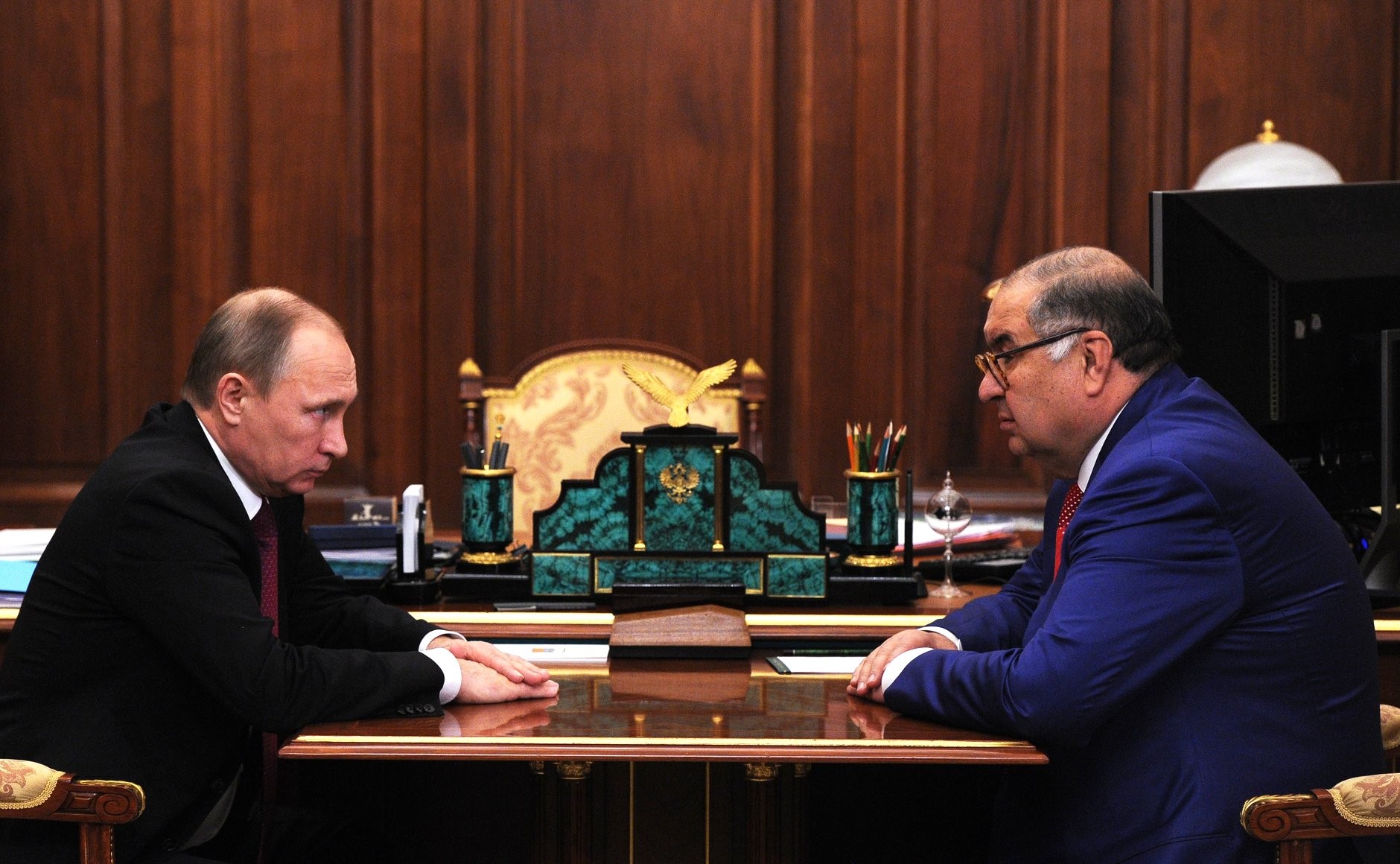
France has done lasting harm to EU sanctions on Russia after ramming through the delisting of an oligarch for the sake of its own interests. The EU agreed to delist Russian metals tycoon Alisher Usmanov at around 4.30PM on Tuesday (22 September) – just seven and a half hours before France’s veto would have seen the whole blacklist of some 3,000 individuals and entities legally expire at midnight if there was no deal. The accord also includes delisting Russian banker Mikhail Fridman to please Luxembourg and locking in the new list (without Usmanov or Fridman) for the next three years to satisfy the rest of the member states. France had said it needed Usmanov to get back his frozen EU mansions and family yacht for “national security” reasons. Diplomats said this was because Paris made a “secret deal” with Baku and Moscow to free an alleged French spy jailed by Azerbaijan in return. Luxembourg needed Fridman off to strengthen its hand in a Hong Kong arbitration, in which he was suing the Grand Duchy for €14bn because it had frozen his assets. And the rest wanted the three-year lock to stop others from abusing the current six-month review, the way France just did. The Kremlin-friendly Slovakia had also lobbied for Usmanov and Fridman to be delisted, as it had done in the past, but Bratislava and Luxembourg would have been ignored if not for Paris, diplomats said. Meanwhile, the torturous decision-making process showed just how hard it was becoming for the EU to forge agreements on Russia. The EU had already extended the blacklist expiration date by one week (from 22 September). Ambassadors held three meetings on Monday and two more on Tuesday as the clock ticked toward the expiration catastrophe. They also extended an internal deadline for the agreement from 8PM on Monday to 8.30PM, to 10PM, then to 9AM on Tuesday, before abandoning the internal deadlines. EU foreign ministers meeting informally in the margins of the UN General Assembly in New York on Monday also discussed the affair. And there were "multiple contacts" between Paris and Riga on Monday and Tuesday, an EU diplomat said, after the Latvian government had insisted on keeping the list as it was until 4 October - because it had national elections on 3 October and did not want to look soft on Moscow. "It makes you wonder what Latvia got from France in return for its agreement", the diplomat said.
France bullies EU into delisting top Russian oligarch, angering allies in last-minute showdown
Full Article
Original Source
Read the full article at Euobserver →KhanList aggregates and links to publicly available news content. We do not host full articles from third-party sources. Always verify important information with original sources.