
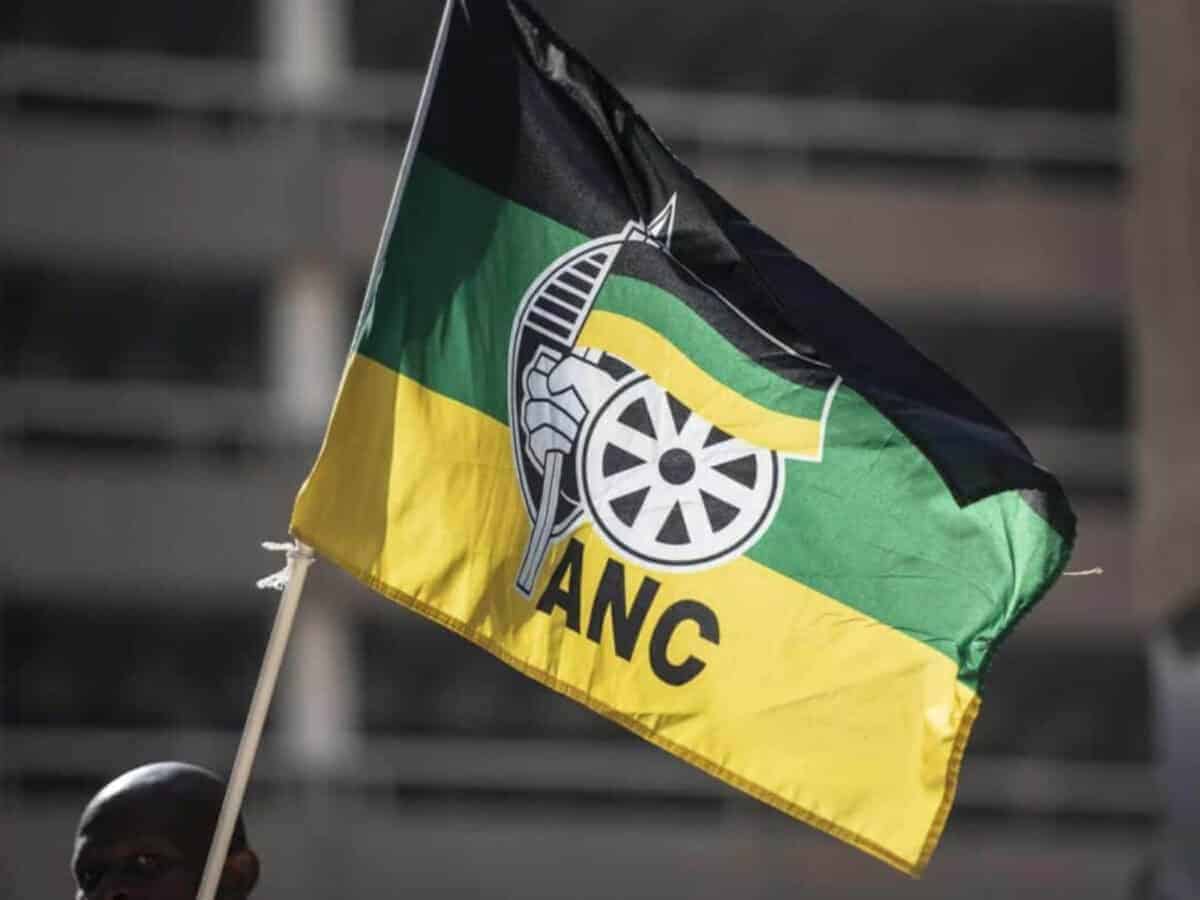
Fikile Mabula's confrontational style may excite some within the ANC, but the party's presidency requires something different. What is unfolding in the ANC ahead of the local government elections should trouble the party well beyond November. The crisis is not only the botched candidate-list submissions or who has been omitted. The serious concern is about a party unable to comply with the Electoral Commission of SA’s requirements. It seems the ANC is uncertain about making the hard political choices that governance demands. The upcoming elections are a test of political authority – and right now, the ANC is failing. LIVE interactive map, latest news, multimedia and more! View Map The Electoral Court defeat has left it unable to field candidates in key towns and metros. There is also no clear consensus on mayoral candidates. Names circulate, ambitions collide and internal disagreements spill into the open. What may look like ordinary factional politics points to something larger. Are these local elections offering South Africans a preview of the ANC’s elective conference next year – a contest where indecision and division could dominate the stage? Cyril Ramaphosa’s presidency will eventually end. When that happens, the ANC will have to choose another leader. But who will it be? ANC secretary-general Fikile Mbalula’s name is among those. He is experienced and not afraid of confrontation. But those qualities could become his greatest weakness. The controversy surrounding the ANC’s candidate lists has placed him under pressure. Instead of the matter simply disappearing as another internal administrative failure, it has become a test of leadership. When things go wrong under your watch, do you accept responsibility, fix them and move on – or fight everyone who points out the failure? Mbalula’s confrontational style may excite some within the ANC. But the party’s presidency requires something different. His legal battle with ANC veteran Dr Nkosazana Dlamini-Zuma over allegations of vote-buying at ANC conferences adds another layer to the political drama. The allegations remain contested and the courts are dealing with them. Politically, however, the dispute shows something concerning about the ANC. That its leadership contests have become battles in which victory can matter more than unity. And that brings us back to local elections. If the ANC struggles to agree on mayoral candidates and councillors, what happens when it has to agree on who will be the party’s president? Controversy has never been a barrier to being elected in the ANC. The rise of Deputy President Paul Mashatile reminds us the party’s politics often defy the standards ordinary voters might expect. His tenure as treasurer-general was marred by crises, including staff left unpaid for months – yet it did little to hinder his ascent. Perhaps that is why the ANC’s repeated claim that the party “belongs to God” deserves scrutiny. If the ANC truly belongs to God, as some of its leaders have suggested, then perhaps its leaders should remember that they are not the owners of the movement. They are temporary custodians. Archbishop Desmond Tutu once warned the ANC that people could pray for its downfall. It was a powerful reminder that political parties are not immortal. The ANC may still recover. But missing the deadline to submit candidate lists and being unable to agree on mayoral candidates should be treated as a warning, not dismissed as another internal quarrel. The coming leadership battle will test whether the ANC can still choose a leader on its own terms, or whether its fractious factions will seize control of the process and impose a choice that reflects division rather than unity.
Fractious factions: ANC’s local election troubles could shape next leadership race
Full Article
Original Source
Read the full article at Citizen →KhanList aggregates and links to publicly available news content. We do not host full articles from third-party sources. Always verify important information with original sources.