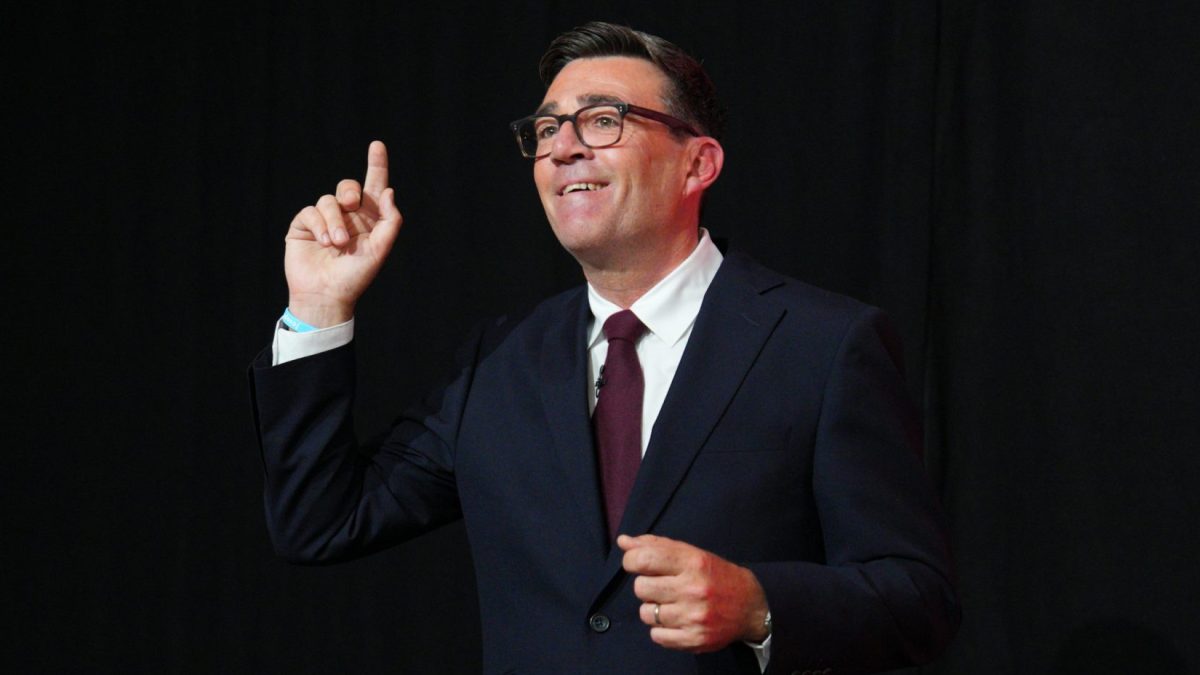
Andy Burnham insisted “I have a plan” for power as he was crowned Labour leader – and so the next prime minister. In his acceptance speech in London on Friday, he promised to give “hope back” to people while setting out five core principles on how he will govern. These were: uniting the Labour Party; building a “new politics” based around “problem-solving” rather than “point-scoring”; governing in a “distinctively Labour” style; being a leader for all parts of the UK; and pursuing his devolution agenda. Shorts But the speech – which paves the way for him to enter 10 Downing Street on Monday – was high on values and low on detail on how he would govern. Here’s a run-down of what was missing… New policies Burnham was clear about what he wants to do – but offered little in the way of actual new policy. The Makerfield MP vowed to be pro-business in his most explicit commitment yet to work with the private sector, and once again promised to pursue his plan to devolve powers to regional mayors around the country. He is understood to be drawing up plans to appoint metro mayors to the House of Lords as a first step towards making the Upper Chamber more representative of the nations and regions it serves. According to multiple sources, he will make an early announcement on further devolution reforms, with one option being the appointment of mayors to the Upper Chamber on a cross-party basis. After his speech on Friday, Labour deputy leader Lucy Powell insisted that today was the day for Burnham to set out a vision – long thought by MPs to be lacking under Sir Keir Starmer – rather than a long list of policies. But the incoming PM will take over at No 10 with few confirmed policy pledges, having won the Labour leadership uncontested. Budget trade-offs Burnham will enter Downing Street facing an immediate and major headache over how to balance the books. The Government’s Defence Investment Plan contains an unfunded £4.7bn black hole, the US-Iran war is set to worsen economic conditions, and Chancellor Rachel Reeves’s announced spending plans get much tighter as the next election approaches. That is before you get to Burnham’s promises to help people with the cost of living, embark on a massive council house-building programme, reindustrialise the North and deliver economic growth in every postcode. All of this means he is facing some very difficult decisions and trade-offs over where to find the money for his plans – spending cuts, tax rises or more borrowing. He revealed nothing on how he would approach the challenge of the public finances, which might yet define his premiership. World affairs The former mayor of Greater Manchester is seen by some as a leader who is generally less interested in foreign affairs than Starmer, and his speech made no mention of the great global issues of the day. With Donald Trump once again ramping up attacks on Iran, the Ukraine war grinding on, and the Government’s Brexit reset on hold due to the change in leadership, some may have expected Burnham to at least make a reference to the international issues that have severely restricted Starmer’s room for manoeuvre. After all, the Iran war directly impacts energy bills and the cost of living; relations with Trump and the EU are deeply important for British business due to their protectionist policies; and the threat of Russia striking Nato in the next few years looms large over pressures to find money for defence. Burnham may soon find that, like Starmer, he needs to explain to voters how these issues affect his capacity to govern and deliver on his pledges. The cabinet This week has been dominated by speculation over who Burnham will pick as his most senior ministers in the cabinet, with his choice of chancellor seen as a key indicator of how he will govern. He is set to announce his team on Monday. Ed Miliband, seen as a radical and a left-winger but with deep Treasury experience, has apparently fallen out of favour, with the more centrist Home Secretary Shabana Mahmood now thought to be in pole position for No 11. Burnham said he has not made “any decisions yet” about who will be in his to team, but promised that it would represent all parts of the Labour Party.
Four things missing from Andy Burnham’s victory speech
Full Article
Original Source
Read the full article at Inews →KhanList aggregates and links to publicly available news content. We do not host full articles from third-party sources. Always verify important information with original sources.