
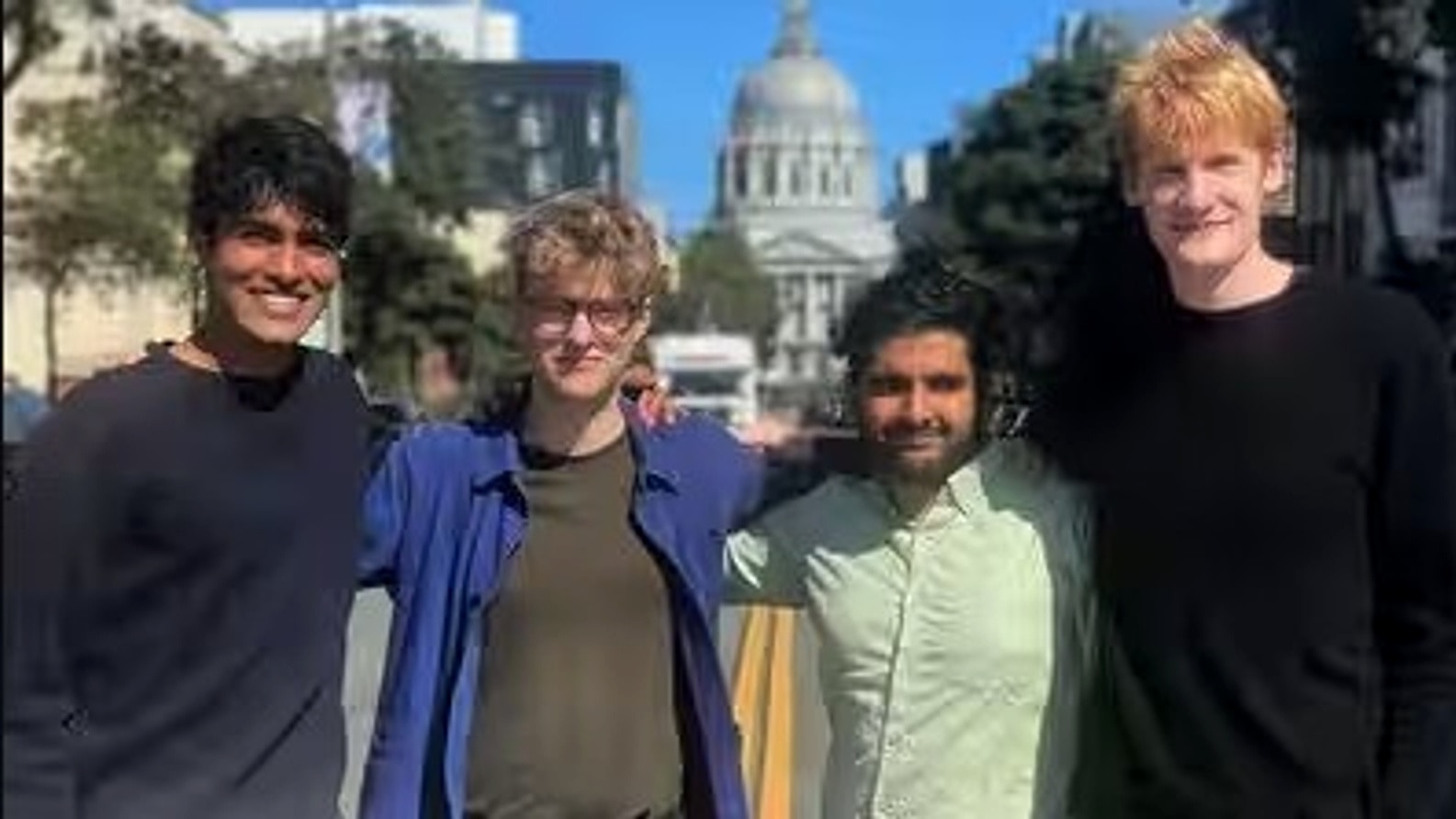
Cursor's four young founders have completed the sale of Anysphere to SpaceX in a USD 60 billion all-stock deal after pivoting away from a failed first idea at MIT. The transaction underlines how quickly AI fortunes can turn when founders abandon a weak product and back a riskier market.Four MIT dropouts turned failure into Cursor and a USD 60 billion SpaceX deal (Image:X/@linasbeliunas)They started with an idea that failed. They were in their twenties, had dropped out of MIT and were still searching for a product people actually wanted. Four years later, those same four founders had built an AI company worth USD 60 billion.Michael Truell, Aman Sanger, Sualeh Asif and Arvid Lunnemark, the young founders behind Cursor, had completed the sale of their company, Anysphere, to SpaceX in a deal that transformed them into billionaires before the age of 30.But behind the extraordinary ending was a much less glamorous beginning: Cursor was not the idea they stTHE IDEA THAT DIDN'T WORKThe four founders launched Anysphere in 2022 while studying at MIT. Their first major idea was an AI copilot for mechanical engineers. They believed the market was less crowded and could offer an opportunity for a young startup. It did not take off. Instead of spending years trying to rescue a product that wasn't working, the founders experimented with other ideas before making a much bigger bet: AI-powered software development.At the time, they believed coding was already a crowded market. They went in anyway.HOW CURSOR CHANGED EVERYTHING Cursor was built to help programmers write, understand, edit and improve software with AI. As the technology advanced, Cursor evolved beyond basic autocomplete. Its AI agents could increasingly handle complex programming tasks, making the product far more powerful than a traditional coding assistant.The company's growth was rapid. Anysphere was valued at about USD 2.6 billion in late 2024. By June 2025, that figure had climbed to nearly $10 billion, before reaching roughly $29.3 billion later that year, according to Forbes.By June 2026, Cursor had reached about USD 4 billion in annualised revenue.WHY SPACEX CAME CALLINGCursor's success also attracted intense competition. OpenAI, Anthropic and other major AI companies were developing tools aimed at the same coding market. For Cursor, the next challenge was scale, especially access to enormous computing power.SpaceX saw an opportunity. In April 2026, the companies announced a partnership that included an option for SpaceX to acquire Anysphere. Two months later, SpaceX exercised that option, agreeing to a $60 billion all-stock acquisition.The deal was eventually completed, and on August 14, Cursor announced that it had officially become part of SpaceX. Cursor said the combination would give it access to what it described as the world's largest fleet of GPUs.FOUR YOUNG BILLIONAIRESThe numbers are staggering. Forbes estimated that Truell, Sanger, Asif and Lunnemark could each be worth around USD 2.7 billion following the transaction. All four are still in their twenties.Their journey, from an unsuccessful AI idea at MIT to a USD 60 billion acquisition, shows just how quickly fortunes can change in the AI industry.THE BIGGER LESSONThe most important part of the Cursor story may not be the USD 60 billion exit. It is the decision to walk away from an idea that wasn't working.The founders did not succeed because their first idea was perfect. They succeeded because they were willing to abandon it, experiment again and take a chance on a market they initially thought was too crowded.- EndsPublished On: Aug 24, 2026 08:50 IST
Four MIT dropouts turned failure into Cursor and a USD 60 billion SpaceX deal
Full Article
Original Source
Read the full article at Indiatoday →KhanList aggregates and links to publicly available news content. We do not host full articles from third-party sources. Always verify important information with original sources.