
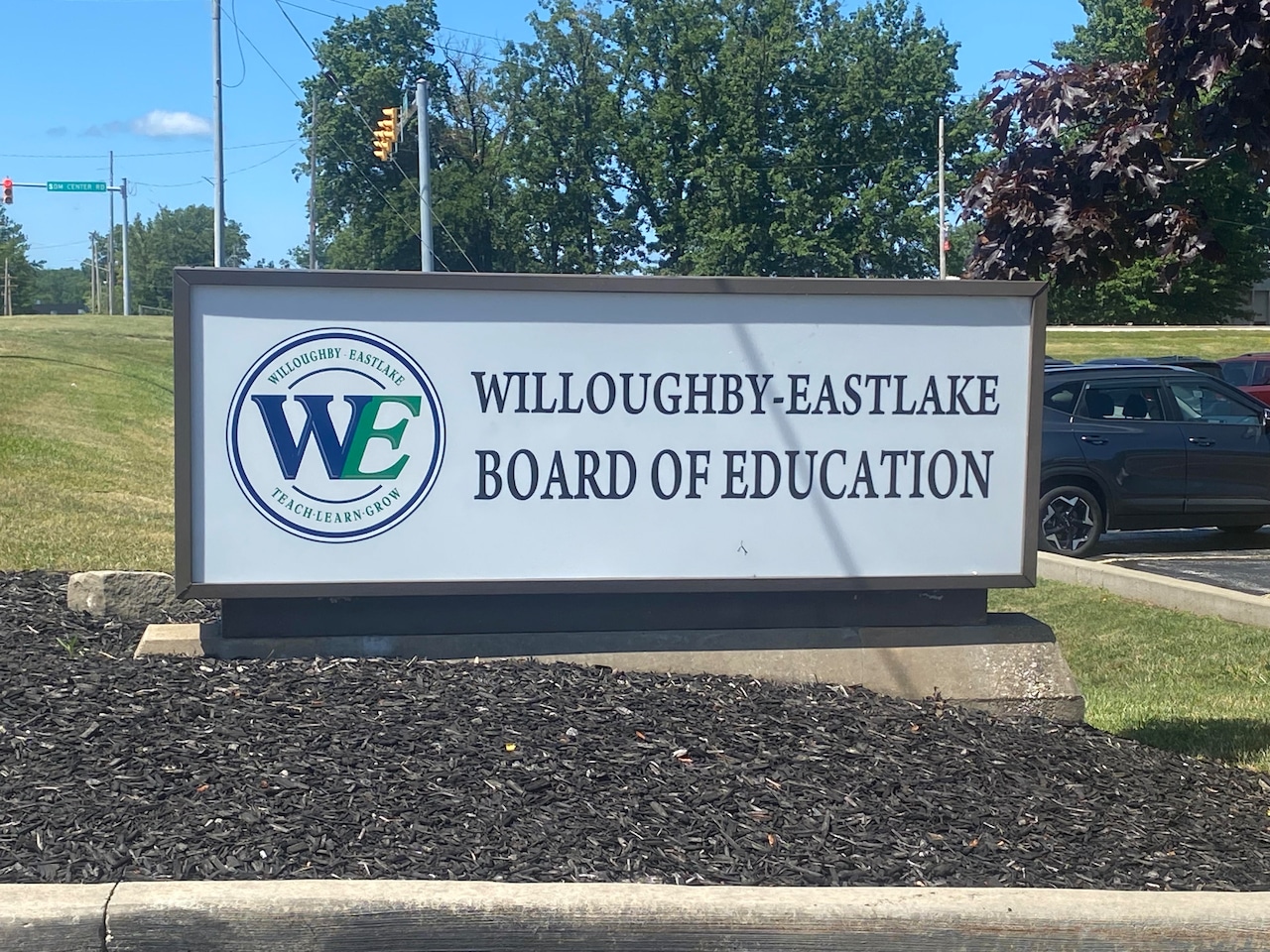
PAINESVILLE, Ohio — Voters in four Lake and Geauga County school districts will decide Nov. 3 whether to approve new income taxes, with districts warning of potential staffing cuts, school consolidation and reductions in student programs if additional funding is not secured.Willoughby-Eastlake, Painesville, Riverside and Berkshire schools are seeking continuing earned income taxes ranging from 0.5% to 1.25%.Unlike property taxes, which are based on property values, the proposed taxes would apply to earned income of district residents, including renters. Earned income generally includes wages, salaries, tips and qualifying self-employment income, but not Social Security, pensions, retirement distributions or investment income.All four districts say they are facing financial pressures from rising operating costs, changes in state funding or other revenue losses. Each has identified potential staffing, programming or building changes if voters reject the proposals.Willoughby-Eastlake City SchoolsWilloughby-Eastlake voters will decide whether to approve a continuing 0.75% earned income tax expected to generate approximately $14 million annually, the largest projected revenue total among the four proposals.Of that amount, approximately $9.6 million would support operations, while $4.4 million would go toward permanent improvements, including buildings, technology, security and buses.A resident with $50,000 in taxable earned income would pay $375 annually, or $31.25 a month.The district says it faces a structural deficit, declining enrollment and ongoing building needs. Superintendent Patrick Ward said changes to Ohio’s property tax system have made a significant portion of the district’s funding less predictable.“The proposed 0.75% earned income tax would provide a stable, ongoing revenue source in response to those changes,” Ward said in a statement.Regardless of the election’s outcome, the district plans to consolidate school buildings. The result will help determine what that consolidation looks like.If the tax passes, the district plans to maintain two high schools. If it fails, Willoughby-Eastlake would transition to one high school and one middle school beginning in the 2028-29 school year.Ward said the district is focused on its future building configuration rather than reducing student programs or opportunities.“Our shared vision for students remains the same,” Ward said. “Ultimately, the community will provide us with direction on which path we take to bring our vision to life.”Riverside Local SchoolsRiverside voters will consider Issue 7, a continuing 1% earned income tax expected to generate approximately $13.7 million annually to address the district’s operating deficits and aging school buildings.A resident with $50,000 in taxable earned income would pay $500 annually, or about $41.67 a month.District officials say a portion of the money would be used to renovate the 77-year-old Riverside High School, construct a new academic addition primarily for seventh- and eighth-grade students and eventually demolish the John R. Williams building.The district would use another portion of the revenue for operations as expenses continue to outpace revenue.Riverside projects deficit spending of more than $3.3 million in fiscal 2027, more than $5.5 million in fiscal 2028 and nearly $9 million in fiscal 2029 without additional revenue. The district says it could reach fiscal emergency by fiscal 2030.The district has committed to nearly $3 million in savings during fiscal 2026 and 2027.If the tax fails, the school board will determine how to proceed with a potential May 2027 ballot issue, said Nick Carrabine, the district’s director of marketing and communications.If no additional funding is approved before the end of fiscal 2027, approximately $4 million in cuts would have to be implemented before the 2027-28 school year, Carrabine said.The district estimates that a resident earning its median individual income of $53,792 would pay about $538 annually, or $44.82 a month, under the proposed tax.Painesville City Local SchoolsPainesville schools voters will decide whether to approve Issue 6, a continuing 1.25% earned income tax expected to generate approximately $3.4 million annually for operating expenses.The proposal carries the highest tax rate among the four districts. A resident with $50,000 in taxable earned income would pay $625 annually, or about $52.08 a month.The district is making the request after reporting its highest graduation rate, career readiness rate and overall state report card rating for two consecutive years. Superintendent Joshua Englehart said reductions in state funding now threaten the services and opportunities available to students.Prior to this year, the district had gone 14 years without asking voters for new local funding.Painesville has historically relied heavily on state funding, which accounts for about 70% of district revenue. The district says state funding decreased by more than $2.5 million in 2026. Although funding is projected to increase in 2027, the allocation would remain more than $1 million below 2025 levels.“The district has already made substantial cuts, totaling over four million dollars over the past two years,” Englehart said. “Despite these reductions, the district still faces a sizable deficit, given the magnitude of the state funding cuts.”The district says it has reduced spending by about $4.5 million, eliminated 42.5 positions and discontinued 27 student activities, clubs and programs. Both employee unions also agreed to renegotiate health benefits, which are expected to save $500,000 annually beginning in January 2027.Englehart said Issue 6 is intended to prevent further reductions rather than expand district offerings.“It is not about adding any ‘extras,’ but rather about protecting the programs and services we already have,” he said.Despite the cuts, the district projects continued deficit spending and says its general fund balance could be exhausted by 2029 without additional revenue.If the proposal fails, officials plan to close Maple Elementary as a K-5 school beginning in the 2027-28 school year, moving its students to Chestnut and Elm elementary schools.The district also plans to eliminate additional teaching positions and some course offerings, including Advanced Placement classes, increase class sizes, make further cuts to athletics and extracurricular activities and raise pay-to-participate fees.Approval of the tax, combined with spending reductions, would allow the district to remain financially solvent through 2030, though officials say its financial margin would remain narrow.Berkshire Local SchoolsBerkshire voters in Geauga County will decide Issue 4, a continuing 0.5% earned income tax expected to generate approximately $1.8 million annually.A resident with $50,000 in taxable earned income would pay $250 annually, or about $20.83 a month.The revenue would support operating expenses, including salaries and benefits, transportation, utilities, instructional programs, technology, maintenance and special education.Superintendent John Stoddard said the district has experienced several revenue losses, including the elimination of direct open enrollment funding, the loss of taxable utility revenue from the Orwell-Trumbull pipeline, delinquent tax payments from CEI and the failure of a permanent improvement levy renewal.Before seeking the income tax, Berkshire cut approximately $1.2 million from its budget. Those reductions included eliminating two district-level administrative positions, leaving two teaching vacancies unfilled, eliminating three permanent substitute teaching positions and reducing discretionary spending.If the proposal fails, Stoddard said the district would need to make another $1.2 million in cuts, primarily through staffing reductions.Those cuts would increase class sizes and affect some instructional programs, he said.If approved, Stoddard said the additional revenue would allow Berkshire to maintain its current services and move out of fiscal caution status with the Ohio Department of Education and Workforce.This article was produced with assistance from AI tools and reviewed by Cleveland.com staff.
Four Lake, Geauga school districts seek income taxes on Nov. 3 ballot
Full Article
Original Source
Read the full article at Cleveland →KhanList aggregates and links to publicly available news content. We do not host full articles from third-party sources. Always verify important information with original sources.