
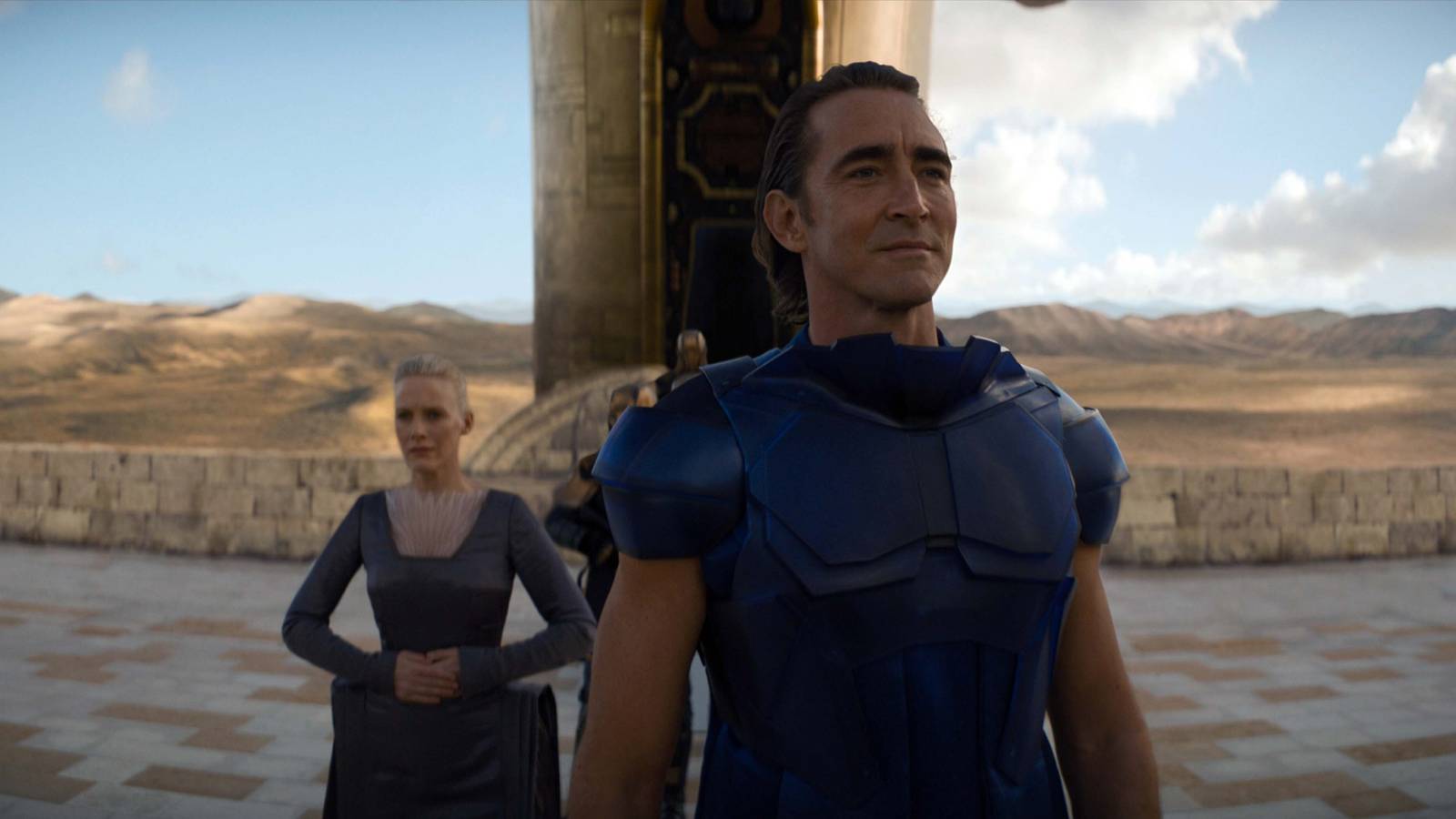
Published Oct 21, 2026, 11:00 AM EDT Memory Ngulube joined Screen Rant in April 2024 as part of the Movies and TV team. Since then, she has written for the Perennials and Streaming team, covering a wide range of topics from new releases to old movies and TV shows. Memory is currently a Classic TV writer. Before joining Screen Rant, Memory was a freelance copywriter who specialized in email marketing and social media management. While she enjoyed her job, her true passion was always movies and TV. When she isn’t writing for Screen Rant, Memory can be found reading, baking (which is one of her passions), or watching her favorite K-drama. Foundation and Game of Thrones are two of the most awe-inspiring TV shows of recent years. So, naturally, a TV show that combines the themes and ideas explored in both of these series is set to pique audience interest. Regrettably, even with the large franchise to draw from and a compelling mythology, this HBO original TV show pales in comparison to the movies it is based on. When Denis Villenueve's Dune arrived on the big screen five years ago, it immediately changed how audiences viewed science fiction films. With the movie’s box office domination and an adoring fanbase, it was expected that a streaming platform would want to capitalize on Dune’s popularity or at least expand the film’s universe. Hence, HBO’s Dune: Prophecy was born. Set approximately 10,000 years before the birth of Paul Atreides, Dune: Prophecy explores the origins of the Sisterhood that will eventually become the Bene Gesserit, one of the most influential organizations in the Dune universe. Unfortunately, just like The Rings of Power, Dune: Prophecy is a show that hails from a massive franchise and has (thus far) failed to do justice to its origin. However, that is not to say that people should never watch Dune: Prophecy because it is terrible. There is certainly no shortage of intrigue, betrayal, and shifting loyalties, but the show’s emphasis on palace conspiracies occasionally makes it feel like a familiar medieval political drama akin to Game of Thrones instead of the actual movie franchise it is linked to. Dune: Prophecy Doesn't Replicate What Makes The Movies Great Image via MovieStillsDB Creating a TV show from a property as massive as Dune was always going to be a tall order, but HBO felt the risk was worth it. Unfortunately, the gamble has not paid off, with Dune: Prophecy a shadow of its movie counterpart. Even before the series began filming, there was already a lot happening behind the scenes, with Villeneuve dropping out of directing the show’s pilot episode in order to focus on the Dune films. With Villeneuve not being part of Dune: Prophecy’s creative team, the signs were already there that the show would not live up to the movies. Dune works because Villeneuve understands Frank Herbert’s books and brought to life a story that many at some point felt was unfilmable. Without the renowned director, Dune: Prophecy failed to have the visual flair that made the films so beloved. Dune: Prophecy Rotten Tomatoes Score Critics' Score 64% Audience Score 63% Dune is a huge movie with a lot of moving parts. It immerses viewers in the dunes of Arrakis in a way that feels almost spiritual. Dune: Prophecy, on the other hand, feels almost tame because its story is more interested in the political maneuverings of the Sisterhood than the grand spectacle and philosophical complexity that make the Dune movies such an unforgettable cinematic experience. Perhaps the biggest problem that fans of Herbert’s books and Villeneuve's movies have with Dune: Prophecy is that the series lacks urgency. Part of why the films are so intriguing is Paul Atreides' transformation from a promising young heir to one that slowly descends into tyranny. Though Dune: Prophecy has strong performances, particularly from Emily Watson as Valya Harkonnen and Olivia Williams as Tula Harkonnen, the show's large ensemble and tangled political subplots can make it harder for individual character arcs to resonate as deeply as Paul's journey does in the films. How Dune: Prophecy Can Improve In Season 2 Even with its polarizing reviews, Dune: Prophecy was renewed for a second season, which gives the series a chance to remedy the issues of its original installment. Dune: Prophecy season 1 featured a lot of talking about the Sisterhood being great and powerful, but rarely showed them in action. Season 2 is an opportunity to magnify the Bene Gesserit's abilities and make them truly mystical. It is difficult to imagine the Dune universe without Arrakis, yet much of season 1 takes place away from the desert planet most closely associated with the franchise. Thankfully, the Dune: Prophecy season 1 finale begins to change that by directing attention toward Arrakis, which will hopefully ensure that the show at least resembles the movies in some capacity. Dune: Prophecy has a large cast, which is understandable given the complexity of its premise. However, several characters were not developed to their full potential. Therefore, season 2 should resist the temptation to introduce more characters and subplots before fully developing the ones audiences already know. Valya's ambition, Tula's moral struggles, and the growing conflict surrounding Desmond Hart provide more than enough material for a compelling season. Dune: Prophecy does not have to be a replication of its movie counterparts, but it is essential that it learns from Villeneuve’s masterpiece if it wants to retain audience interest. The series has the potential to get better if it leans more into what makes Dune, Dune. Release Date November 17, 2024 Showrunner Alison Schapker Directors Anna Foerster Cast Emily Watson Mother Superior Valya Harkonnen Reverend Mother Tula Harkonnen Dune: Prophecy is set 10,000 years before the rise of Paul Atreides and follows sisters Valya and Tula Harkonnen as they establish the secretive order that will become the Bene Gesserit. As rival noble houses vie for power and a growing conspiracy threatens the Imperium, the sisters use political strategy, religious influence, and careful manipulation to shape the future of humanity from the shadows.
'Foundation Meets Game Of Thrones' Sci-Fi Series Misses The Point Of The Superior Movie It's Based On
Full Article
Original Source
Read the full article at Screenrant →KhanList aggregates and links to publicly available news content. We do not host full articles from third-party sources. Always verify important information with original sources.