
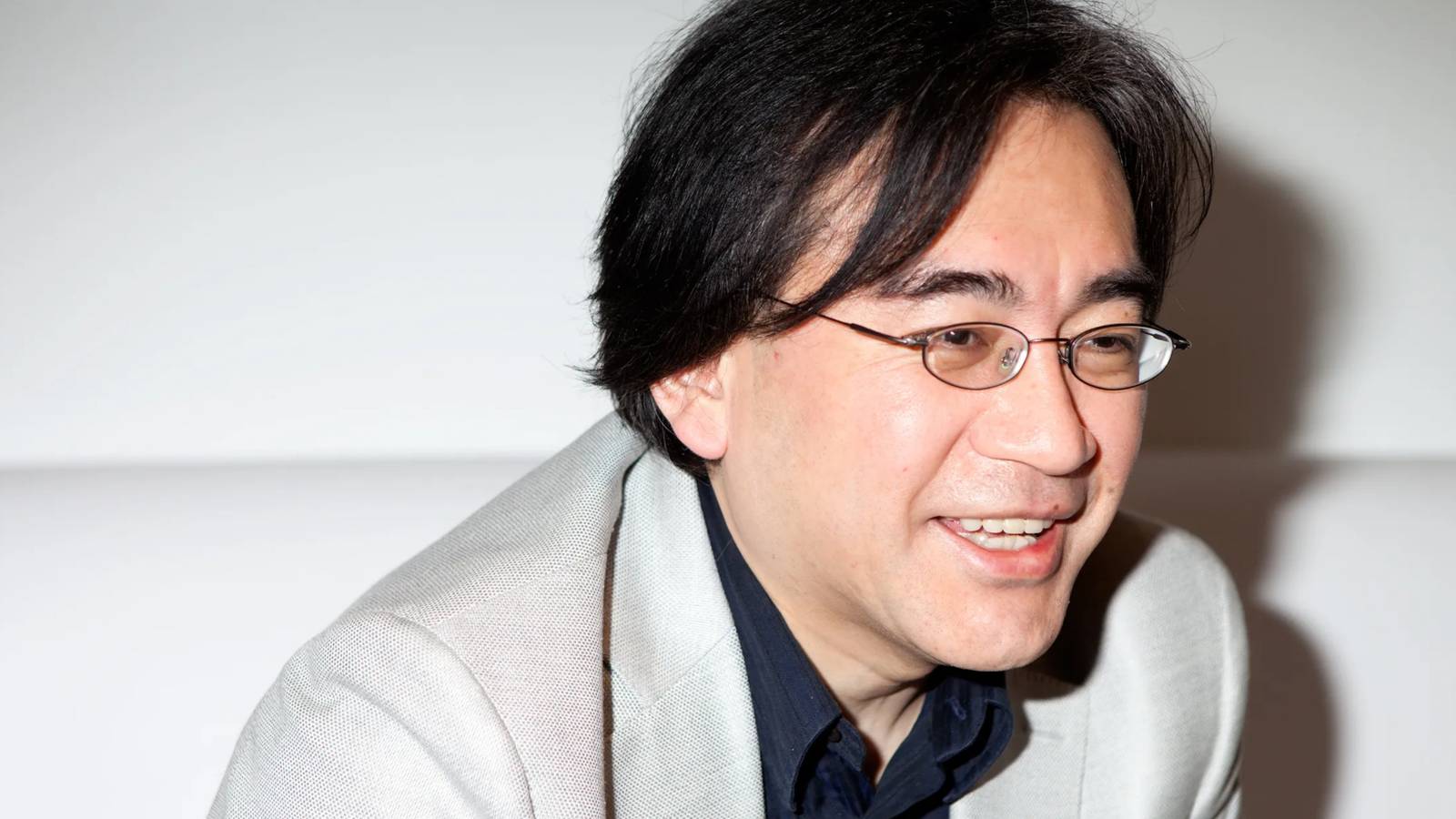
via Wired Published Sep 21, 2026, 10:52 AM EDT Nazmul Roosevelt is a journalist who has spent years covering the video games industry with a focus on clarity, accessibility, and genuine curiosity. He works to help players understand the people, craft, and decisions behind the entertainment they love. From game developers, to the technical artists, and communities shaping modern gaming; if you have a story worth sharing, he’s always open to hearing it... And if you happen to know anything about that secret Twin Peaks game in development, he’d especially like to talk. Sign in to your TheGamer account A newly resurfaced MTV News interview from nearly twenty years ago, highlighted this week by GamesRadar, shows how cautious Satoru Iwata was about Nintendo leaning too heavily on major franchises like Mario and Zelda. Even in the mid‑2000s, during early development of the Nintendo Wii, former president Satoru Iwata worried that poor design choices and a lack of innovation could turn Nintendo's core franchises into “cookie‑cutter” sequels rather than meaningful evolutions. His comments offer a clearer picture of how he viewed Nintendo’s responsibilities at a time when Sony and Microsoft were pushing raw power and graphical leaps, while Nintendo was charting a different path. Iwata’s Legacy Still Shapes Nintendo’s Biggest Modern Successes “I Got My Brain Age Down To About 27” In the 2006 interview, Iwata declared that, while it is Nintendo's responsibility to "meet the expectations of that fanbase", he didn't want to do so with simple sequels. Instead, Iwata said that Nintendo's way of doing that was to "find ways to innovate within that franchise" and continue pushing them forward, instead of having "cookie-cutter" follow-ups. Stephen Totilo, who continued to interview Iwata over the years, made sure to capture how Iwata viewed barriers between players and non‑players. He expressed that the Revolution could break those walls down, just as the Nintendo DS had done with Nintendogs and Brain Training. He talked about playing Brain Training daily until his “brain age” dropped to twenty‑seven. It was a small detail, but it showed how much he tested the work his teams were doing. Iwata, almost always dressed sharply from head to toe, also spoke calmly about the Wii’s purpose. “Our primary focus has been to create a system that can do things the other systems can’t,” he said through a translator. He hinted at features that would be revealed at E3, but he never wavered from the idea that Nintendo’s strength came from innovative ideas rather than horsepower. Even as Sony showcased PS3 demos at that same event, Nintendo kept its console behind glass. Iwata was content to let the symbolism of the upcoming hardware speak for itself. Looking at Nintendo today, it is clearly living out dreams that Iwata helped set in motion. Super Nintendo World has turned Shigeru Miyamoto into something close to a modern Disney Imagineer, shaping theme park spaces with the creativity he brought to game worlds. The Illumination Mario films have become box‑office giants, with the upcoming Zelda movie positioned to follow that momentum. And the Nintendo Switch, now one of the most successful consoles ever made, transformed the company’s reputation and financial trajectory. Systems Released March 3, 2017 ESRB E for Everyone: Fantasy Violence, Use of Alcohol, Mild Suggestive Themes Developer(s) Nintendo EPD Publisher(s) Nintendo Engine Havok Cross-Platform Play no Cross Save no Genre(s) Action, Adventure
Former Nintendo President Didn't Want Too Many Mario And Zelda Sequels
Full Article
Original Source
Read the full article at Thegamer →KhanList aggregates and links to publicly available news content. We do not host full articles from third-party sources. Always verify important information with original sources.