
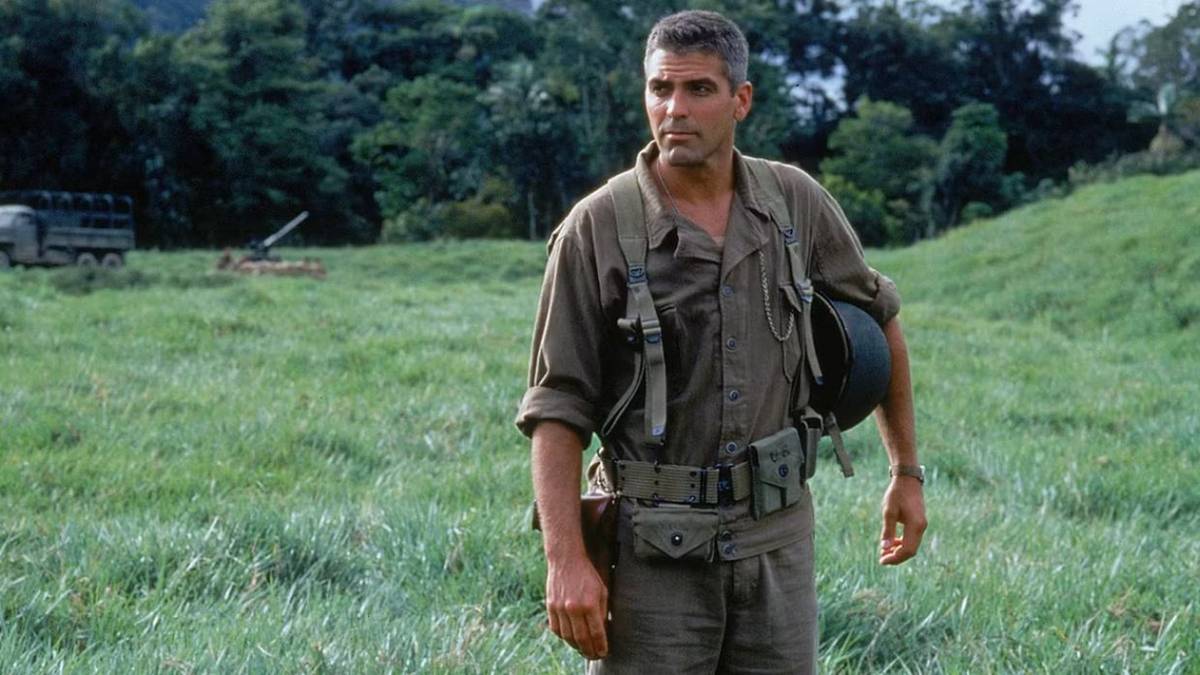
Published Oct 27, 2026, 5:10 AM EDT Thomas Butt is a senior writer. An avid film connoisseur, Thomas actively logs his film consumption on Letterboxd and vows to connect with many more cinephiles through the platform. He is immensely passionate about the work of Martin Scorsese, John Ford, and Albert Brooks. His work can be read on Collider and Taste of Cinema. He also writes for his own blog, The Empty Theater, on Substack. He is also a big fan of courtroom dramas and DVD commentary tracks. For Thomas, movie theaters are a second home. A native of Wakefield, MA, he is often found scrolling through the scheduled programming on Turner Classic Movies and making more room for his physical media collection. Thomas habitually increases his watchlist and jumps down a YouTube rabbit hole of archived interviews with directors and actors. He is inspired to write about film to uphold the medium's artistic value and to express his undying love for the art form. Thomas looks to cinema as an outlet to better understand the world, human emotions, and himself. The 1999 Academy Awards, which celebrated the films of 1998, were a hotly contested race between the eventual winner, Shakespeare in Love and Saving Private Ryan, the presumed frontrunner throughout the season. But strange as it sounds, calling Steven Spielberg's adventure epic the best film about or set during World War II is a shaky argument, since it isn't even the best WWII movie released in 1998. A poetic and more meditative look at war and its effect on its participants, The Thin Red Line combined the '90s cultural fascination towards the Greatest Generation with the uncompromising vision of Terrence Malick. Beautiful, haunting, and endlessly provoking, The Thin Red Line is a portrait of war that speaks directly to the soul. 'The Thin Red Line' Explores Humanity's Relationship to Nature Image by 20th Century Fox After directing two masterworks in the 1970s, Badlands and Days of Heaven, the famously reclusive and media-shy Terrence Malick disappeared from the public eye for 20 years until his glorious return to filmmaking with The Thin Red Line, his most ambitious and sprawling movie at that point. Released by 20th Century Studios and starring Sean Penn, Nick Nolte, Elias Koteas, Jim Caviezel, Woody Harrelson, John Travolta, and various other big names whose roles were significantly reduced (most notably Adrien Brody and George Clooney), the film adapted James Jones' novel and redefined what a war movie could look like. The Thin Red Line never shies away from the horror and gruesome violence of warfare, and yet it remains the most soulful portrait of what it's like to be on the battlefield and get sent to the proverbial slaughterhouse. Malick's signature wistful, soft-spoken, and multiple-perspective narration track returns to its most powerful degree here, with characters exploring their state in a world ravaged by bloodshed and their permanent loss of innocence. The director's fondness for the rugged outdoor world and natural beauties of the planet serve as a compelling juxtaposition to the total destruction that the war causes on the island of Guadalcanal and the neighboring villages, who take on a spiritual bond with the battle-scarred soldiers. The Thin Red Line is the closest thing to a transcendentalist exercise within the major studio system. Malick offers no clear resolutions, and his interrogation of war as a human activity is hypnotic; the film separates itself from any generic, jingoistic celebration of American exceptionalism. WWII movies like Saving Private Ryan, The Bridge on the River Kwai, and The Great Escape are inextricably tied to our cultural and historical understanding of the international conflict from the 1940s, and these movies helped shape the collective image of everything from D-Day to the Allied relationships. The Thin Red Line is largely uninterested in the political machinations of how these men landed on this island, and the act of war is portrayed as a representation of the aimlessness of the modern man in the proverbial wilderness. Even the generals and other high-ranking officers appear ambivalent towards a greater cause in supporting America's victory against the Axis Powers, as they are equally disillusioned and drawn to an ephemeral spirit that compels them to fight. François Truffaut, who once claimed that no film could be truly "anti-war" because the medium inherently glorifies its subjects, looms large over filmmakers aspiring to craft the next great decry against warfare in cinema. While many explicitly anti-war films have a case, The Thin Red Line argues against war not through shock and awe, but rather, through visual poetry. The picturesque images of the open fields, grassy hills, unsuspecting animals traversing the war-torn land, and the local tribes going about their day purposefully takes the viewer out of the action on the combat turf and forces them to reckon with the collateral damage. If nature can still exist and thrive as a source of beauty amid this terror, why do human beings have to resort to these nihilistic actions? Malick's sensitivity in his writing and flowing camera work remains unprecedented in any World War II film, and his cinematic language underlines the fragility of life and the innocence of the mind. Many audiences thought there was nothing left to say about WWII, until Terrence Malick came along to plunge into the psyche of the most notorious period of the 20th century. The Thin Red Line Release Date December 23, 1998 Runtime 171 minutes Cast Jim Caviezel Pvt. Robert Witt
Forget 'Saving Private Ryan,' This World War II Movie Is a Masterpiece From Start to Finish
Full Article
Original Source
Read the full article at Collider →KhanList aggregates and links to publicly available news content. We do not host full articles from third-party sources. Always verify important information with original sources.