
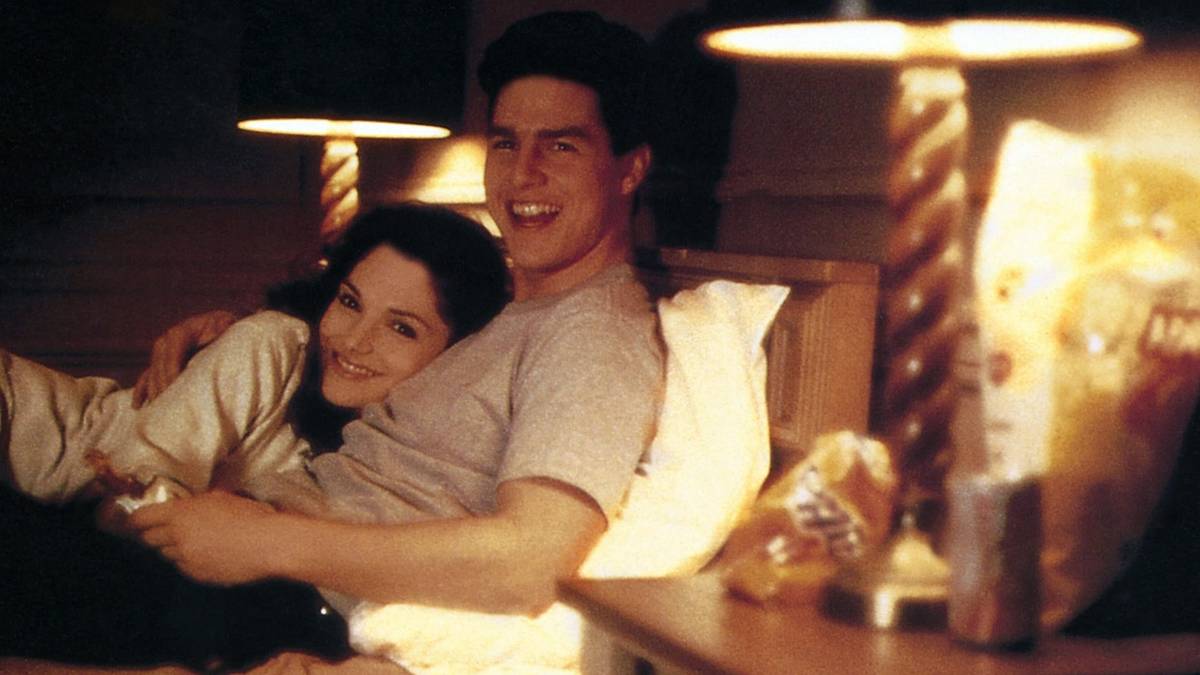
Published Sep 3, 2026, 12:07 AM EDT Anthony Crislip has always loved movies and television, and has been published in outlets such as SlashFilm and Ultimate Classic Rock. While working as a film programmer or judge at a film festival, he has striven to develop interest in underseen films. He is a particular fan of digging deep into forgotten corners of film history. Given how much Tom Cruise has been embracing his '80s hits with sequels like Top Gun: Maverick and the recently announced Days of Thunder follow-up with Anne Hathaway, one defining movie from earlier in his career has yet to receive that honor: 1986’s pool hustler classic The Color of Money. Much like the original Top Gun and Days of Thunder, The Color of Money captured Cruise at his most rebellious, angsty and purely charismatic. Unlike the other two films, which were directed by Tony Scott, Color of Money had to merely settle for being directed by Martin Scorsese, who was tasked with making an edgier kind of 1980s sports movie in an arena he knew well: smoky urban pool halls, where complex relationships between father and son figures could be hashed out. The movie itself was already something of a legacy sequel to 1961’s The Hustler, with Paul Newman reprising his role as “Fast Eddie” Felson as an older and theoretically wiser man. In 1986, there wasn’t much precedent for a sequel produced several decades removed from the original, giving audiences a new view on the old character. Much like how Top Gun: Maverick gave the Tom Cruise seal of approval to its cast of younger stars, Cruise was practically anointed by Classic Hollywood with his casting. As if to seriously distance himself from the “Brat Pack” band of ‘80s of upstarts, Cruise jumped into the role and got the chance to act alongside one of the greats, starring in a movie by another one of the greats. 'The Color of Money' Was a Legacy Sequel to 'The Hustler' Image via 20th Century Studios Far from the colorful pop-song montage style of ‘80s sports movies, the original Hustler was a quiet and sprawling character study of addiction and tortured masculinity, as exciting as it is tough to watch. It fit nicely into producer and director Robert Rossen’s collection of morally grey working-class tales, and became one of Paul Newman’s most beloved roles. While the Walter Tevis novel on which it was based had a sequel called The Color of Money, the general narrative wasn’t exactly what Newman had in mind for a new “Fast Eddie” Felson story. That led to him, director Martin Scorsese, and writer Richard Price radically restructuring the narrative, eventually crafting something wholly new under the same title. The biggest thing borrowed from the book was incorporating 9-ball, the pool variation that became thematically tied to the core of the movie. Legacy sequels weren’t exactly a thing in the ‘80s. Sequels tended to be seen as junky and cheap in general, with rare exceptions like The Empire Strikes Back or The Godfather Part II demonstrating that massive hits deserved to be revisited with sequels that could be even better than the original. By giving Eddie an electric sparring partner like Vince, The Color of Money immediately justified itself, turning its tale of an old man looking back at his life into a hard-hitting character study, just like The Hustler was. Not content to make the movie a Tom Cruise vehicle, Price and Scorsese turn the focus on his and Newman’s chemistry and toxic surrogate father-son relationship, with Eddie trying and failing to turn Vince into the young man he can no longer be. Tom Cruise Made 'The Color of Money' What It Was Much like Scorsese’s later films Goodfellas or The Departed, The Color of Money deals with the theme of a young man effectively being groomed by a charismatic older figure influencing him to throw his life away. Vince’s girlfriend Carmen (Mary Elizabeth Mastrantonio) fits into Eddie’s plans, too: Teaching them both the ways of hustling, with ‘80s soft rock by Phil Collins and Eric Clapton filling out the soundtrack, Eddie is also reliving his youth in a way that’s slightly pathetic. Although the movie doesn't plumb the depths of masculine psychology like its predecessor The Hustler (or Scorsese’s Raging Bull), it’s comfortable with complexity and three-dimensional characters. For a commercial success, it was a far cry from the mainstream ‘80s cinema. The best part of the movie is its ending. After two hours of hustling, cheating, and intimidation, the two men are ready to face off in an honest match. Who wins is less important than Eddie feeling blood pumping in his veins again. With the movie being such a sterling example of the legacy sequel, it definitely warrants a revisit. Vince and Carmen are both such interesting and striking characters, and it’s easy to wonder where they are now. While Newman’s passing means “Fast Eddie” could not be a part of the film, his absence could structure a sequel too. And most importantly, the door is open for a baton to be passed to the next Vince.
Forget 'Days of Thunder 2,' This Tom Cruise Classic Deserves a Legacy Sequel
Full Article
Original Source
Read the full article at Collider →KhanList aggregates and links to publicly available news content. We do not host full articles from third-party sources. Always verify important information with original sources.