
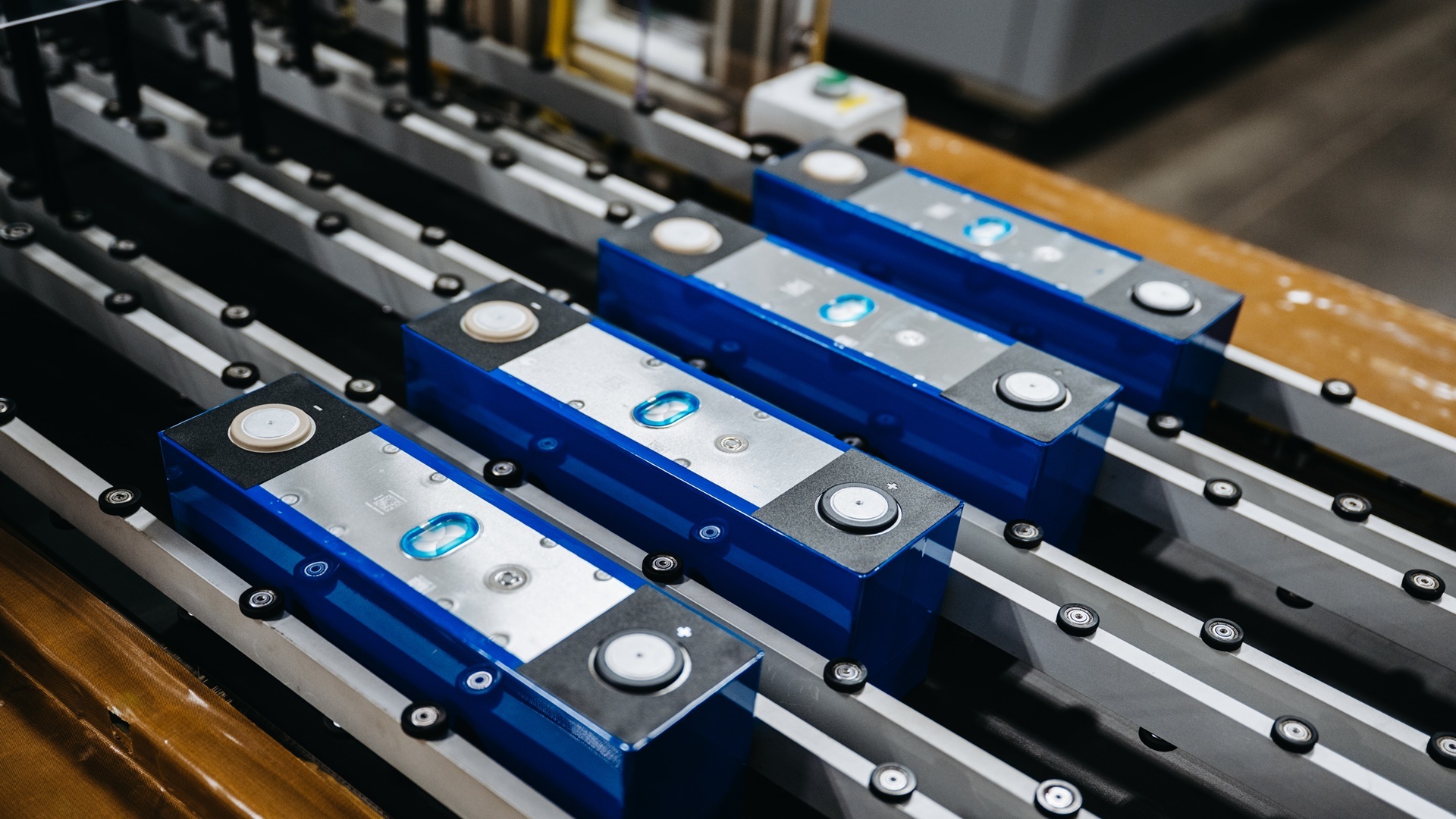
Ford has started shipping its first lithium iron phosphate (LFP) battery cells from a new Michigan factory, marking the automaker’s entry into battery manufacturing and a step toward producing more affordable electric vehicles in the US. The first prismatic cells have rolled off the production line at BlueOval Battery Park Michigan in Marshall. They are heading to Ford’s Louisville Assembly Plant in Kentucky, where they will power prototypes of the upcoming Fathom electric pickup. Ford says it will become the first company to deliver LFP batteries in the US for mainstream consumer automotive use. The milestone follows years of work to establish domestic production of a battery chemistry widely used by Chinese manufacturers. The Michigan facility is owned and operated by Ford, but its manufacturing technology is licensed from China’s Contemporary Amperex Technology Co. Limited (CATL), the world’s largest electric vehicle battery maker. Lower-cost batteries for EVs Ford selected LFP chemistry for its Universal Electric Vehicle Platform because it can help reduce battery costs without relying on nickel or cobalt. The chemistry also offers durability over years of charging and use, making it suitable for vehicles expected to support additional functions such as bidirectional home power. The automaker chose rectangular prismatic cells because they can fit directly into the vehicle’s chassis. Ford is also designing the battery pack as a structural component of the vehicle rather than simply housing it inside the frame. This approach is intended to reduce the number of parts, weight, and manufacturing complexity. Ford says the combination of cell design and vehicle architecture will help make its next generation of electric vehicles more affordable. The Fathom pickup will be the first vehicle built on the Universal Electric Vehicle Platform. Its prototypes will use the initial battery shipments from Michigan as engineers continue development. Production scales in Michigan BlueOval Battery Park Michigan’s assembly lines can produce 40 cells per minute, according to Ford, placing the facility among the fastest LFP prismatic battery production lines outside China. The company says the plant has additional capacity to increase output. Manufacturing speed is only part of the challenge. Ford is also using automated inspection systems, including image-recognition tools, to identify defects during production. The company aims to reduce defects to levels measured per billion cells rather than per million. The plant’s production expertise will also support Ford Energy’s planned battery energy storage business in Glendale, Kentucky. The company is preparing to manufacture battery storage systems for applications beyond electric vehicles. Ford plans to bring a separate battery pack facility in Marshall online in 2027, ahead of the Fathom’s launch. The first cells will help inform prototype development and the next stages of production preparation. The launch comes as automakers seek lower-cost battery technologies to make electric vehicles more competitive. LFP batteries have gained ground because they avoid expensive nickel and cobalt while offering long service life. For Ford, the Michigan operation also represents an effort to build domestic manufacturing expertise while relying on licensed technology from an established Chinese supplier. The first shipments mark a shift from factory construction and trial production to supplying cells for vehicle development.Get the latest in engineering, tech, space & science - delivered daily to your inbox.With over a decade-long career in journalism, Neetika Walter has worked with The Economic Times, ANI, and Hindustan Times, covering politics, business, technology, and the clean energy sector. Passionate about contemporary culture, books, poetry, and storytelling, she brings depth and insight to her writing. When she isn’t chasing stories, she’s likely lost in a book or enjoying the company of her dogs.
Ford ships first US-made lithium iron phosphate batteries for its new electric pickup
Full Article
Original Source
Read the full article at Interestingengineering →KhanList aggregates and links to publicly available news content. We do not host full articles from third-party sources. Always verify important information with original sources.