
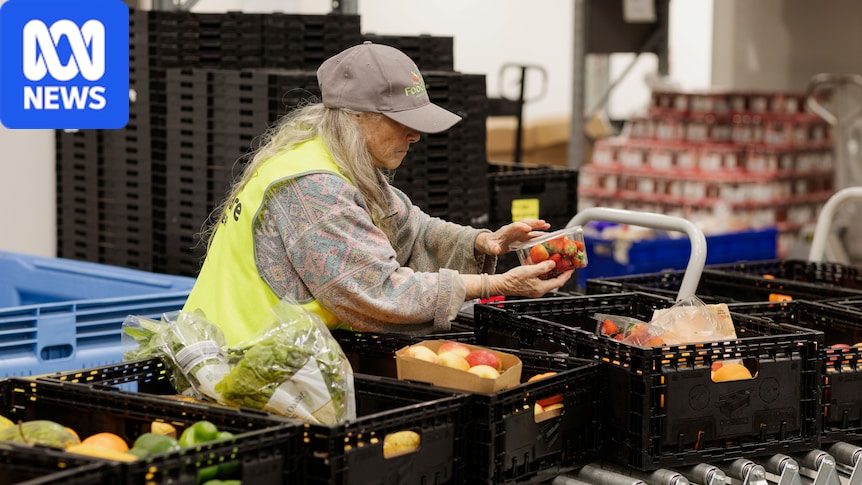
Susan Naveed never thought she would need food relief.But after leaving her job due to personal reasons a year ago, Ms Naveed is now a frequent customer of Whittington Neighbourhood House's Foodbank relief centre in Geelong."Sometimes if it wasn't for Foodshare I don't know if my son and I would have food," Ms Naveed said.But a looming food shortage may become a reality for Ms Naveed and thousands of others, with six regional food relief centres due to run out of state government funding in July.Little help for the helpersA Foodbank hunger report in October found 69 per cent of households experienced food insecurity for the first time in the past year.A volunteer packs food at the Bendigo Foodshare centre. (Supplied)In the 2025 state government budget, Regional Food Security Alliance received $6 million over two years for its relief centres in Wodonga, Bendigo, Geelong, Shepparton, Mildura and Warrnambool.Neither Labor nor the coalition have committed to extending the grant.Alliance chair Cathie Steele said $12 million was needed for the next four years to meet demand."Everyone could do with more but it's a tough time so we can't ask for more. We just need to keep our services going," Ms Steele said."We've got to ensure that there's ongoing support for people."The Victorian government did not respond when asked by the ABC about whether funding would be continued from July 2027.A Victorian Liberals spokesperson said it was up to Labor to explain why future funding had not been secured.One Nation at the weekend committed $14 million over four years for the alliance's six relief centres if it formed government.Alliance chief executive Jacqui Watt said she had met with election candidates and current sitting members, including Carers and Volunteers Minister Luba Grigorovitch.Ms Watt said the response from all had been non-committal.Michelle Murphy says produce supplies have dropped in the past year. (Supplied)Food supplies dwindleBendigo Foodshare chief executive Michelle Murphy said her centre had experienced a 21 per cent drop in fresh food supplies this year and was struggling to keep shelves stocked."We've seen less fresh produce coming through our warehouse as supermarkets continue to reduce their food waste and less produce becomes available through our statewide food relief partners," she said.Ritchies IGA supermarkets chief executive Fred Harrison said supermarkets were cutting food waste, which meant less was available to donate."Business being tough, one of the areas you try to minimise is the amount of waste and throw-outs you might have," he said.Mr Harrison said short shelf-life products such as milk presented challenges for distribution.Fred Harrison says supermarkets have cut food waste in the past year. (ABC News: Kyle Harley)"Dairy products or small goods products are used by three or four days and logistically it's hard to do much with it once you get down to those short use-by dates."Coles told the ABC it had contributed $151 million in total community support "to promote health outcomes and build resilience".Woolworths said it had provided more than 44 million meals nationally in the past year through Foodshare and community organisations."Our five local supermarkets in the Bendigo region donate excess food every week, rescuing an average of more than 800kg of food per week," the supermarket said.Ms Steele said the alliance was now focusing on getting supplies direct from food producers rather than supermarkets.Whittington Neighbourhood House in Geelong provides a vital service for people dealing with food insecurity. (ABC News: Harrison Tippet)Shoppers switch to cheaper alternativesAccording to Foodbank, more than half of food-insecure households have swapped to cheaper food alternatives, such as tinned food instead of fresh products, in the past year.Supermarkets have also seen a trend towards customers buying cheaper cuts of meat and moving to products such as minced meat to make meals go further, according to Mr Harrison."I just think people are thinking of how they can be thrifty but at the same time still give protein to the family," he said.Whittington Neighbourhood House offers a range of goods. (ABC News: Harrison Tippet)Ms Naveed said her main priority was making sure she got the nutrition and protein her son needed. But affording meat had been her biggest challenge."My biggest insecurity is where the protein is going to come from," she said.She said her eating and diet habits had changed to eating more vegetarian meals, and she had moved away from red meat because prices were too high."We will eat more tuna, and I've started eating more lentils and stuff because red meat is just ridiculous," Ms Naveed said."Life is still hard for everybody now and that little bit of relief to help is amazing."
Food relief takes election backseat but cost of living front of mind for voters
Full Article
Original Source
Read the full article at Abc →KhanList aggregates and links to publicly available news content. We do not host full articles from third-party sources. Always verify important information with original sources.