
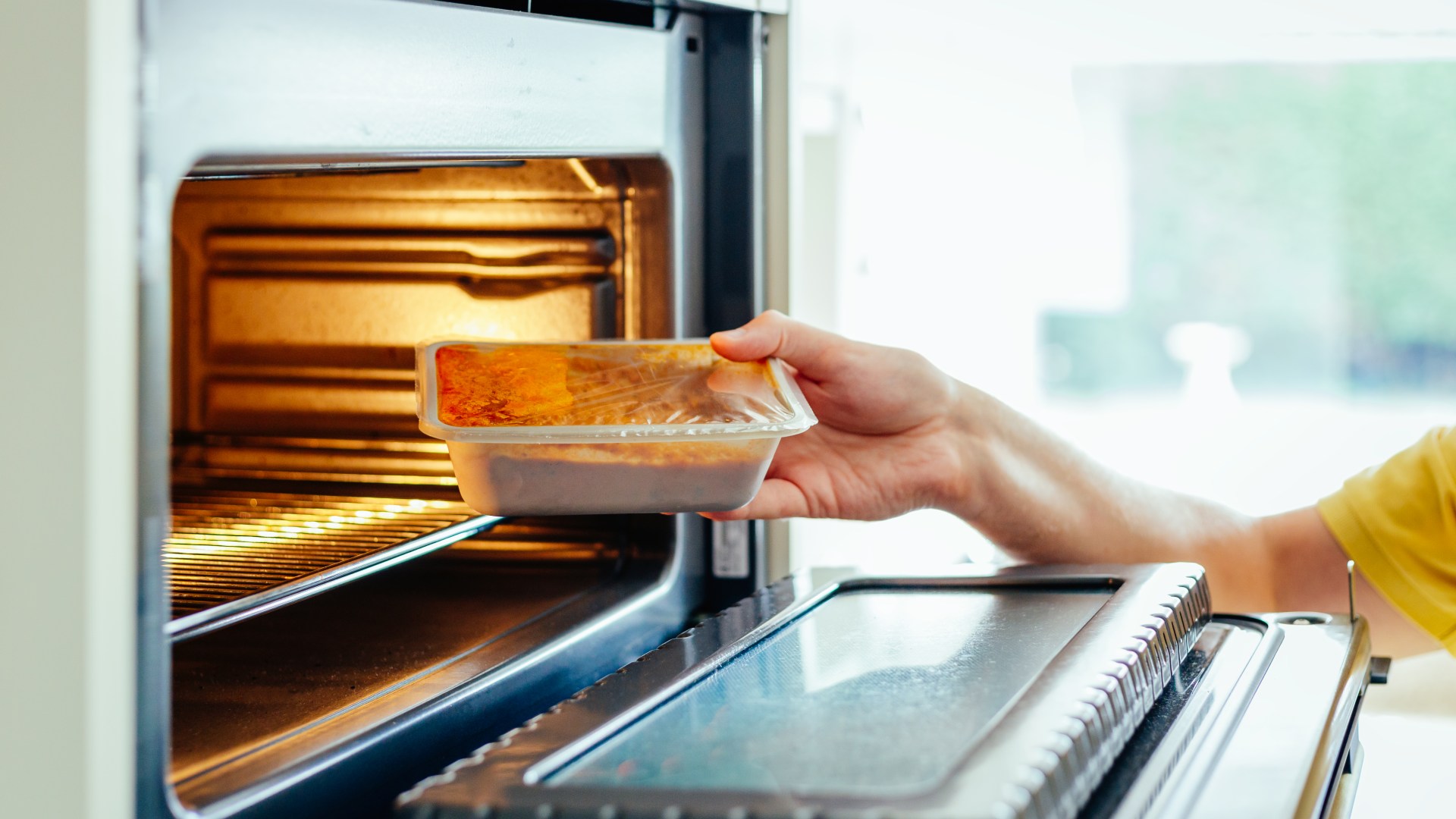
ONE Brit died and another became unwell following an outbreak of dangerous listeria linked to microwave ‘meals on wheels’. The two patients, both men, were treated at different hospitals and lived in the East Midlands and East of England, according to UK health and food watchdogs. Officials suspect that meals produced by the same company were behind the outbreak Credit: Getty Officials suspect that chilled meals produced by the same company in London were behind the outbreak of the diarrhoea-causing bug in March and April 2025. One patient reported consuming a prepacked cooked chicken meal and a sea-bass meal from the business between February 19 to 21, 2025. Sign up for the Health newsletter Thank you! The second patient, meanwhile, reported consuming teriyaki salmon, chilli and garlic chicken donburi, a lamb burger, potatoes and assorted vegetables, from the same business, that were shipped between February 12 and March 12, 2025. Now, in a report published by the UK Health Security Agency (UKHSA) this week, it said Havering Council visited the company in April 2025 and found pools of stagnant water, condensation and damaged flooring. This led to three hygiene improvement notices between July and August and the food hygiene rating dropped from four to one. According to the UKHSA, both patients, one of whom was aged between 50 and 59 and the other between 60 and 69, had underlying immunocompromising health conditions. The victim, had listeria monocytogenes reported as the cause of death. Listeriosis is a serious infection usually caused by eating food contaminated with the bacterium listeria monocytogenes. Most read in Health Following the council visit, the business temporarily closed in May 2025, undertook a deep clean and re-opened a few days later following environmental testing. Officials found that levels of listeria monocytogenes were below the regulatory threshold of 100 colony-forming units per gram (CFU/g). However, “listeriosis outcomes can be severe, particularly for individuals with underlying comorbidities,” they noted. Listeria matching the outbreak strain was found in washed garnish parsley, sampled in May 2025 and the business recalled all meals containing the garnish. Healthy adults and children who get listeriosis may experience mild symptoms or no symptoms at all, but for those at risk, it can lead to complications Credit: Getty The 9 key steps to avoiding listeria at home While listeria can contaminate a wide range of foods, it’s more common in ready-to-eat foods, according to the Foods Standards Agency (FSA). Examples include cold pre-cooked meats, such as chicken, pâté , cooked shellfish, soft mould-ripened cheeses, pre-prepared sandwiches and salads , and pre-cut fruits. The FSA also advises nine steps to follow to reduce the risk of listeriosis, especially at home. Chill your food below 5°C – this will stop or significantly slow the growth of bacteria including listeria. Refrigerate foods as soon as possible – refrigerate them after purchase and eat ready-to-eat foods shortly after removing them from the fridge, within four hours or within two hours on a very warm day and keep them out of direct sunlight. Always eat, cook or freeze foods by their use-by date – foods after their use-by date may look and smell fine, but they could be unsafe and make you ill. You cannot see, smell or taste bacteria that causes foodborne illness. Always follow the storage instructions, including those for opened foods, and ready to eat foods provided on the label – if there are no instructions, use opened foods within two days. Follow the cooking instructions on the packaging when applicable – this includes cooking and re-heating foods (including frozen vegetables) until they are steaming hot right through. Avoid cross-contamination – this might lead to bacteria passing from raw foods to foods that are ready to eat via things like reusable shopping bags, knives, dirty surfaces and chopping boards . Wash certain foods thoroughly before eating raw – this includes fruit, vegetables, and salad leaves. Make sure food preparation areas are clean – this prevents harmful bacteria from spreading. Wash your hands – do this regularly with soap and water before, during and after meal preparation . Another case of listeriosis dated September 2024 had also eaten food from the same business, the UKHSA found. But, it was not possible to determine if there was a match with the outbreak strain, health officials said. “This outbreak highlights the risk associated with home-delivered cook-chill meals that are marketed towards busy and health-conscious individuals but may nevertheless remain appealing to a wider consumer base, including less independent and more vulnerable individuals,” the UKHSA said. Food contaminated with listeria monocytogenes may not look or smell spoiled but can still cause serious and sometimes life-threatening infections. For most people, listeria poisoning can be similar to flu and include high temperature, muscle ache or pain, chills and feeling or being sick. Usually symptoms recede after a few days. However, listeriosis poses a particular threat to the elderly, pregnant women and babies. In rarer cases the infection can be more severe, causing life-threatening complications, such as meningitis. Many foods can harbour listeria, but it is usually found in unpasteurised milk, soft cheeses and ready-to-eat foods, such as prepacked sandwiches. Listeria is widespread in the environment and can be found in raw food and soil, and in the droppings of many mammals, birds, and fish. According to the latest available data, a total of 181 cases of listeriosis were reported in England and Wales in 2025. Some 28 deaths were recorded, of which 17 had listeriosis recorded as a cause of death on the death certificate. Comment now
Food poisoning death linked to microwave meals – 9 steps to avoid catching deadly listeria at home
Full Article
Original Source
Read the full article at Thesun →KhanList aggregates and links to publicly available news content. We do not host full articles from third-party sources. Always verify important information with original sources.