
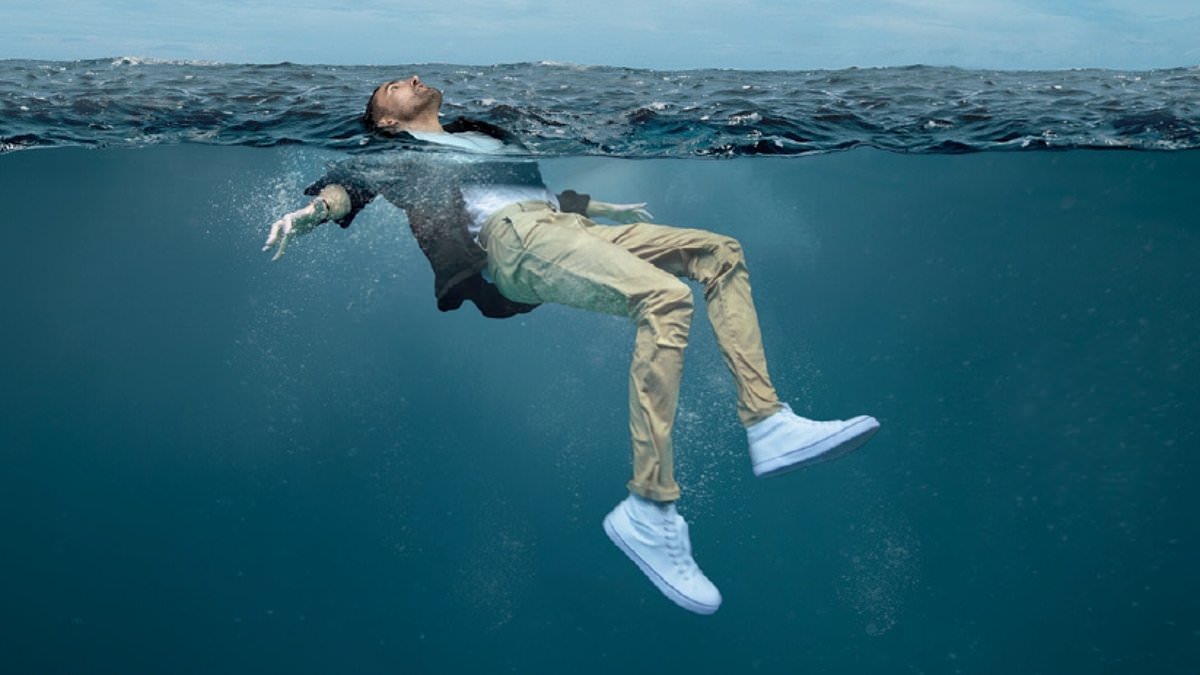
Britons have been urged to try their best to float if they ever get into trouble in water, after three family members died when they went for a swim in the sea.Palestinian refugee Hossam El-Khawas, his wife Zeina Alyan and their teenage daughter Sarah all drowned off Shoreham-by-Sea in West Sussex yesterday afternoon. Their youngest daughter, Saja, remains in hospital in critical condition.Mr El-Khawas was a Palestinian who had come to the UK from a refugee camp in Lebanon, and the family were camping on the harbour front in Shoreham. Witnesses claimed one of the children got tangled in a fishing net, sparking the tragedy.At least 43 deaths have been reported so far this summer from open-water incidents in the UK - following 202 water-related fatalities across the whole of last year.Water safety experts at the RNLI said there were two simple skills that everyone should know for an emergency, which will increase someone's chances of survival.The first is that anyone who gets into difficulty in the water should try to float; while the other is to call 999 or 112 and ask for the Coastguard if you see anyone in trouble.The key five points for the 'Float to Live' mantra to help you survive include tilting your head back with your ears submerged; and relax and try to breathe normally.You are also advised to attempt to move your hands to help you stay afloat; do not worry if your legs sink; and spread your arms and legs to improve stability.One of the main issues facing swimmers in Britain is cold water shock, which can be triggered in water temperatures lower than 15C and steal the air from the lungs. (From left) Palestinian refugee Hossam El-Khawas, his wife Zeina Alyan and their teenage daughter Sarah all drowned off Shoreham-by-Sea in West Sussex yesterday afternoon The three relatives died after getting into difficulty in the water at Shoreham-by-Sea yesterday The RNLI 'Float to Live' campaign explains what to do if facing trouble in the water Given that the average temperature of UK and Irish waters is 12C to 15C, this means the conditions in seas can cause cold water shock even during the summer.Cold water shock causes gasping, panic and loss of swimming ability – as well as a spike in heart rate and blood pressure, which can sometimes result in a heart attack.Rip currents are also a problem, given they can travel up to the same speed as an Olympic swimmer at 4.5mph, and pull even the strongest swimmers out to sea.A further hazard is unexpected waves off coastlines which can quickly knock someone off their feet and leave them disoriented, increasing the risk of drowning. 'Float to Live': How to stay alive in the water Tilt your head back with your ears submergedRelax and try to breathe normallyMove your hands to help you stay afloatDon't panic if your legs sink, because everyone floats differentlySpread your arms and legs to improve stability The National Water Safety Forum (NWSF) said there were 202 accidental water-related fatalities in the country in 2025.Despite a perception that accidental drowning is a mostly coastal problem, the organisation's data showed 57 per cent of the recorded deaths happened at inland locations such as rivers, lakes, reservoirs, canals, quarry lakes and lochs.Men accounted for 85 per cent of accidental fatalities, and men aged 60 to 69 were the most affected group. But 43 per cent of all accidental water-related fatalities were below the age of 40.When split by month, August had the most accidental water-related fatalities at 31, followed by 27 in both June and July.Of the total confirmed accidental fatalities, 150 were in England, 39 in Scotland, 12 in Wales and one in Northern Ireland.The NWSF urges people to stick to supervised locations with lifeguards present; think before entering the water; and go in slowly to reduce the risk of cold shock.It also has a safety campaign called 'Phone Float Throw' which advises someone witnessing a swimmer in difficulty to call 999 to get help; tell the person to stay calm and float on their back; and throw rescue equipment to help them float until the emergency services arrive.Between 2019 and 2023, there were 2,306 water-related deaths in England, with 42 per cent of those being accidental. Shelina Rahman, of Ilford, east London, died when she got into difficulty in West Mersea in July Sameeha Rahman (left, with father Dr Mansur Rahman) also died in the West Mersea incidentNWSF data on water deaths in 2026 will not be published until May next year.Dozens of people have died after getting into trouble in open water amid the exceptionally hot and dry weather this summer.The Royal Life Saving Society previously issued a plea for everyone to 'stop and think' before getting in the water in response to the deaths, many of whom were children.Last month, a seven-year-old boy died after an incident at a beach which also left his teenage cousin and her mother dead.Musa Ahmed, his cousin Sameeha Rahman, 15, and her mother Shelina Rahman, 41, were in the water with three other family members when they got into difficulty in West Mersea, Essex, on July 22.Sameeha and Shelina Rahman, from the Ilford area of east London, died at the scene, and Musa was flown to hospital but died a week later.Other incidents in recent weeks have included a 14-year-old boy drowning after going into the water at Millwall Outer Dock on the Isle of Dogs in east London on August 3.The following day, a 13-year-old boy died after getting into difficulty in the sea off the East Yorkshire coast at Hornsea.Today, Andy Burnham sent his sympathies to the family of the three people who died in Shoreham.Asked during a visit to the North East if the Government needed to do more to tackle water safety, the Prime Minister replied: 'Always. It's so sad to hear what happened yesterday, and obviously we think there's a young girl still in the hospital fighting for her life, and we send our best wishes and love to wider friends and family. But a real tragedy, a real terrible family tragedy.'Always, there's more that can be done. Obviously, we will look in detail at what happened.'The thing I can say today, and there is still, I think, a further heatwave to come in this summer period, it is just to remind people about the dangers of open water swimming. The coldness, even in when it feels hot outside, it can shock people, and that can cause the difficulties. So people just need to remember that at all times.'I do need to praise the emergency services, who I know were on scene very quickly yesterday. They've had a busy summer, but they were there, and we thank them. As I say, just huge sympathy to the friends and the family.'A national strategy to address the 'public health disaster' of drowning was launched in England on July 23. One expert told the announcement in London that drowning claims 'more lives than fire, flooding, or knife crime'.
Float to live: The lifesaving advice to stop yourself drowning that everyone should know - as death toll in British waters this summer rises to 43 following Shoreham tragedy
Full Article
Original Source
Read the full article at Dailymail →KhanList aggregates and links to publicly available news content. We do not host full articles from third-party sources. Always verify important information with original sources.