
Andy Burnham has set the Brexit hares racing again with a series of statements on closer ties with the EU. On Monday he raised eyebrows by saying he’d like to see the UK rejoin in his lifetime – caveating that he would not run ahead of the voters on the issue and it wouldn’t be in this Parliament. This followed an interview in the Sunday Times in which he opened the door to a future deal with Europe reintroducing freedom of movement, saying that he wanted to have an “honest discussion about those things”. Shorts And at Labour’s annual conference in Liverpool last month, the Prime Minister said that Brexit had done “more harm than good” and that later this year he wanted to set out “what I believe the different options are for Britain’s long-term relationship with our European partners”. While there is still considerable uncertainty about what type of relationship Burnham will eventually plump for, here are the main options which are likely to be on the table. Reverse Brexit fully, rejoin the EU The most radical option – though potentially the ‘cleanest’ one in technical terms – would be to fully reverse Brexit and rejoin the EU. Burnham has been careful not to rule this maximalist position out. On Monday, he told ITV’s Good Morning Britain that he would like to see Britain rejoin in his lifetime. “In my lifetime I would like to see that happen but I am not going to move ahead of the public, I am not going to dictate,” he said. Rejoining would require a standard application under Article 49, and then assuming EU members unanimously backed candidate status, negotiation over membership terms. Major sticking points would be whether the UK would have to adopt the euro and join the Schengen area, which allows for passport-free travel. In theory, Britain would have to sign up to both, but it is possible Brussels could give us back our former opt-outs. Burnham told The Sunday Times: “I can’t see myself ever recommending anything that would involve joining the euro or Schengen.” The big advantage of rejoining is that Britain would return to being an EU ‘rule-maker’, helping to shape the rules governing the bloc. Political risk: There is no doubt that public opinion has turned against the decision to leave the EU – the latest BMG polling for The i Paper put rejoin on 45 per cent to 38 per cent for stay out. But this was the narrowest lead for several months. To rejoin would require a referendum and the two camps would fire up their campaign machines again. It could either put the issue to bed for a generation, or reopen old wounds. Rejoin customs union Another option would be to rejoin the EU’s customs union. The customs union involves a single tariff area for all goods imported from outside the EU, allowing goods to move freely between member states, with all members applying a common external tariff to imports coming into the bloc. The main advantage to the UK from rejoining the customs union is that the external tariff removes the need for goods traded within the EU to prove their origin. This would cut much of the bureaucracy created by Brexit, with UK exporters no longer having to meet rules of origin to qualify for tariff-free trade with the EU, cutting admin costs. However, the UK would have to give up its post-Brexit freedom to strike its own trade agreements. Rejoining the customs union would also not remove all post-Brexit border checks and red tape, because the UK would still be outside the single market. Political risk: Carries the danger that it will please neither side, while doing little to improve the complications of trade. Rejoin the single market Rejoining the single market would reduce trade friction and improve the UK’s access to the EU market. However, it would come with major trade-offs. Firstly, the UK would become a “rule-taker”: we would have to adopt the vast bulk of EU legislation but would not have the formal power to steer the creation of those laws ourselves. We would also almost certainly have to reintroduce freedom of movement, meaning Europeans would once again be able to travel freely to live and work in the UK (and vice versa). In his interview with The Sunday Times, Burnham said that freedom of movement had “very significant challenges associated with it”. However, he suggested “it was a type of immigration that perhaps wasn’t as difficult [as now]”, with some evidence suggesting post-Brexit migrants are more likely to bring family dependants and wish to settle permanently in the UK, compared to those Europeans who came before the referendum. Political risk: Freedom of movement carries not just a danger in the form of attacks from Reform UK and the Conservatives – there are those in Burnham’s cabinet who are believed to be opposed to it. This option could risk ministerial resignations, and a divided Labour Party. Swiss-style model A variant of the aforemention option would be for the UK to agree a Swiss-style deal with the EU. Switzerland is not a member of the EU but has frictionless access to the single market via a web of bilateral agreements with Brussels. However, it still has to accept freedom of movement and make a contribution to the EU’s coffers, so it is not clear how superior this would be to the single market access which Norway, Iceland and Liechtenstein have as European Free Trade Association (EFTA) states. Political risks: It could prove difficult to persuade voters that Britain should pay into the EU and accept freedom of movement without having a say in EU policy. Bespoke UK-EU deal Burnham could try to secure a tailor-made agreement with the EU rather than opting for other ‘off the shelf’ models. In some ways, this is what the UK is already pursuing. As part of the ongoing Brexit “reset” process which he inherited from his predecessor Sir Keir Starmer, Burnham is currently negotiating a deal with Brussels covering food and drink, carbon emissions trading and under-30s migration. The deal is expected to be unveiled at a UK-EU summit in Brussels on 20 November. Burnham could continue the process of trying to move the UK closer to the EU on an incremental basis by making specific agreements with the bloc. Potentially, this could at some stage be badged up as the UK having some sort of EU “associate membership”. Brussels is already discussing the idea of associate membership with Canada, but it is not yet really clear what this would entail. In any case, senior European diplomats think that Britain would likely have a closer relationship to the EU than Canada because of our geographical location and history as a former member. Political risk: The least riskiest option. Starmer has laid the groundwork, so the public is well prepared. Easier trade and a youth mobility scheme are not unpopular. A deal by deal process would allow public opinion to be weighed as negotiations move along. Would there need to be a second referendum? Politically, it is difficult to imagine the UK rejoining the EU without a second referendum. If Burnham opted for a less radical option – such as membership of the customs union – then a referendum might not be necessary. Instead, Burnham could put a pledge to rejoin the customs union in Labour’s next manifesto. If he won the next general election, he would have the mandate to make it happen. Rejoining the single market would be more complex, because it would likely involve freedom of movement. On Monday, Burnham said that he would not reintroduce freedom of movement without a referendum. The Prime Minister told broadcasters he would “never move ahead of the British public when it comes to Brexit”. Later on Monday, a Downing Street spokesperson tried to play down the Prime Minister’s remarks, saying that no decisions had yet been made about the new relationship or the process for getting the public’s backing for it. The spokesperson said: “The Prime Minister isn’t proposing a return to freedom of movement or any option. He is saying that it’s time for us to discuss what kind of long-term relationship with Europe is best for Britain, and he is referring to the types of areas that that agreement and long-term future could cover. But he is crucially not leaning either way, and that will be for the British public to decide.” For now at least, the Government’s official position is that it will stick to the red lines in Labour 2024 manifesto for the whole of this parliament: no return to the single market, the customs union, or freedom of movement.
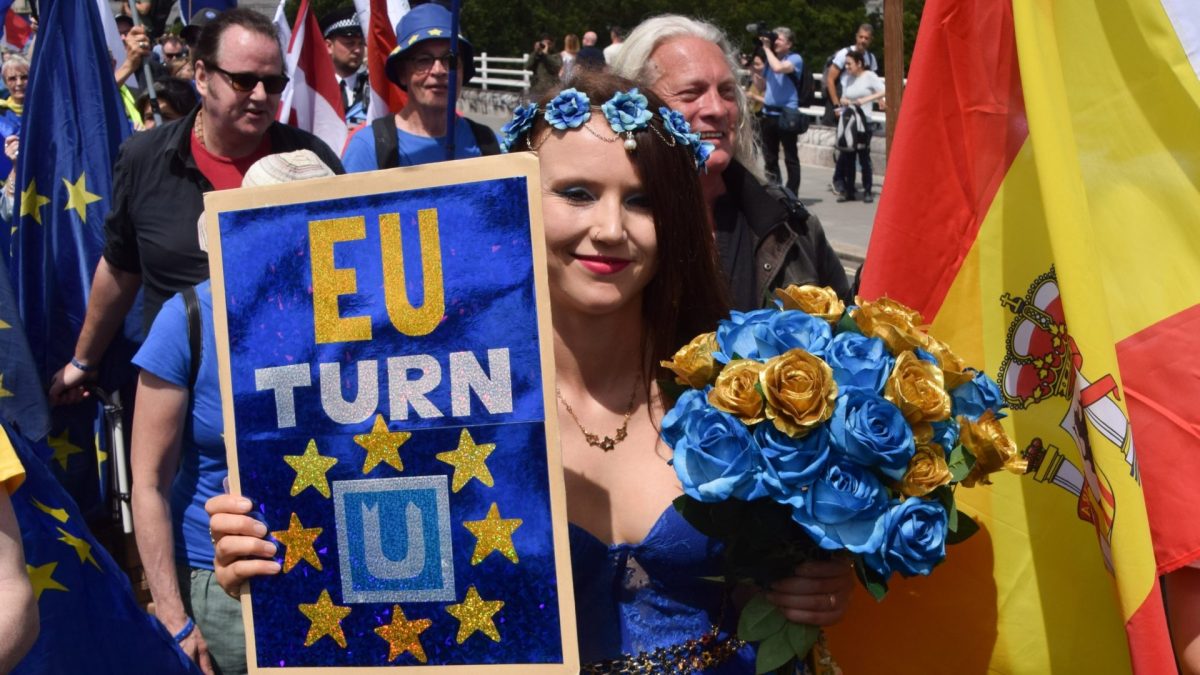
Five options for reversing Brexit and the political risk
Full Article
Original Source
Read the full article at Inews →KhanList aggregates and links to publicly available news content. We do not host full articles from third-party sources. Always verify important information with original sources.