
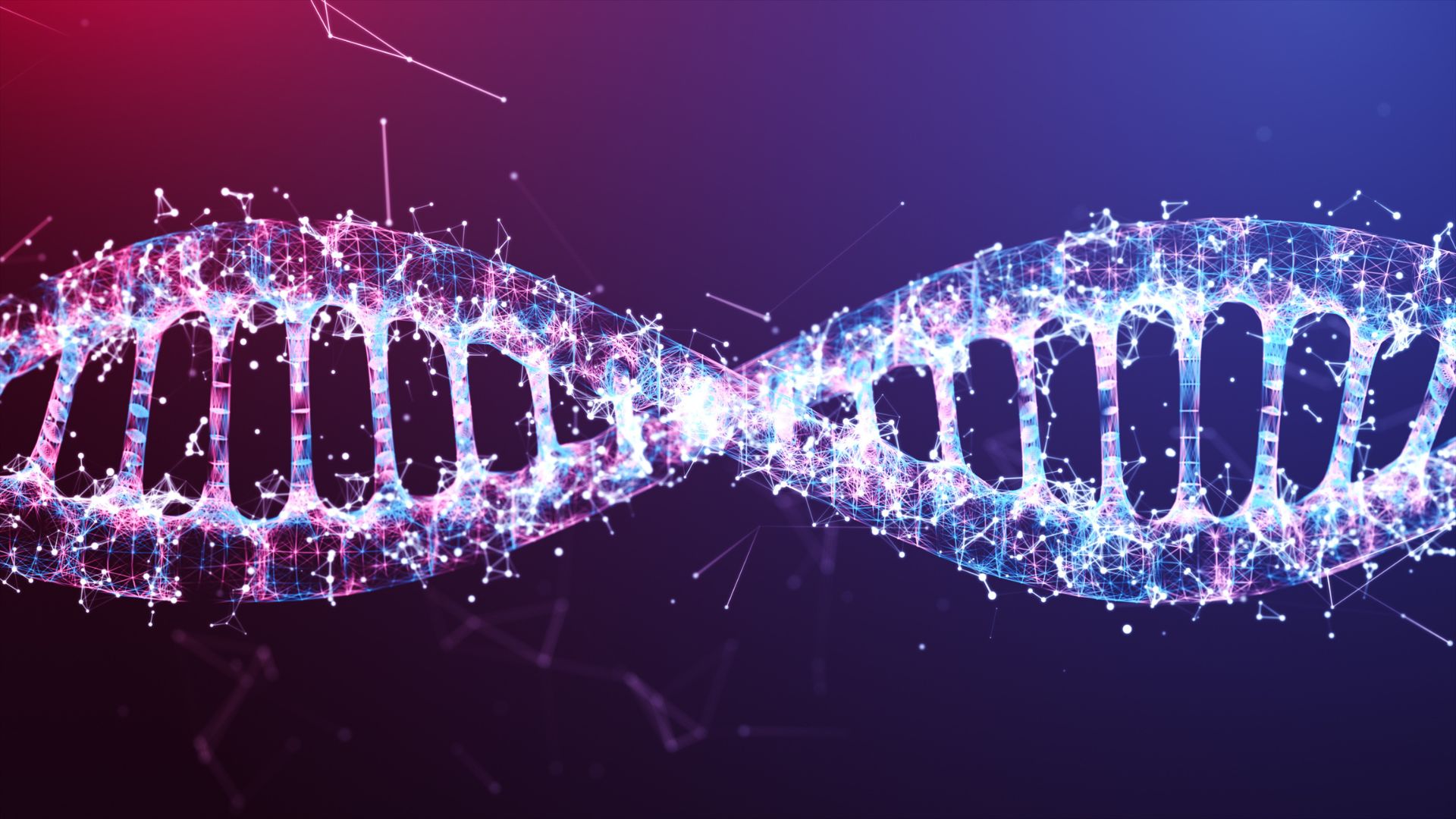
Researchers in Ireland say they created one of the fastest and most complex “DNA computers” to date. Designed by Maynooth University (MU), the milestone shows that microscopic strands of genetic code can execute math once reserved for electronic microchips. Built from DNA strands interacting in a salt-water droplet, the system uses a long DNA scaffold and heat to kick-start calculations without needing continuous electricity. The “first-of-its-kind” molecular computer can execute simple multiplication, division, and addition. Computing without electricity DNA-based infrastructure for storage and computation is a way forward toward biological computing. Rather than writing bits to magnetic surfaces or running logic through silicon transistors, these architectures convert digital information into specific arrangements of the four core genetic bases: Adenine, Cytosine, Guanine, and Thymine. Various institutes and organizations have been working on DNA-based systems. For instance, a Caltech team developed a DNA-based artificial neural network that can recognize handwritten numbers (0-9) using molecular interactions in a solution, without microprocessors. Now, the research and development in this realm is further gaining momentum, especially at times when the energy footprint of modern electronics is rapidly escalating. In Ireland alone, standard data centers swallow a staggering 23 percent of the country’s entire electricity supply. “We’ve been blinkered by only seeing one type of computer, but there are other examples around us, including our brain,” said Professor Damien Woods of Maynooth University’s Hamilton Institute. To break the silicon issue, researchers traded circuit boards for biological building blocks. The process itself is surprisingly simple and low-tech. Scientists mix short pieces of DNA alongside a longer DNA scaffold inside a small droplet of salt water. A brief heat pulse kick-starts the biological interaction. As the liquid slowly cools down, millions of microscopic strands drift together, react, and self-assemble into intricate molecular patterns that reveal the final answer. Without relying on a single wire or continuous power supply, the final self-assembled molecular structure serves as the computed answer. “A small droplet of liquid contains billions, and sometimes trillions, of DNA strands. These strands interact with one another to produce a result,” said Dr. Abeer Eshra, Assistant Professor and computer scientist at MU’s Hamilton Institute. Solves basic and complex calculations The droplet is surprisingly capable. In test runs, the team executed ten distinct programs. The molecular system solved basic math like 10 + 3 in just 30 seconds, while complex 100-bit additions involving numbers up to 34 million completed in roughly 14 hours. Remarkably, the setup is far from single-use, as the team ran up to 25 consecutive calculations in the same droplet without any performance loss. “One key innovation is that the system naturally finds that answer without needing continuous energy inputs,“ Woods added. Though fluid processing won’t displace high-speed smartphones today, absolute speed was never the point. “The reaction happens fast in the test tube, but not as fast as silicon, nor is it intended to be. But compared to other DNA computers, ours is the fastest,” said Dr Eshra. Backed by a €4 million European Innovation Council grant known as the DISCO project, the MU team aims to unlock applications electronic chips could never handle.DNA offers unparalleled storage density alongside biocompatibility. Future iterations could safeguard dense digital archives for millennia, or even drift inside human bloodstreams to identify diseases cell by cell.Get the latest in engineering, tech, space & science - delivered daily to your inbox.Mrigakshi is a science journalist who enjoys writing about space exploration, biology, and technological innovations. Her work has been featured in well-known publications including Nature India, Supercluster, The Weather Channel and Astronomy magazine. If you have pitches in mind, please do not hesitate to email her.
First-of-its-kind DNA computer solves complex math without wires or continuous power
Full Article
Original Source
Read the full article at Interestingengineering →KhanList aggregates and links to publicly available news content. We do not host full articles from third-party sources. Always verify important information with original sources.