
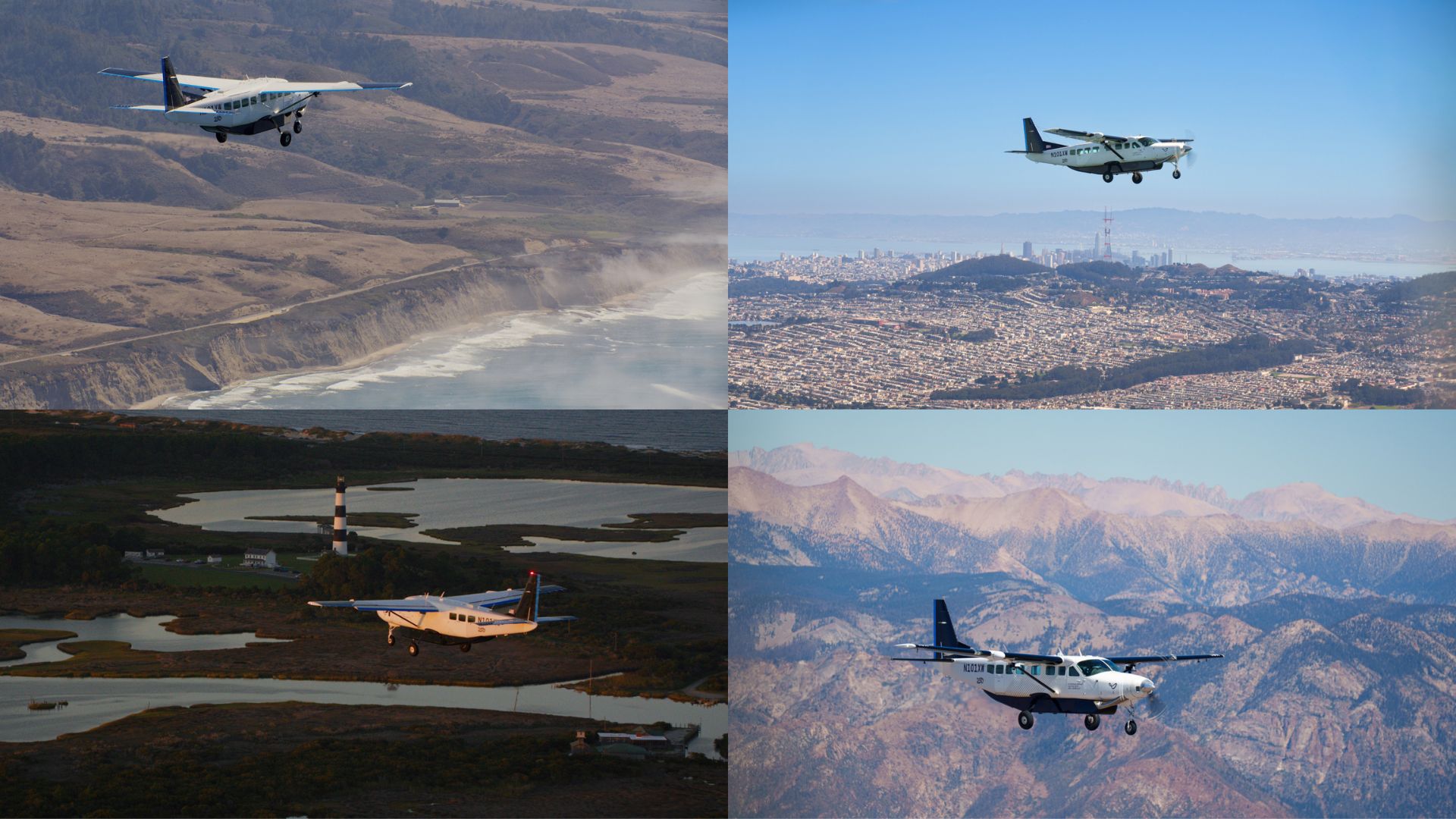
Joby Aviation has completed a 3,199-mile autonomous flight across the United States, marking a major test of its aircraft control technology. The company used a modified Cessna Caravan for the journey, which ended near North Carolina’s Outer Banks. An onboard safety pilot remained present throughout the flight but never operated the aircraft’s controls. Joby instead managed the aircraft remotely, with supervision coming from facilities in California and South Carolina. The aircraft handled critical portions of the mission autonomously, including taxiing, takeoff, navigation and landing. Remote operators supervised the flight from distances reaching 2,323 miles. The eastbound trip formed part of Joby’s 2026 Electric Skies tour. The route also gave engineers opportunities to test the system across different airspace and operating conditions. Autonomy faces real airspace One of the more significant tests came at Phoenix Deer Valley Airport in Arizona. The busy general aviation airport provided a tougher environment than a controlled demonstration area. Joby also said its aircraft encountered severe weather and thunderstorms during the journey. Its autonomous system rerouted the aircraft without needing previous familiarity with the destination airport. That capability matters because autonomous aircraft must handle changing conditions beyond carefully scripted test flights. Airports, weather patterns, and surrounding traffic can all change during a mission. The aircraft also stopped at Fort Worth Alliance Airport in Texas. There, Joby demonstrated how autonomous aircraft could eventually support freight operations at a major logistics hub. At Shaw Air Force Base in South Carolina, the aircraft took part in a demonstration focused on military operations. The company sees potential applications across commercial cargo, emergency response, and defense logistics. Autonomy reaches aviation’s birthplace After reaching North Carolina, the aircraft flew a low pass near Kitty Hawk’s First Flight Monument. The location carries particular significance for aviation history. Orville and Wilbur Wright conducted their first powered flight there in 1903. Joby’s aircraft then landed at Dare County Regional Airport. The North Carolina operation also connected autonomy with regional healthcare logistics. Flights supported NCDOT’s eLIFT-NC initiative, which examines statewide transportation of medical supplies. Joby said autonomous aircraft could eventually serve communities that lack efficient access to larger transportation networks. Smaller airports could provide useful launch points for point-to-point cargo missions. 800 hours behind system Joby’s autonomy program has accumulated more than 400 flights and 800 automated flight hours. Those tests have covered both controlled and uncontrolled airspace. The company acquired its current autonomy division from Xwing in 2024. Joby has since tested the technology during several U.S. military exercises. During an Air Force Agile Flag exercise, the system delivered replacement parts 24 hours faster than conventional logistics, according to Joby. Another exercise demonstrated remote operation between Hawaii and Guam, nearly 4,000 miles apart. JoeBen Bevirt, Joby’s founder and CEO, said autonomy could expand aviation access while reducing risks to pilots. The aircraft now faces another test of the westbound return trip. Joby plans stops in Raleigh, the Washington area, Louisville, Wichita, Oklahoma City, Salt Lake City, and Portland.Get the latest in engineering, tech, space & science - delivered daily to your inbox.Aamir is a seasoned tech journalist with experience at Exhibit Magazine, Republic World, and PR Newswire. With a deep love for all things tech and science, he has spent years decoding the latest innovations and exploring how they shape industries, lifestyles, and the future of humanity.
First-ever fully autonomous flight across US covers 3,199 miles without pilot input
Full Article
Original Source
Read the full article at Interestingengineering →KhanList aggregates and links to publicly available news content. We do not host full articles from third-party sources. Always verify important information with original sources.